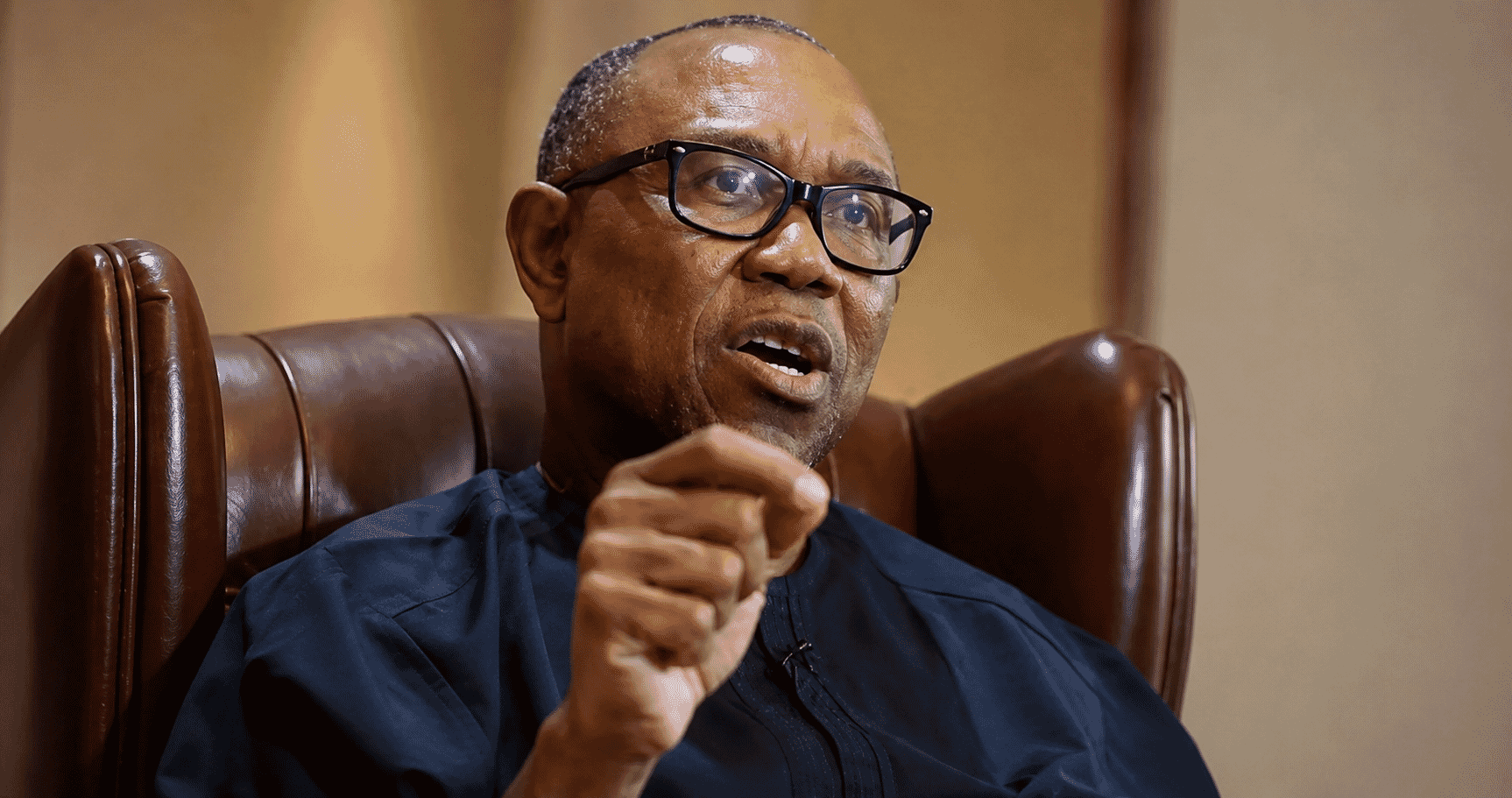
Obi's day began before dawn in Lagos. He traveled to Emekuku to inspect a computer laboratory and other projects he has funded at the School of Nursing Sciences, a facility he says he has supported for years.
From there he attended the 80th birthday celebration of the Emeritus Archbishop of Owerri, Most Rev. Dr Anthony Obinna, before heading to Madonna University for a separate engagement. It was at Madonna University, he said, that the Lokoja court news reached him through Kwankwaso.
What The Lokoja Court Actually Decided
The Federal High Court in Lokoja set aside its own December 10, 2025 judgment, which had directed INEC to register NDC as a political party. Justice Isah Dashen ruled that the earlier decision was constitutionally defective because not all interested parties, specifically the Peace Movement Party, were heard before it was delivered.
The court ordered a return to the pre December 2025 status quo and directed that PMP be joined before a fresh hearing decides the substantive matter. The case itself remains open. It has not been concluded, and NDC's registration is paused, not permanently revoked.
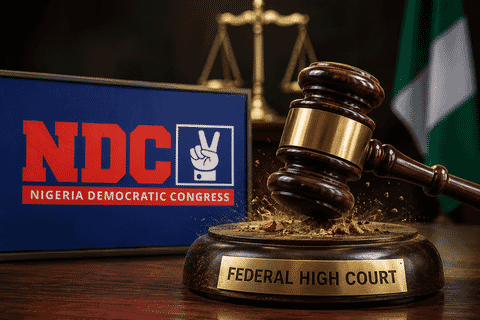 Federal High Court Blocks NDC Bid to Secure Political Party Status by Overturning Registration Order
Obi's Reaction In His Own Words
Obi described the outcome bluntly. "This judgment represents another setback for our democracy and the institutions upon which our future depends," he said.
He argued that the damage extends beyond his own party's interests. He said it is regrettable that some who claim to champion democracy now appear determined to weaken the institutions that sustain it, warning that this undermines public confidence and endangers the future of millions of Nigerians.
Obi pointed to a wider institutional drift. He said the legislature and judiciary are increasingly being drawn into a pattern of decline, insisting that democracy cannot thrive where institutions lose their independence and credibility.
He struck a note of defiance too. Those who seek to weaken Nigeria's democratic foundations, he said, will not ultimately prevail.
Why He Says This Is Not About Him
Obi was explicit that his complaint is not about his own political fortunes. He said his concern is not about who becomes president, but that Nigeria works.
He framed this as consistent with how he responded weeks earlier when a separate Federal High Court ruling ordered the deregistration of the African Democratic Congress and four other parties. He said he condemned that decision without hesitation and is doing the same now because his position has always been guided by principle.
He called for Nigerian politics to move beyond the contest for power. He said the country's politics must instead build a united nation founded on justice, strong institutions, the rule of law, and equal opportunity, calling that the Nigeria the present generation owes the next.
The Call To Action Beyond Party Lines
Obi closed his statement with an appeal that reached past his own coalition. He urged all well meaning Nigerians to rise above partisan interests and defend the country's democracy, arguing that the survival of its institutions is inseparable from the survival of the nation itself.
Obi closed his statement with an appeal that reached past his own coalition. He urged all well meaning Nigerians to rise above partisan interests and defend the country's democracy, arguing that the survival of its institutions is inseparable from the survival of the nation itself.
The Pattern Behind The Outrage
Obi's reaction did not emerge in isolation. Two Federal High Courts, one in Abuja and now one in Lokoja, have issued rulings affecting six opposition aligned or newly formed parties within the same month, roughly a year ahead of the 2027 general election.
The Lokoja case turned on a narrow procedural defect: a logo dispute raised by the Peace Movement Party, which said NDC's registration used a mark PMP had already submitted to INEC. That single objection was enough to unwind a registration that had stood for over six months, a reminder of how exposed new Nigerian parties remain to fair hearing challenges long after INEC approval.
For Obi, the stakes are now timing as much as law. Every month his legal team spends contesting registration status is a month not spent building coalition structures across Nigeria's 36 states before 2027.
Read More
![NCC rate review]() NCC Begins Interconnection Rate Review That Could Push Up Call and SMS Tariffs
NCC Begins Interconnection Rate Review That Could Push Up Call and SMS Tariffs-
![State Police Bill]() State Police Bill Clears Senate, Handing Nigerian Governors New Powers Amid Funding Fears
State Police Bill Clears Senate, Handing Nigerian Governors New Powers Amid Funding Fears -
![Dangote Refinery]() SEC Bans Dangote Refinery IPO Marketing, Orders Refunds Within 24 Hours
SEC Bans Dangote Refinery IPO Marketing, Orders Refunds Within 24 Hours ![Taiwo Oyedele]() Tax Acts 2025: Federal Government Releases Final Transition Guidelines for Nigeria's New Tax Regime
Tax Acts 2025: Federal Government Releases Final Transition Guidelines for Nigeria's New Tax Regime
 NCC Begins Interconnection Rate Review That Could Push Up Call and SMS Tariffs
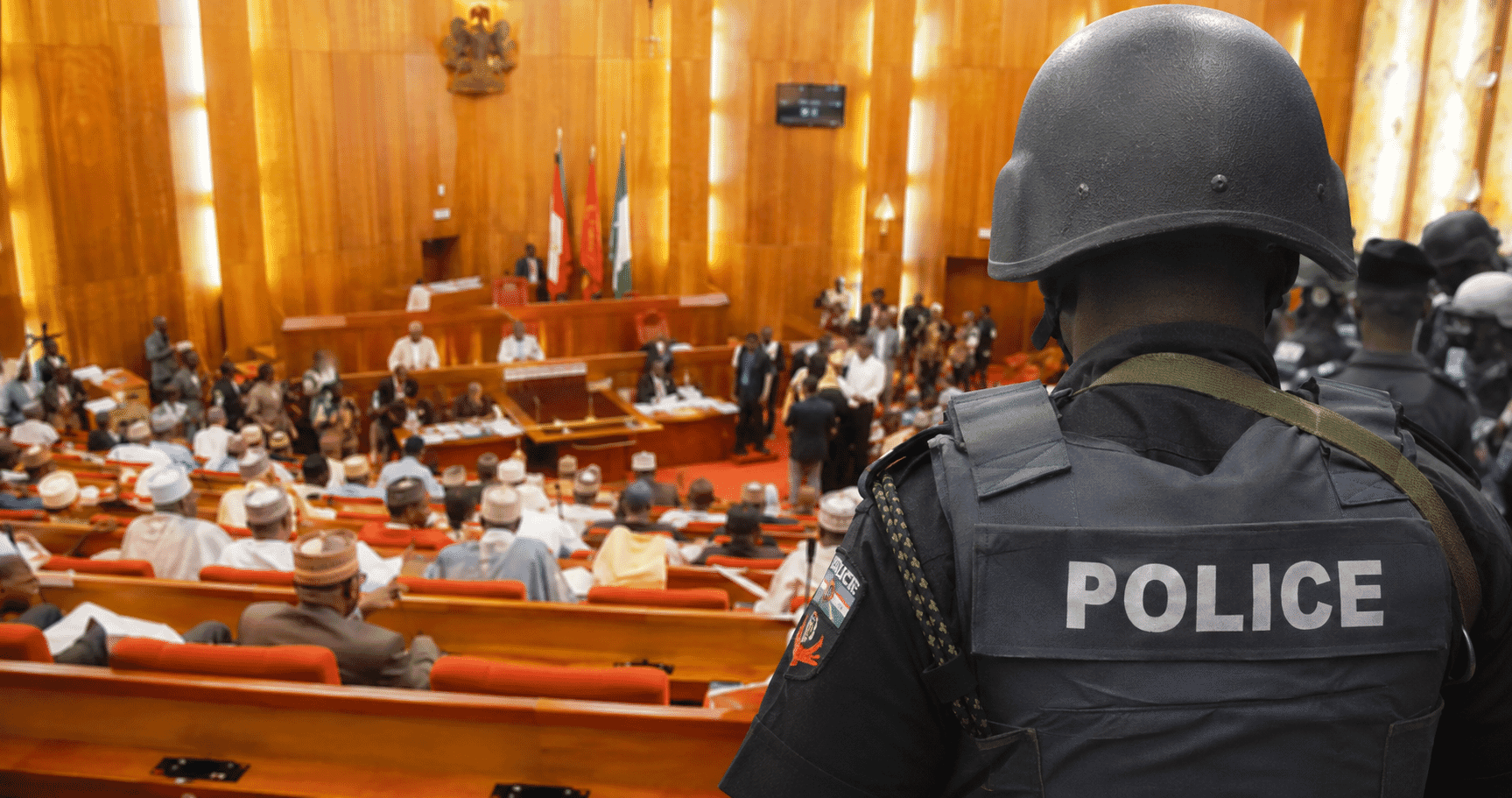 State Police Bill Clears Senate, Handing Nigerian Governors New Powers Amid Funding Fears
 SEC Bans Dangote Refinery IPO Marketing, Orders Refunds Within 24 Hours
 Tax Acts 2025: Federal Government Releases Final Transition Guidelines for Nigeria's New Tax Regime