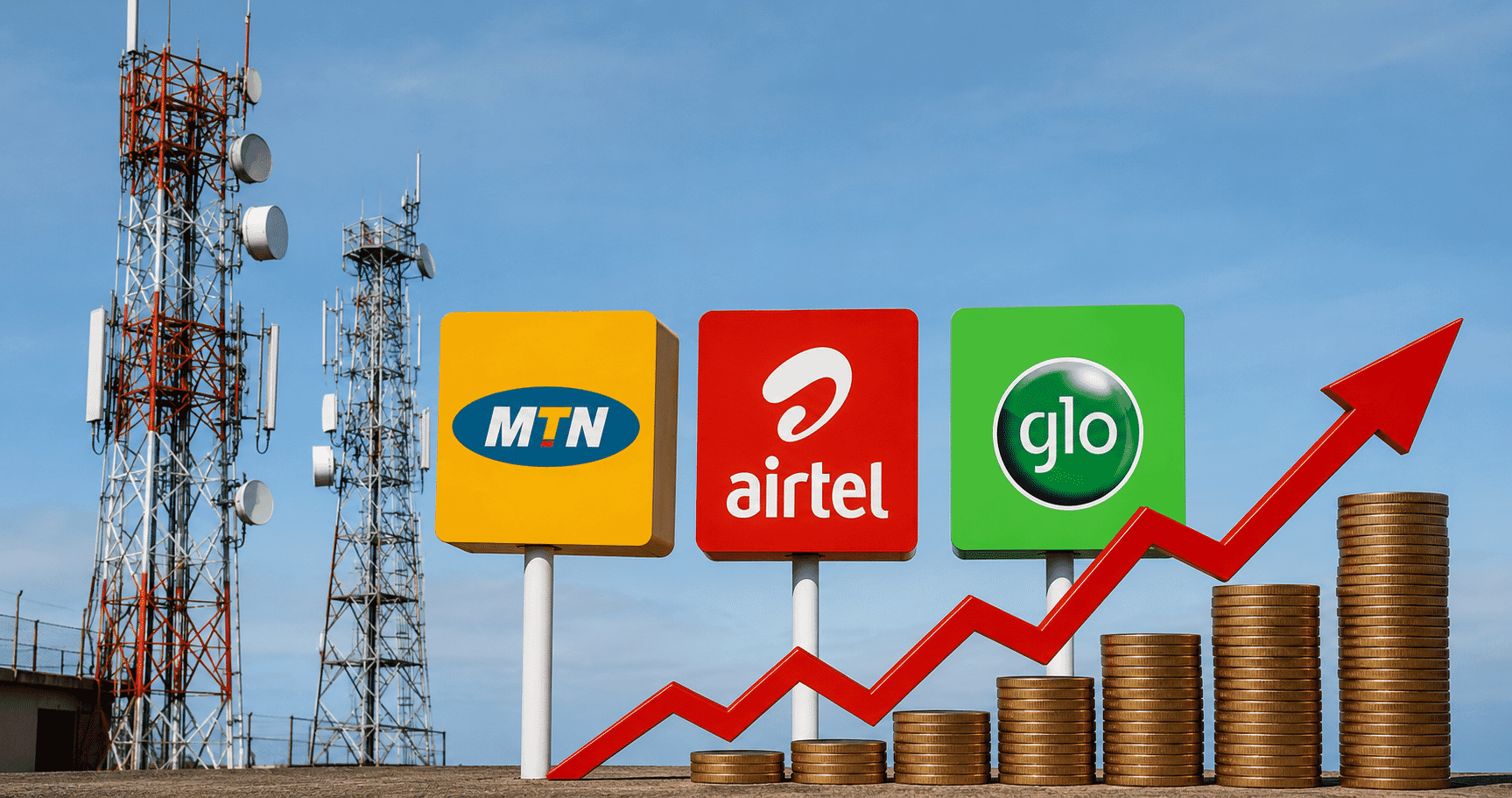
The Nigerian Communications Commission (NCC) has started a comprehensive review of Mobile Termination Rates (MTR), also known as interconnection rates, for call and SMS services in Nigeria. This marks the first update since 2018. The process, announced at a stakeholders’ consultative forum in Lagos on Tuesday, June 16, 2026, aims to align wholesale charges with current economic realities.
If reviewed upward, the changes could translate to higher retail tariffs for millions of telecom users nationwide. The current asymmetric rates stand at N3.90 per minute for generic operators and N4.70 per minute for new entrants.
Current Interconnection Rates and Eight-Year Stagnation
Mobile Termination Rates represent the wholesale per-minute charges one telecom operator pays another to complete calls or handle SMS on a competitor’s network. These regulated fees form the backbone of Nigeria’s interconnected telecom ecosystem.
The rates have remained unchanged since the 2018 determination despite major shifts. Significant naira depreciation, high inflation, and surging energy costs have altered operators’ cost structures. Technological advancements, including 5G deployment and AI/IoT services, have further transformed network usage patterns.
Over-the-Top (OTT) platforms like WhatsApp and Telegram now capture substantial voice and messaging traffic. This reduces reliance on traditional interconnection services and pressures legacy revenue streams.
 CBN Orders Banks and Fintechs to Store Payment Data Locally, Sets January 2027 Deadline
Economic Pressures Driving the NCC Review
The current Mobile Termination Rate framework was set out in the Commission's Interconnection Rate Determination of June 1, 2018, and was only adjusted once, through a tweak to the Mobile International Termination Rate in September 2022.
The current MTR stands at N3.90 per minute for generic operators and N4.70 per minute for new entrants, rates that have remained unchanged since 2018.
Speaking at the forum, Mrs Omotayo Mohammed, the Head of Competition and Tariff at the NCC, said the review had become necessary because the existing rates no longer reflect prevailing operational and economic conditions in the telecommunications sector. She framed the timing as overdue rather than reactive.
Mohammed described the review as a significant economic intervention intended to align NCC's frameworks with the rapid pace of change in the telecoms sector. She noted the Commission has historically maintained a regular cycle of periodic reviews to keep its frameworks relevant, but the years since the 2018 determination have been marked by unprecedented and rapid change.
She pointed to naira depreciation, rising inflation, escalating energy costs and evolving consumer behaviour as forces that have reshaped the sector since the last determination. These macroeconomic pressures sit at the center of the Commission's justification for revisiting a tariff structure nearly a decade old.
Stakeholder Perspectives and Investment Context
Association of Licensed Telecom Operators of Nigeria (ALTON) Chairman Gbenga Adebayo welcomed the review. He noted that the 50% retail tariff adjustment approved in 2025 has already driven approximately N4 trillion in investments into infrastructure expansion and upgrades.
Industry capital expenditure reached about N2.13 trillion in 2025, with plans for N1.86 trillion in 2026. Adebayo emphasized the importance of cost-reflective rates for sustainability.
KPMG representative Wole Adenekan stressed that rates too low fail to reflect true costs. This can deter investment while mis-set rates may allow dominant players to create barriers.
“A cost-reflective rate supports a level competitive playing field,” he added.
The Association of Telecoms Companies of Nigeria (ATCON) has advocated for retaining asymmetric rates to support smaller operators with less than 10% market share.
Methodology and Timeline of the KPMG-Led Study
The consultancy follows three phases: Assess, Discover, and Develop. It includes benchmarking against markets like South Africa, Kenya, Indonesia, and Malaysia.
Operators will submit detailed five-year financial and operational data. The study uses a Long Run Incremental Cost Plus (LRIC+) bottom-up cost model. This accounts for capital and operating expenditures of an efficient hypothetical operator.
The process spans approximately four months with stakeholder consultations. It remains open for additional inputs to ensure transparency and balanced outcomes.
Key deliverables include updated frameworks for different technology generations (2G to 5G), MVNO interconnections, and retail price controls. The NCC operates under Sections 4, 96, 97, and 108 of the Nigerian Communications Act 2003.
Potential Impacts on Consumers, Operators, and Digital Economy
An upward review of wholesale rates could pass through to retail call and SMS tariffs. Nigerian consumers, already navigating economic challenges, may face higher costs for basic communication services.
However, proponents argue that cost-reflective rates will encourage infrastructure investment. This supports better service quality, expanded 5G coverage, and enhanced digital financial services via USSD.
The review balances consumer protection with operator sustainability in a market serving over 200 million subscribers. Nigeria positions itself as Africa’s digital hub amid rapid data consumption growth.
NCC Director of Public Affairs, Mrs. Nnenna Ukoha, described the forum as vital for the telecommunications value chain. She called for broad participation to achieve sustainable sector growth.
Broader Context for Nigeria’s Telecom Sector
This review occurs against a backdrop of previous tariff adjustments and ongoing investments by major operators including MTN, Airtel, Glo, and others. It also considers the rise of Mobile Virtual Network Operators (MVNOs).
The outcome could influence competition dynamics, service affordability, and innovation. Any new determination will likely incorporate forward-looking elements up to 2030 projections.
Stakeholders across the value chain, from tower companies to clearing houses, participate actively. The NCC has committed to making methodology, assumptions, and cost models available for review.
Read More
![space x]() How to Buy SpaceX (SPCX) Stock From Nigeria: Best Apps and Step-by-Step Guide
How to Buy SpaceX (SPCX) Stock From Nigeria: Best Apps and Step-by-Step Guide![Elon Musk]() Elon Musk Becomes World's First Trillionaire as SpaceX Shares Surge 23% on Nasdaq
Elon Musk Becomes World's First Trillionaire as SpaceX Shares Surge 23% on Nasdaq![Digital Switch Over]() Nigeria Digital Switchover 2026: FG Launches Nationwide DSO on June 17, Ending Analogue TV Broadcasting
Nigeria Digital Switchover 2026: FG Launches Nationwide DSO on June 17, Ending Analogue TV Broadcasting![Opay]() OPay's $4 Billion Wall Street Dream Was Built on Nigerian Wallets — So Why Are Nigerians Not Invited?
OPay's $4 Billion Wall Street Dream Was Built on Nigerian Wallets — So Why Are Nigerians Not Invited?
 How to Buy SpaceX (SPCX) Stock From Nigeria: Best Apps and Step-by-Step Guide
 Elon Musk Becomes World's First Trillionaire as SpaceX Shares Surge 23% on Nasdaq
 Nigeria Digital Switchover 2026: FG Launches Nationwide DSO on June 17, Ending Analogue TV Broadcasting
 OPay's $4 Billion Wall Street Dream Was Built on Nigerian Wallets — So Why Are Nigerians Not Invited?