
This morning’s snapshot comes as Nigeria’s foreign reserves sit near a multi-year high of over $51 billion and inflation eased slightly to 15.91 percent in June. Yet fresh demand from Dangote Refinery’s switch to full dollar pricing for petrol and diesel from July 13 is already testing liquidity. For ordinary Nigerians, importers, and remittance receivers, every naira movement now decides the real cost of school fees, diesel for generators, and imported goods.
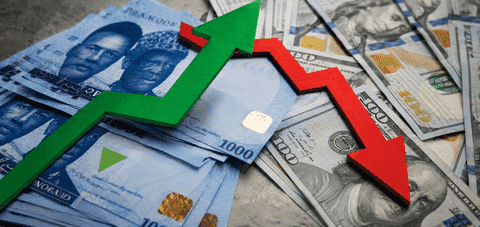 Dollar to Naira Exchange Rate Slips This Week as Black Market Rallies and the Gap Narrows
Current Naira to Dollar Rates on July 16 2026: Official vs Parallel Market
As of early trading on Thursday, July 16, 2026, the Naira to Dollar exchange rate for July 16, 2026 shows the following verified levels:
- Official NFEM (CBN volume-weighted, July 15 close): ₦1,382.18
- Mid-market rate (Wise): ₦1,384.05
- Trading Economics USD/NGN: ₦1,380.43 (up 0.24 percent on the day)
- Parallel market buy: ₦1,415
- Parallel market sell: ₦1,422
The gap between official and parallel markets sits at roughly ₦30–₦42. That is narrower than the ₦100-plus spreads seen in late 2024 but still wide enough to matter for anyone without access to the official window.
Why the Naira Holds Near ₦1,380 Amid Fresh FX Pressures
Three forces explain today’s Naira to Dollar exchange rate for July 16, 2026.
First, CBN external reserves have climbed above $51 billion, the highest in years and already meeting the apex bank’s full-year 2026 target. Stronger oil earnings and improved FX market reforms since mid-2025 have rebuilt the buffer. That firepower lets the CBN smooth volatility without heavy interventions.
Second, inflation cooled to 15.91 percent in June from 15.93 percent in May, according to the National Bureau of Statistics. A more stable naira helped, even as food prices rose. The Monetary Policy Rate remains elevated, supporting the currency.
Third, and this is the new pressure point competitors are underplaying: Dangote Refinery switched all refined products to pure dollar pricing effective July 13. Petrol now costs $0.779 per litre at the gantry, diesel $1.087, and jet fuel $0.942. Marketers must source dollars daily, adding an estimated $60 million-plus in fresh FX demand. That demand is already visible in the parallel market firmness.
Compare this to the 2024 crisis. Back then the naira crashed past ₦1,700 as reserves fell and multiple exchange rates proliferated. Today’s setup is tighter, more transparent, and backed by higher reserves. Yet the Dangote move reintroduces a classic Nigerian risk: large private-sector dollar demand that can quickly widen the parallel premium if supply lags.
How Today’s Naira to Dollar Rate Directly Hits Everyday Nigerians and Businesses
Take a Lagos family receiving a $500 remittance. At the parallel sell rate of ₦1,422 they collect about ₦711,000. At the official ₦1,380 they would get only ₦690,000. That ₦21,000 difference pays for two weeks of transport or a generator’s diesel.
Importers face the same math. A small electronics dealer needing $10,000 for inventory pays roughly ₦14.22 million on the parallel market versus ₦13.80 million officially. The extra ₦420,000 erodes margins or forces higher consumer prices.
Fuel is the sharpest local angle. At $0.779 per litre and ₦1,380, the ex-depot petrol cost converts to about ₦1,075. Add logistics and margins and pump prices in Lagos and Abuja currently hover between ₦1,070 and ₦1,200 depending on station. If the naira weakens another 2 percent, every litre rises by roughly ₦22 before the pump. For a commercial bus driver filling 100 litres daily, that is an extra ₦2,200 cost that gets passed to passengers.
Businesses that previously enjoyed naira-for-crude arrangements now shoulder full FX risk. This is the opposite of the 2024–2025 policy push that tried to keep more transactions local. The result: higher working-capital needs for marketers and potential upward pressure on transport and food inflation.
Historical Context: From 2024 Peak of ₦1,717 to Today’s Recovery
The Naira to Dollar exchange rate for July 16, 2026 sits more than 20 percent stronger than the November 2024 all-time high of ₦1,717.50. Over the past 12 months the naira has appreciated roughly 9.7 percent against the dollar. Month-on-month it has weakened about 1.6 percent, a mild correction after earlier gains.
That recovery tracks three policy pillars: rate unification, clearance of FX backlogs, and the fourth edition of the CBN Foreign Exchange Manual launched in June 2026. Reserves rose from under $38 billion a year ago to over $51 billion. Liquidity improved and the parallel premium shrank.
Still, the naira remains far weaker than pre-2023 levels near ₦460. Structural import dependence and oil-price sensitivity keep it vulnerable.
What Analysts Are Watching Next
Market watchers point to three swing factors for the coming days: the direction of FX inflows from oil receipts and diaspora remittances, the depth of CBN intervention in the official window, and the outcome of upcoming US Federal Reserve signals.
Analysts say the naira's direction in the coming days will depend on foreign exchange inflows, market liquidity, demand from importers, and ongoing monetary and fiscal policies aimed at improving stability in the currency market.
The CBN, under Governor Olayemi Cardoso, has used its Monetary Policy Committee briefings this year to stress liquidity and transparency in the FX market as the core of its strategy, rather than a return to multiple, opaque exchange windows.
Read More
-
![ngx]() Top 10 Best Performing Nigerian Stocks in July 2026 as NGX Rally Creates New Winners
Top 10 Best Performing Nigerian Stocks in July 2026 as NGX Rally Creates New Winners -
![NGX Trading Building]() Nigerian Stocks Overtake South Korea's Kospi to Become the World's Best-Performing Market
Nigerian Stocks Overtake South Korea's Kospi to Become the World's Best-Performing Market -
![Opay Digital Services]() OPay Security Features Activate Emergency Lock and Safety PIN to Protect Customer Accounts
OPay Security Features Activate Emergency Lock and Safety PIN to Protect Customer Accounts ![Aliko Dangote]() Dangote Rejects NNPC Bid to Raise Stake in $20 Billion Refinery, Eyes Public Listing for Nigerians
Dangote Rejects NNPC Bid to Raise Stake in $20 Billion Refinery, Eyes Public Listing for Nigerians
 Top 10 Best Performing Nigerian Stocks in July 2026 as NGX Rally Creates New Winners
 Nigerian Stocks Overtake South Korea's Kospi to Become the World's Best-Performing Market
 OPay Security Features Activate Emergency Lock and Safety PIN to Protect Customer Accounts
 Dangote Rejects NNPC Bid to Raise Stake in $20 Billion Refinery, Eyes Public Listing for Nigerians