What Emergency Lock Actually Does
Emergency Lock works with a single tap. Once triggered, it freezes an account for a fixed 24 hour window.
During that period, every outgoing transaction stops cold. Transfers, bill payments, and card transactions are all blocked, preventing anyone from moving funds out of the account while the lock stays active.
The irreversibility is the real innovation here. OPay built the freeze so that neither the account holder nor customer support staff can lift it before the 24 hours run out, closing off any path for fraudsters to talk their way around the safeguard through social engineering. That is a deliberate design choice, and it matters. Most fraud recovery tools assume a cooperative, uncoerced user. This one assumes the opposite.
Safety PIN Solves a Problem Emergency Lock Cannot
Emergency Lock only helps if a victim can safely reach for their phone and tap a button. Robbery and coercion rarely allow that luxury.
That is where Safety PIN comes in. Customers set up a separate PIN in advance, distinct from their normal transaction PIN, specifically for emergencies.
If a customer is forced to authorise a transaction against their will, entering the Safety PIN instead triggers the same 24-hour freeze, but silently. Nothing visibly changes on screen. The system discreetly locks the account so the customer can protect themselves without tipping off whoever is standing over their shoulder demanding access.
It is a quiet piece of engineering built for a loud, dangerous moment.
Why OPay Is Flipping the Script on Fraud Response
Banking security has historically been reactive. Customers report a fraudulent transfer, then wait for an investigation, a chargeback, or a recovery process that can drag on for weeks.
OPay's latest update signals a broader shift across digital banking toward preventing unauthorised transactions before they happen, rather than cleaning up after the fact. By pairing proactive protection through Emergency Lock with discreet protection through Safety PIN, the company is arming customers with tools to stay ahead of unauthorised access attempts instead of chasing losses afterward.
That distinction sounds subtle. In practice, it is the difference between losing money and never losing it in the first place.
 OPay's $4 Billion Wall Street Dream Was Built on Nigerian Wallets — So Why Are Nigerians Not Invited?
The Voice Behind the Rollout
OPay put its engineering leadership front and center for this announcement. Dotun Adekunle, the company's Chief Operating Officer and Chief Technology Officer, said every innovation at OPay starts with one question: how can the company better protect and serve its customers.
Adekunle said the features were developed to address real-life security challenges many Nigerians face daily, and were designed to give customers immediate control over their finances during moments of uncertainty. He also framed the launch around a broader philosophy, arguing that financial services should provide not just convenience but confidence, security, and peace of mind.
A Threat Landscape That Made This Launch Necessary
Nigeria's fraud problem is not abstract. Phone theft, robbery, account compromise, and forced transfers remain daily realities for tens of millions of Nigerians who now depend on digital payments for everyday life.
OPay is not alone in scrambling to respond. Around the same period, Wema Bank had to temporarily suspend its social media channels after a spike in fraudulent accounts impersonating the bank on Telegram, warning customers that its ALAT digital platform has no presence on that app at all. Different attack vector, same underlying pressure: Nigerian fintech and banking brands are under sustained assault from increasingly sophisticated scam operations, and public trust is the currency at stake.
That context is worth sitting with. A feature like Safety PIN is not a marketing flourish. It is a direct response to a documented, worsening threat environment.
How Customers Activate the Features
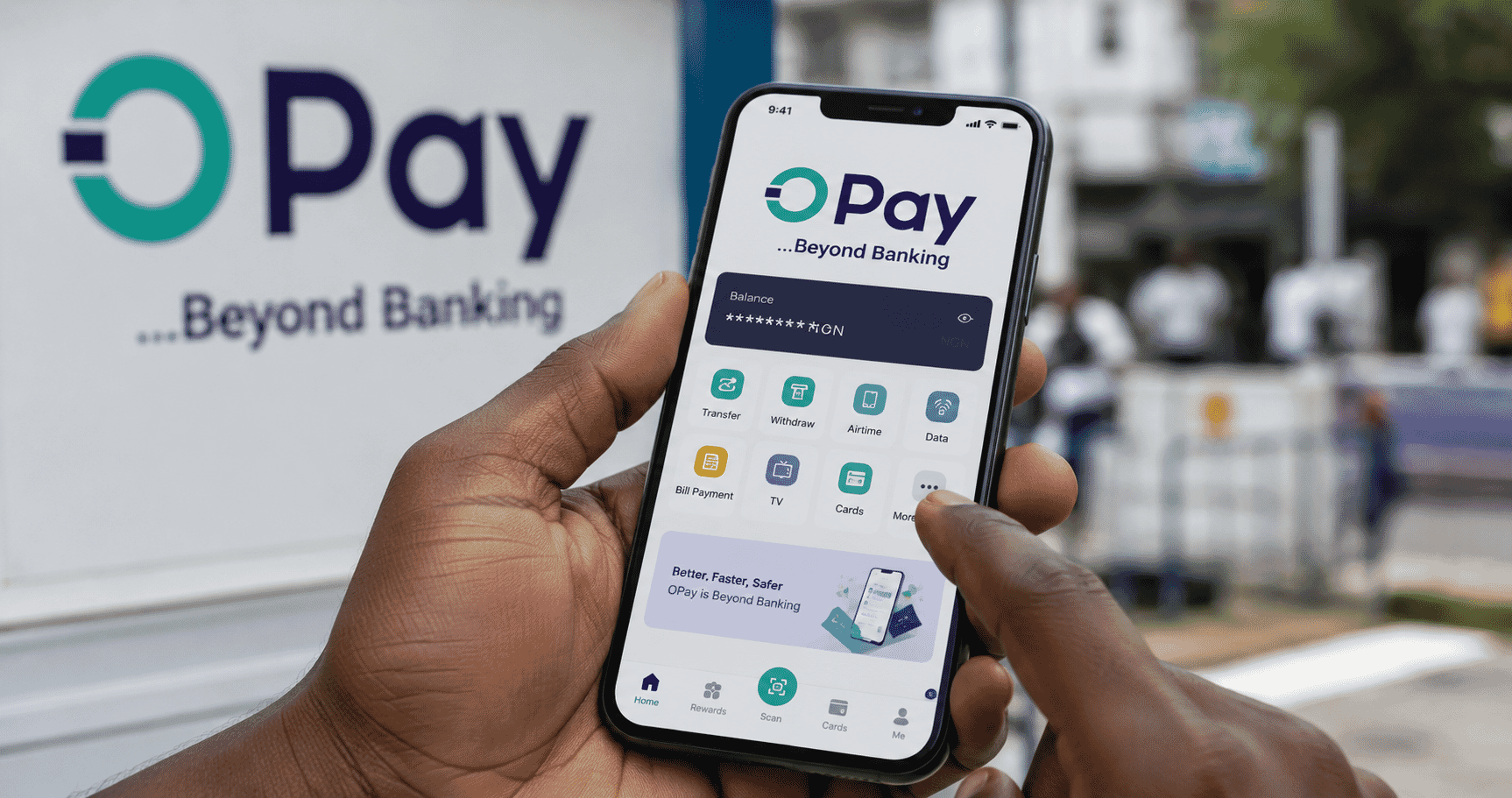
The rollout was kept deliberately simple. Customers activate Emergency Lock and set up their Safety PIN through the Security Centre inside the OPay app, with no separate download or account upgrade required.
Setup takes minutes. The Safety PIN in particular rewards customers who configure it before a crisis, not during one, since it needs to be memorized and distinct from a regular transaction PIN to work under pressure.
OPay's Regulatory Standing Adds Weight to the Announcement
Security promises from fintech firms carry more weight when backed by regulatory oversight. OPay was established in 2018 and is licensed by the Central Bank of Nigeria and insured by the Nigeria Deposit Insurance Corporation.
That NDIC backing places OPay depositors under the same insurance framework as traditional commercial bank customers, a detail that matters for trust when a company is asking users to hand over even more control of their financial safety net to an app based feature.
The Bigger Picture for Nigeria's Digital Payment Boom
As Nigeria's digital payments ecosystem keeps expanding, security is becoming just as competitive a battleground as speed and user experience among fintech companies. Emergency Lock and Safety PIN are OPay's answer to that competitive pressure, but they also set a bar that rivals will now feel pressure to match.
Expect other Nigerian fintech platforms, and possibly traditional banks running mobile apps, to roll out comparable coercion-resistant freeze tools within the next year. Once one major player normalizes a feature like a silent panic PIN, customers start expecting it everywhere.
What This Means for OPay Users Right Now
The practical takeaway is straightforward. Anyone using OPay should open the Security Centre today, activate Emergency Lock, and set a Safety PIN before it is ever needed.
Waiting until a phone is stolen or a robbery is underway is too late to configure a defense. The entire value of these tools depends on customers setting them up in calm moments, so they are ready in dangerous ones.
Read More
-
![Dangote Refinery]() SEC Bans Dangote Refinery IPO Marketing, Orders Refunds Within 24 Hours
SEC Bans Dangote Refinery IPO Marketing, Orders Refunds Within 24 Hours ![Taiwo Oyedele]() Tax Acts 2025: Federal Government Releases Final Transition Guidelines for Nigeria's New Tax Regime
Tax Acts 2025: Federal Government Releases Final Transition Guidelines for Nigeria's New Tax Regime![CBN Building]() CBN Orders Banks, Fintechs to Disclose Ultimate Beneficial Owners in Sweeping Payments Overhaul
CBN Orders Banks, Fintechs to Disclose Ultimate Beneficial Owners in Sweeping Payments Overhaul![CBN Building]() CBN Orders Banks and Fintechs to Store Payment Data Locally, Sets January 2027 Deadline
CBN Orders Banks and Fintechs to Store Payment Data Locally, Sets January 2027 Deadline
 SEC Bans Dangote Refinery IPO Marketing, Orders Refunds Within 24 Hours
 Tax Acts 2025: Federal Government Releases Final Transition Guidelines for Nigeria's New Tax Regime
 CBN Orders Banks, Fintechs to Disclose Ultimate Beneficial Owners in Sweeping Payments Overhaul