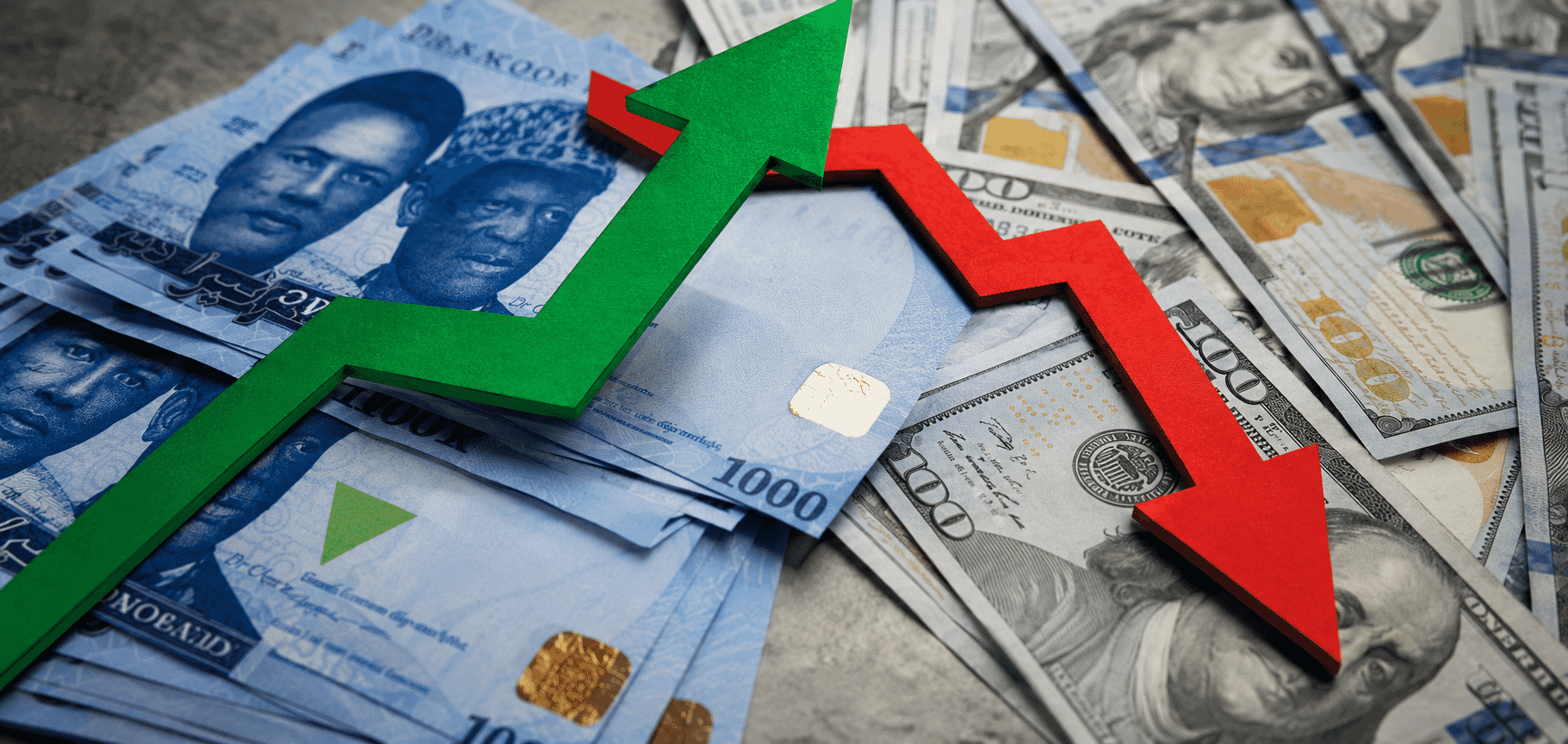
Dollar to Naira Rate This Week: The Numbers at a Glance
Let's start with the raw data. This is the trail the naira left behind over the last seven trading sessions.
- Monday, July 7: Official rate ₦1,367.29. Parallel market ₦1,400.
- Tuesday, July 8: Official rate ₦1,372.96. Parallel market ₦1,400 to ₦1,410.
- Wednesday, July 9: Official rate ₦1,373.99. Parallel market ₦1,410.
- Friday, July 10: Official rate ₦1,375.94 (Vanguard) to ₦1,379.65 (Businessday, citing FMDA). Parallel market ₦1,410 to ₦1,425.
- Monday, July 13: Official rate ₦1,382.33. Parallel market ₦1,410 to ₦1,425.
- Wednesday, July 15: Official rate ₦1,382. Parallel market ₦1,412.
 Nigerian Stocks Overtake South Korea's Kospi to Become the World's Best-Performing Market
Why the Naira Slipped in the Official Market
The official rate drifted from the ₦1,367 to ₦1,373 range early in the week toward ₦1,382 by Wednesday. That is a depreciation of roughly ₦15, or just over 1 percent, in seven trading days.
Analysts point to a familiar mix of causes. Importer and manufacturer demand for dollars remains constant, and it does not pause for good macro news. Trading volume also thinned out. Businessday reported that total NFEM turnover fell to $1.72 billion for the week, down sharply from $3.39 billion the week before. Thinner markets swing more easily on smaller trades.
There is also a global piece to this. Renewed tension between Iran and the United States pushed crude oil prices higher during the period. Higher oil prices should eventually help Nigeria, since oil exports are the country's biggest dollar earner. But that benefit shows up in reserves over weeks and months, not in the spot rate the same afternoon.
The Black Market Story: Why the Parallel Rate Actually Improved
Here is the twist competitors are missing. While the official rate slipped, the parallel market moved in the opposite direction. The black market dollar eased from ₦1,420 on July 14 to about ₦1,412 on July 15, based on data from NgnRates and confirmed independently by Vanguard and allAfrica.
That narrowed the spread between official and street rates to roughly ₦30, down from ₦46 recorded earlier in the month. A shrinking gap usually signals one thing: fewer people feel forced to bypass the official window. When banks and BDCs can meet more demand, the black market premium naturally compresses. That is arguably a healthier signal than the headline official rate alone.
Street exchange rates in Lagos, Abuja, and Kano do still vary by location and by dealer, and BDC operators quote different buy and sell prices throughout the day. Anyone converting cash physically should shop around rather than anchor to one quoted figure.
The Bigger Picture: Nigeria's $51.77 Billion Reserve War Chest
The context that makes this week's dip less alarming is reserves. Nigeria's external reserves hit $51.77 billion as of July 10, 2026, up 38.61 percent from $37.33 billion a year earlier, according to CBN data. That already exceeds the CBN's own 2026 target of $51.04 billion, a level the bank first reached on June 18 and which analysts described as a multi-year high.
CBN Governor Olayemi Cardoso has repeatedly tied the reserve build to investor confidence. He said in May that the growing buffer "continues to reinforce investor confidence in the Nigerian economy and support exchange rate stability,".
Capital is also flowing back in through formal channels. Nigeria recorded $10.37 billion in capital importation in the first quarter of 2026, an 83.8 percent jump from $5.64 billion in the same period of 2025, per National Bureau of Statistics data cited by The Guardian. Diaspora remittances through official channels reportedly rose about 12 percent in 2025 as well, aided by the Non-Resident BVN scheme.
Bigger reserves give the CBN more ammunition to smooth out weeks like this one without letting the currency spiral.
The IMF's Warning: Is the Naira Being Propped Up?
Not everyone is applauding the reserve buildup without reservation. The International Monetary Fund flagged a real risk in its latest Article IV review. The Fund's Real Effective Exchange Rate assessment found the naira undervalued by about 25.6 percent, and it cautioned that rapid reserve accumulation may be slowing the currency's adjustment toward its actual market value.
In plain terms, the IMF's concern is this. If the CBN is buying up dollars to fatten reserves faster than the market would naturally push the rate, the official number may not reflect true supply and demand. That can store up pressure rather than release it.
It is a legitimate open question, and it has not been resolved. We flag it here as an unconfirmed but credible criticism from a primary institutional source, not as settled fact.
A second open question follows directly from this week's data mismatch between Vanguard and Businessday's FMDA figures for July 10. Nigeria still lacks one single, universally cited real-time reference rate that every outlet reports identically.
What This Means for Importers, Students, and Everyday Nigerians
A weaker official naira raises landed costs for anything priced in dollars. Importers of machinery, raw materials, and finished goods pay more naira per unit this week than they did seven days ago. That cost typically passes through to retail prices with a lag of a few weeks.
Students abroad feel this differently. Under the CBN's updated Foreign Exchange Manual, which took effect in June 2026, tuition remittances are capped at $25,000 per semester, with a separate $5,000 quarterly maintenance allowance for students living off campus.
A ₦15 move on the official rate adds real naira cost to those caps, even though the dollar figure never changes.
Nigerians receiving diaspora remittances actually benefit slightly from a weaker official naira, since each dollar sent home converts to more naira. But the same manual now requires International Money Transfer Operator payouts above $200 to go through a bank account rather than cash, which changes how quickly people can access funds.
How This Week Compares With Past Naira Cycles
Zoom out and the picture looks far calmer than a year ago. The naira closed May 2026 near ₦1,372 per dollar, compared with roughly ₦1,585 in May 2025, a improvement of over ₦200 year on year. Reserves have climbed 34 to 38 percent depending on the exact comparison date, moving from the low $37 billion range to above $51 billion in twelve months.
That contrast matters for skeptical readers who remember 2023 and 2024, when the naira lost value in rapid, disorderly moves after the exchange rate unification. This week's ₦15 slide, however uncomfortable, is a fraction of the volatility Nigerians saw two years ago. Whether that stability holds depends on oil prices, reserve policy, and how the IMF's undervaluation warning eventually gets addressed.
Read More
-
![Opay Digital Services]() OPay Security Features Activate Emergency Lock and Safety PIN to Protect Customer Accounts
OPay Security Features Activate Emergency Lock and Safety PIN to Protect Customer Accounts ![Aliko Dangote]() Dangote Rejects NNPC Bid to Raise Stake in $20 Billion Refinery, Eyes Public Listing for Nigerians
Dangote Rejects NNPC Bid to Raise Stake in $20 Billion Refinery, Eyes Public Listing for Nigerians-
![Dangote Refinery]() SEC Bans Dangote Refinery IPO Marketing, Orders Refunds Within 24 Hours
SEC Bans Dangote Refinery IPO Marketing, Orders Refunds Within 24 Hours ![Taiwo Oyedele]() Tax Acts 2025: Federal Government Releases Final Transition Guidelines for Nigeria's New Tax Regime
Tax Acts 2025: Federal Government Releases Final Transition Guidelines for Nigeria's New Tax Regime
 OPay Security Features Activate Emergency Lock and Safety PIN to Protect Customer Accounts
 Dangote Rejects NNPC Bid to Raise Stake in $20 Billion Refinery, Eyes Public Listing for Nigerians
 SEC Bans Dangote Refinery IPO Marketing, Orders Refunds Within 24 Hours
 Tax Acts 2025: Federal Government Releases Final Transition Guidelines for Nigeria's New Tax Regime