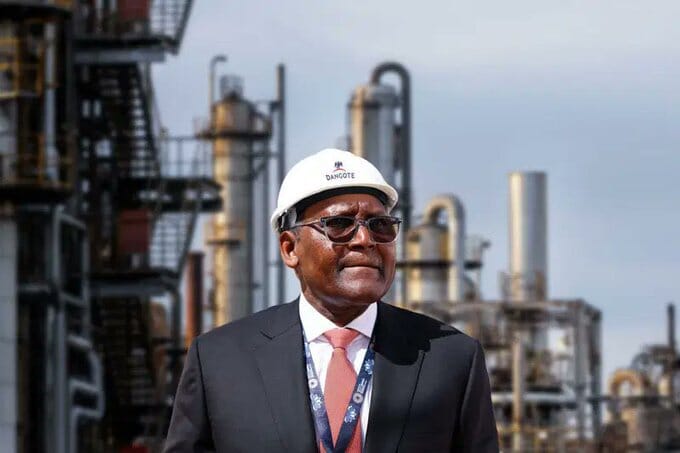
President of the Dangote Group, Aliko Dangote, turned down requests by the Nigerian National Petroleum Company Limited to acquire additional shares beyond its current holding. He stated the decision outright in the interview. NNPC sought to buy more equity in the Lekki-based facility.
Dangote spoke with Nicolai Tangen, chief executive of the Norwegian Sovereign Wealth Fund. The interview occurred shortly before the public disclosure. He framed the rejection as a deliberate choice by the company.
NNPC Holds 7.25 Percent Stake After Incomplete 20 Percent Deal
The national oil company owns 7.25 percent of the refinery. It acquired this portion for $1 billion in 2021. An option existed to reach 20 percent by paying the balance due in June 2024, but NNPC did not complete the payment.
Dangote first clarified the reduced stake publicly in 2024. He noted NNPC retained only the paid-up 7.25 percent after missing the deadline. The company confirmed the figure remains unchanged.
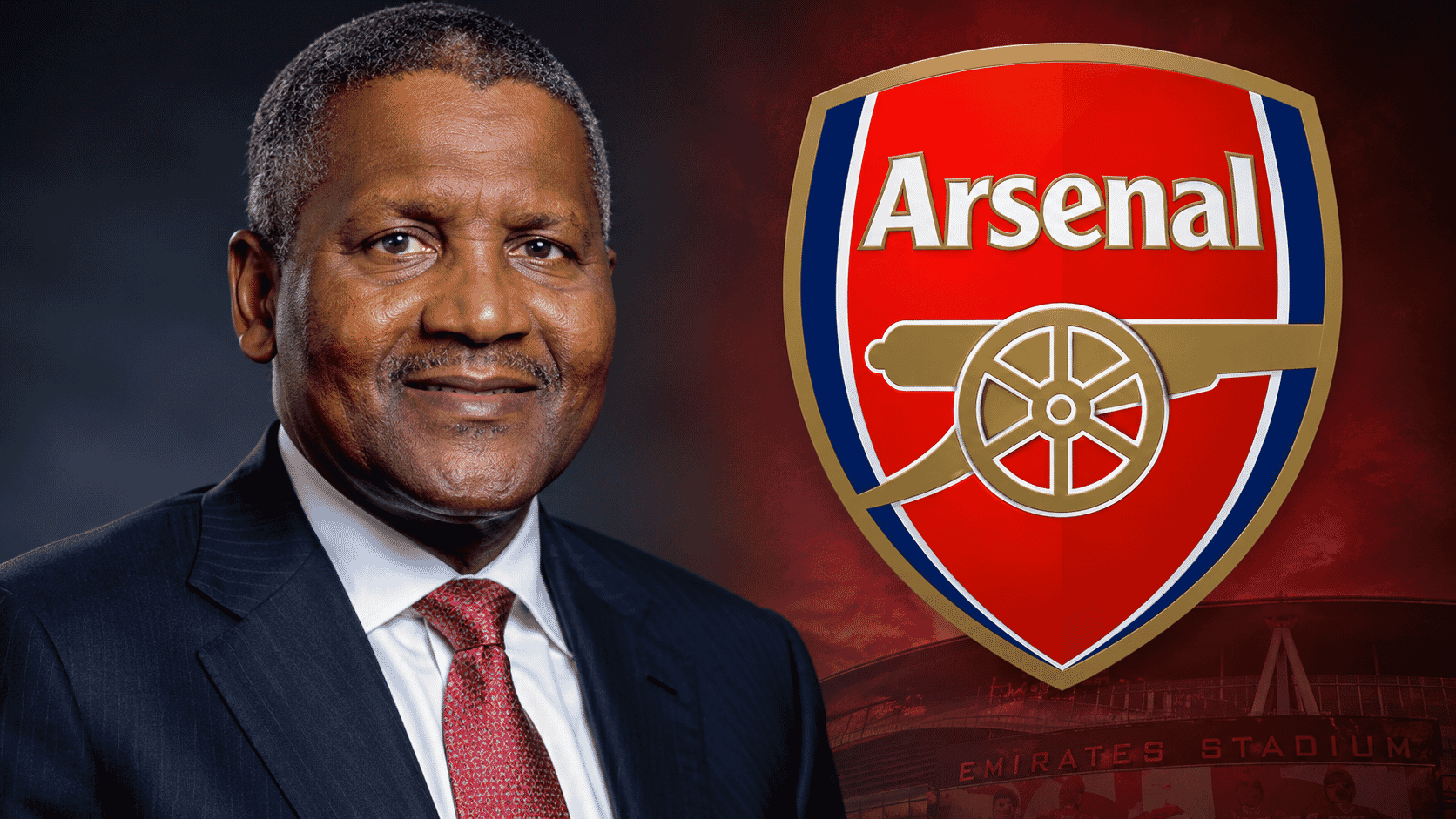 Aliko Dangote Reveals Why He Chose His $20B Refinery Over Buying Arsenal FC
Public Listing Plans to Spread Ownership Among Nigerians
Dangote Group rejected the increase to enable a broader public listing. The move will allow ordinary Nigerians to own shares in the plant. Executives want to spread participation rather than concentrate more ownership with the state oil firm.
The planned listing could involve selling up to 10 percent of the company. Analysts project the offering could value around $5 billion. This structure prioritizes wider Nigerian participation ahead of any further NNPC involvement.
Dangote explained the strategy directly. “We are the ones that said no; we want to now spread it and have everybody be part of it,” he said. The approach aligns with plans to sell part of the business and attract more investors while growing operations.
Dangote Flags Government Policy Inconsistency as Major Risk
During the same interview, Dangote identified policy inconsistency as one of the biggest risks to large-scale industrial investments in Nigeria. He listed civil war as another risk but noted it is “not in the offing at all.” The refinery discussion arose naturally in this context.
The billionaire stressed that government policy shifts create uncertainty for businesses. He linked this concern directly to the refinery’s ownership structure. The decision to limit further NNPC involvement reflects efforts to address such risks.
Dangote Refinery Delivers Record Output and Expansion Roadmap
The $20 billion Lekki refinery ranks as Africa’s largest and the world’s biggest single-train refining facility. It runs at 661,000 barrels per day, exceeding its 650,000 barrels per day nameplate capacity. Output already supplies significant domestic needs.
Group executives target expansion to 1.4 million barrels per day within 30 months. The project continues to receive support from multiple financial partners. These include Afreximbank, Africa Finance Corporation, Zenith Bank, Access Bank, UBA, Standard Bank of South Africa, and Standard Chartered Bank.
Recent data shows local refineries, including Dangote, supplied 3.18 billion liters of petrol in Q1 2026. This figure surpassed imports of 965.52 million liters. Ex-depot prices averaged near N1,000 per liter, generating substantial domestic sales revenue.
Dangote Group Sets Ambitious Targets for Growth and Dividends
The conglomerate plans to inject $45 billion into its businesses over coming years. Revenue targets reach $100 billion by 2030. Market valuation goals exceed $250 billion, supported by last year’s $3 billion EBITDA and a 2030 target above $30 billion.
Shareholders will receive dividends in dollars. Roughly 80 percent of group revenue comes from dollar-denominated sources, including refinery exports. This structure underpins the push for public listing and broader ownership.
Dangote’s comments signal confidence in the refinery’s future. The rejection of NNPC’s bid reinforces the group’s control while inviting public investment. All details stem directly from the May 14, 2026 disclosures.
The Nigerian National Petroleum Company Limited, formerly referenced under Mele Kyari’s leadership, saw its stake adjusted in line with payment realities. Former spokesman Olufemi Soneye previously noted the reduction freed capital for other investments such as compressed natural gas stations. The current position stands at 7.25 percent with no further increase approved.
Industry watchers note the refinery’s crude sourcing mix. It draws 56 percent from Nigeria, with the balance from Angola, Libya, and the United States. The facility processes roughly 21 cargoes monthly. Jet fuel output reaches 20 million liters daily and remains oversold through mid-July.
Global events also affect related Dangote businesses. Fertilizer prices rose from $400 per ton in February to $850, while polypropylene climbed from $900 to about $3,000 amid Middle East tensions. These shifts highlight the group’s exposure yet underscore its resilience through diversified operations.
The public listing announcement arrives at a pivotal moment. Nigeria’s energy sector seeks greater local participation. Dangote’s strategy positions the refinery as a national asset open to citizens rather than expanded state control.
The Dangote Petroleum Refinery continues operations without interruption. The group maintains focus on growth, listing preparations, and delivering value to a wider base of Nigerian investors.
Read More
![Digital Switch Over]() Nigeria Digital Switchover 2026: FG Launches Nationwide DSO on June 17, Ending Analogue TV Broadcasting
Nigeria Digital Switchover 2026: FG Launches Nationwide DSO on June 17, Ending Analogue TV Broadcasting![Opay]() OPay's $4 Billion Wall Street Dream Was Built on Nigerian Wallets — So Why Are Nigerians Not Invited?
OPay's $4 Billion Wall Street Dream Was Built on Nigerian Wallets — So Why Are Nigerians Not Invited?![Cybercriminal]() Nigeria Records 281,500 Breached Accounts in Q1 2026
Nigeria Records 281,500 Breached Accounts in Q1 2026![Olayinka Ijabiyi]() FirstBank Appoints Olayinka Ijabiyi as Head of Marketing and Corporate Communications
FirstBank Appoints Olayinka Ijabiyi as Head of Marketing and Corporate Communications
 Nigeria Digital Switchover 2026: FG Launches Nationwide DSO on June 17, Ending Analogue TV Broadcasting
 OPay's $4 Billion Wall Street Dream Was Built on Nigerian Wallets — So Why Are Nigerians Not Invited?
 Nigeria Records 281,500 Breached Accounts in Q1 2026
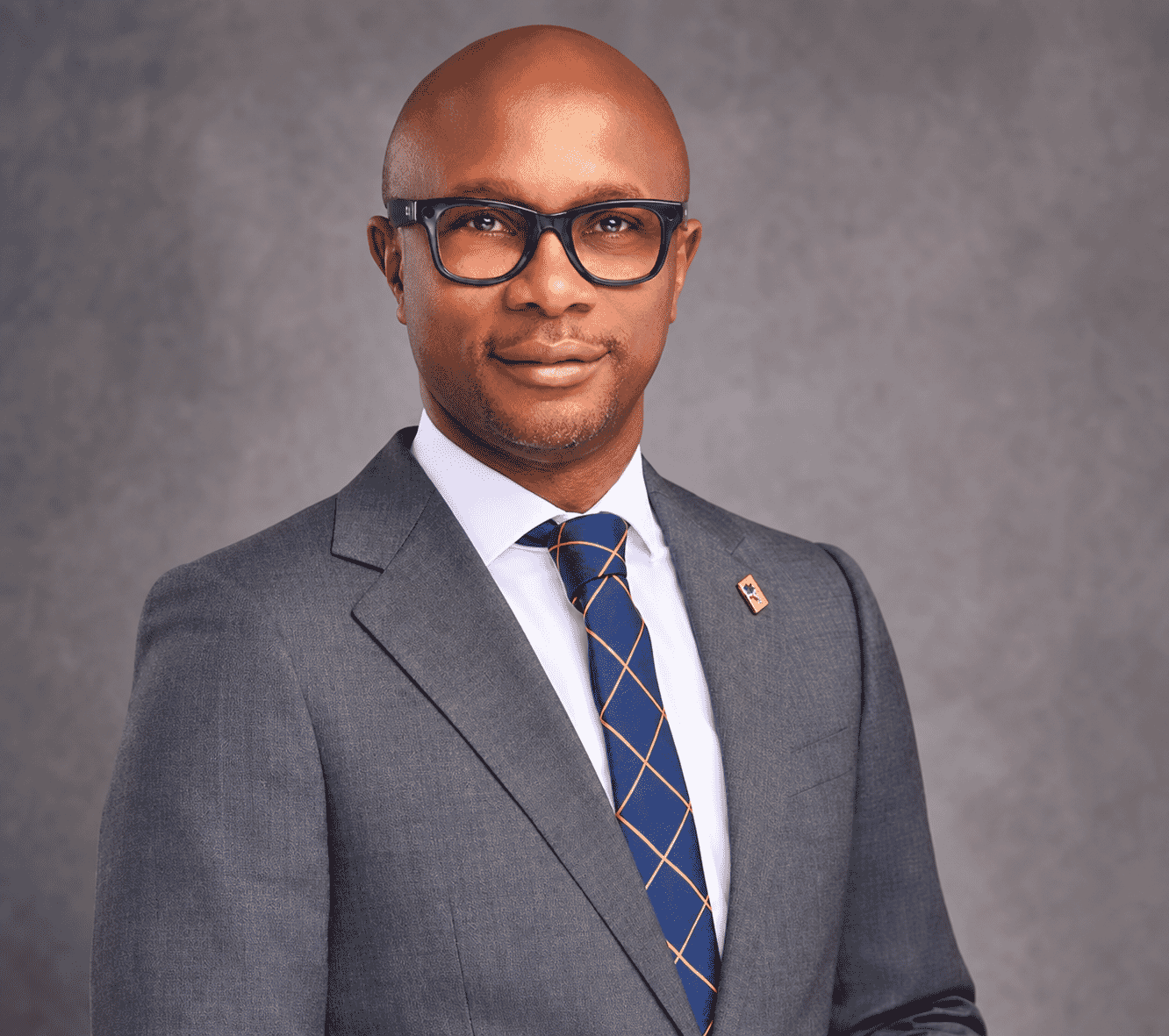 FirstBank Appoints Olayinka Ijabiyi as Head of Marketing and Corporate Communications