Karen Rasmussen, Apple’s vice president of the Apple Store online, framed the launch simply: “At Apple, we put the customer at the center of everything we do, and we’re thrilled that Apple Upgrade offers our customers, both online and in-store, a more flexible way to pay for the products they love.”
Why Apple Chose Leasing Right Now
Component costs are rising. Memory and storage chip prices have increased dramatically over the past year as AI chipmakers absorbed much of the available supply. Counterpoint Research data cited by major outlets shows those prices roughly quadrupled in some categories, forcing Apple and its peers to lift prices on Macs and iPads earlier in 2026 and raising expectations of higher iPhone prices this fall.
Leasing lets Apple keep selling premium hardware without forcing every buyer to write a four-figure check. Richard Kramer, analyst at Arete Research, put it bluntly: Apple will “absolutely” raise prices on the iPhone this fall, and the leasing program gives the company “seven ways to Sunday” customers can finance the purchase. Ron Johnson, who led Apple retail from 2000 to 2011, called the shift “kind of inevitable” because people are more comfortable with monthly bills.
The program also returns more devices to Apple at the end of each term. Those returned units can be refurbished or recycled, feeding Apple’s growing certified refurbished channel and reducing the company’s exposure to residual-value risk, which Klarna largely absorbs.
 iOS 27 Brings 8 Game-Changing Features Every iPhone Users Must Know
How Apple Upgrade Actually Works for Shoppers
You pick an eligible device, choose a lease term at checkout, and apply through Klarna. Approval uses a soft credit check that does not affect your score. No security deposit is required. The first payment is due about 30 days after you receive the device.
Lease terms are straightforward:- iPhone and Apple Watch: 12 or 24 months
- Mac and iPad: 24 or 36 months
- iPhone 17e: from $17.99 for 24 months
- iPhone 17 Pro 256GB: $31.99 for 24 months or $45.99 for 12 months
- Apple Watch Series 11: from $11.99 for 24 months
- 14-inch MacBook Pro: from $38.99 for 36 months
Trade in an eligible device through Apple Trade In and the credit lowers your monthly payment across the full term. Pay with Apple Card and you still earn 3 percent Daily Cash on the lease payments. AppleCare+ is optional but strongly recommended; without it, excess wear or damage can trigger fees when you return the device.
At the end of the lease you have three clean choices: return the device and upgrade into a new lease (subject to approval), pay a one-time purchase option fee and keep it, or simply return it and walk away. If you do nothing, the lease converts to month-to-month for up to six months and then forces the purchase option. Early termination after the first 14 days carries substantial fees equal to the remaining payments.
How This Differs From the Old iPhone Upgrade Program
Apple is sunsetting the iPhone Upgrade Program and its in-house iPhone Payments option in the United States. The older program, introduced in 2015, was essentially installment financing with an annual upgrade path and was limited to iPhones.
Apple Upgrade is a true consumer lease. You never own the device unless you exercise the purchase option. Payments are lower than equivalent financing because Klarna and Apple factor in residual value. The new program also covers Watches, Macs, and iPads with longer terms.
Carrier financing and Apple Card Monthly Installments remain available. Those routes still lead to ownership. Leasing deliberately does not.
Direct Impact on Everyday Buyers
Frequent upgraders win the most. Someone who wants a new iPhone every year or two can now treat the device more like a subscription. Total cash outlay over 24 months is lower than buying outright, and the upgrade path removes the friction of selling a used phone on the secondary market.
Buyers who keep phones for three or four years face a different calculation. Leasing means you never build equity. At the end you either pay the residual or start over. For those users, traditional financing or an outright purchase plus a later trade-in may still cost less over the long term.
Credit approval is not guaranteed. Soft pulls help, but Klarna still evaluates ability to pay. Residents of U.S. territories and certain payment cards (including some issued by American Express, Chase, and Capital One) are excluded. iPhones must be activated on AT&T, T-Mobile, or Verizon.
Practical Steps If You Are Considering a Lease
- Check current lease quotes on the Apple Upgrade page for the exact model you want.
- Run the Apple Trade In estimator first. A strong trade-in credit can drop a $32 monthly payment into the low twenties.
- Add AppleCare+ within 60 days if you plan to return the device; the damage-fee risk is real.
- Compare the total of all lease payments plus any purchase option against the cash price and against Apple Card Monthly Installments. The lease almost always looks cheaper month to month, but ownership math can flip for longer keepers.
- Existing iPhone Upgrade Program customers can finish their current term and then choose the new lease, Apple Card financing, or an outright purchase when they are eligible.
Read More
 Samsung Officially Releases One UI 9, But Most Galaxy Phones Won't Get It Now: Here's Why
 iPhone 18: 10 Cool Reasons It Could Be Your Dream iPhone
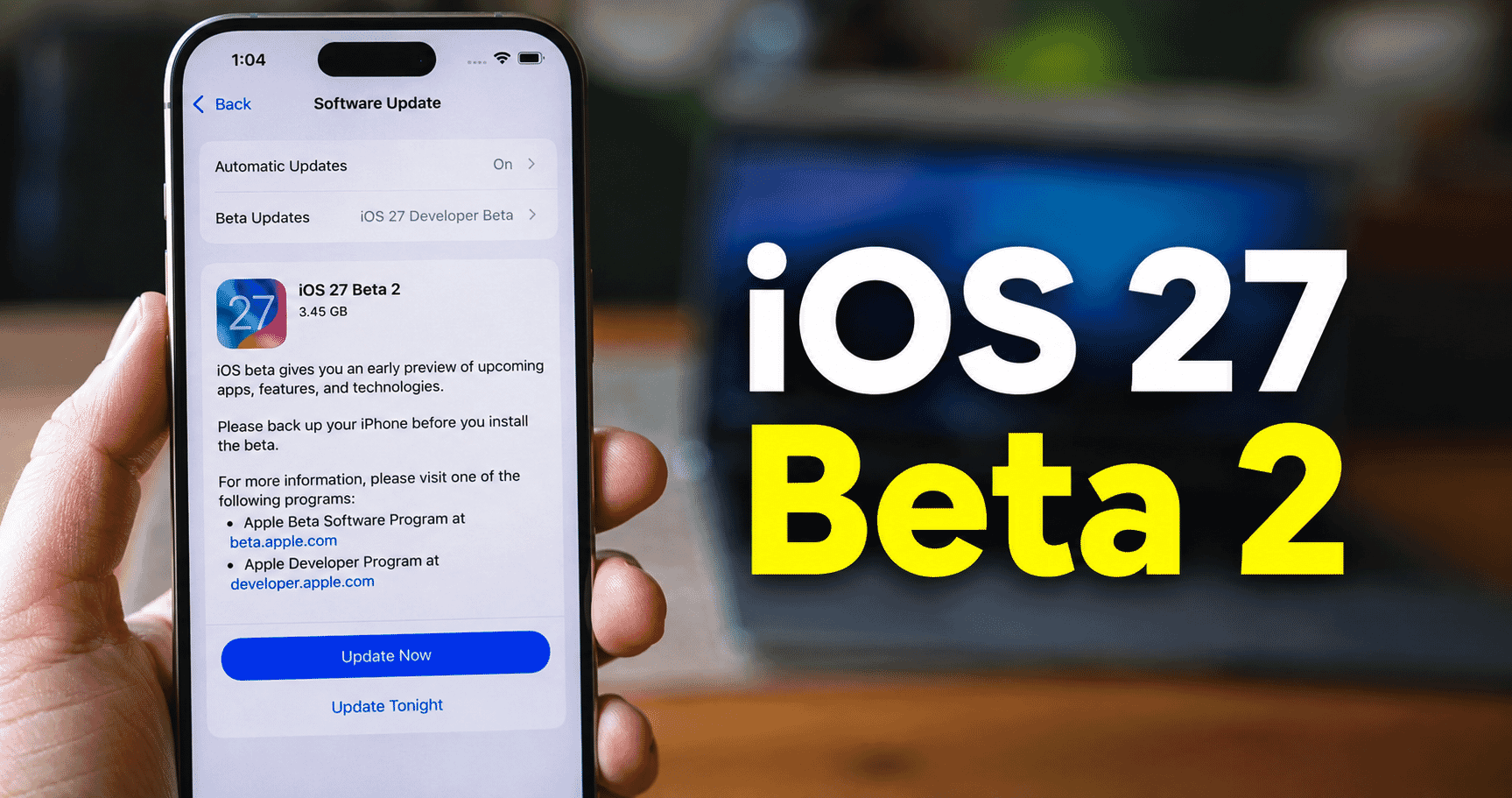 iOS 27 Beta 2 Features: Every New Change You Need to Know
 WhatsApp Users Can Now Spot a Block Using a Hidden Encryption Feature