The decision goes far beyond a simple software drop. It reflects Samsung’s hardware-first strategy for major One UI versions, the limits of its multi-year update commitments, and the practical realities of testing advanced Galaxy AI tools across vastly different chipsets and form factors. End users on last year’s flagships or older models feel the delay most acutely, while the industry watches how longer support promises clash with launch exclusivity.
What One UI 9 Actually Changes
Last year's release introduced the Fluid AI look that reshaped icons, widgets, and system menus. One UI 8.5 gave Galaxy phones a new look with Samsung's Fluid AI design, and One UI 9 keeps that look while focusing on new features, AI tools, and minor fixes rather than a redesign. Think of One UI 9 as the refinement pass, not the makeover.
The headline feature is Gemini Intelligence, Samsung's deepest Google AI integration yet. It can complete tasks across more than 40 apps, including shopping, restaurant bookings, travel, and event tickets. That's a meaningfully bigger scope than the voice-command-only Bixby routines Galaxy owners have used for years.
Smaller but genuinely useful changes round out the update. A redesigned Quick Panel now lets you adjust brightness, sound, and your media player independently instead of as one bundled tray, and a new tape tool inside Samsung Notes lets you cover and later reveal sensitive text, which is handy for studying or shielding private details in shared screenshots.
Game Booster also gets a heads-up display showing resolution, screenshot format, FPS, CPU load, and GPU load in real time. Game Booster now shows resolution, screenshot format, FPS, CPU usage, and GPU usage while you play, and a Blue Dot appears whenever an app checks your location.
One catch worth flagging early: Gemini Intelligence's app-automation features are not global yet. Gemini Intelligence's app automation only works in the US and Korea for now, in English and Korean. If you're outside those markets, the marquee AI feature of this entire release will sit dormant on your phone at launch.
Why Samsung Launched One UI 9 Only on New Foldables First
Samsung introduced One UI 9 first on the Galaxy Z Fold 8 series and Z Flip 8 because the software includes deep optimizations for those exact devices. Official Samsung materials state that One UI 9 “will first be introduced on Galaxy Z Fold8 Ultra, Galaxy Z Fold8 and Galaxy Z Flip8, then be gradually rolled out to other Galaxy devices.”
The new FlexWindow enhancements, Seamless Screen aspect-ratio adjustments, cover-screen wallpaper positioning, and My FanCam subject tracking are built around the unique dual-display and hinge mechanics of the latest foldables. Launching the stable build alongside the hardware lets Samsung ship a polished experience out of the box rather than risking early bugs on millions of existing phones.
This pattern is not new. Previous major One UI versions have also debuted with new flagships or foldables before expanding. The difference in 2026 is the heavier reliance on on-device AI processing. Features such as enhanced Now Nudge suggestions, Photo Assist voice-driven edits, and the AI Assistant Activity dashboard require more consistent hardware performance. Starting with the newest silicon reduces the risk of uneven experiences during the initial public release.
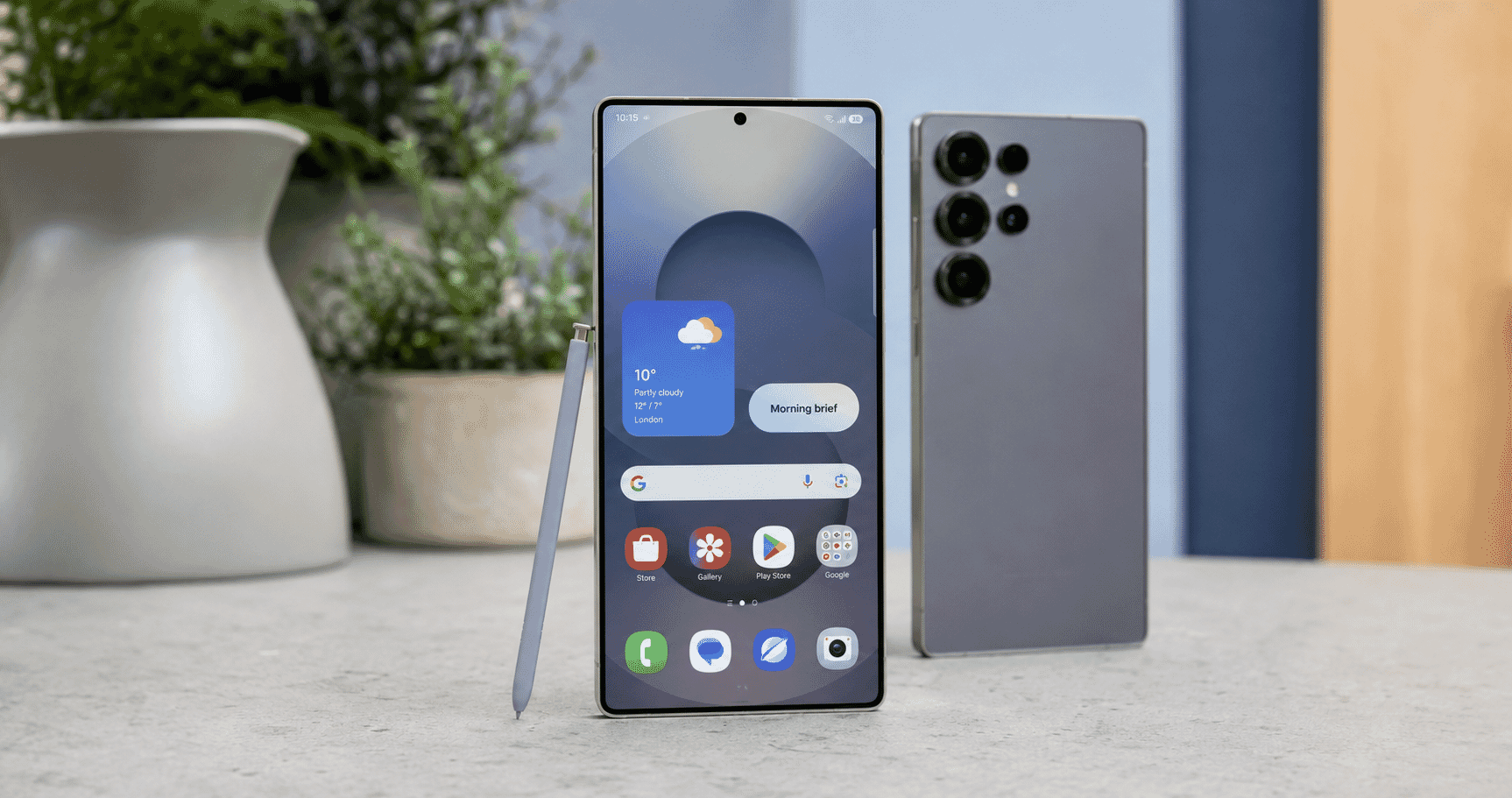 One UI 9: Full List of Samsung Devices Getting the Update Revealed
How the Staged Rollout Impacts Galaxy Users Right Now
Galaxy S26 owners who joined the public beta in May 2026 still cannot install the stable One UI 9 as of July 24. The update remains limited to the new foldables that went on sale after the Unpacked event.
Users of the S25, S24, and S23 series face even longer waits. Rollouts historically move by series, starting with the newest flagships, then previous-year models, then select mid-range devices. Region and carrier approval add further delays. A phone that receives the update in South Korea or the United States in August may not see it in other markets until September or later.
The practical impact is immediate. Owners of supported devices miss new privacy tools, refined Quick Panel customization, and Galaxy AI improvements until their turn arrives. Those on devices outside the support window receive nothing.
Samsung has not published an official public timeline for existing models, so any specific dates remain projections based on past patterns rather than confirmed company statements.
Which Galaxy Phones Will Eventually Get One UI 9 and Which Miss Out
Samsung has not released a complete official eligible-device list for One UI 9 beyond the three new foldables. Lists circulating from reliable trackers rest on Samsung’s established update policy. Flagships from the Galaxy S24 series onward receive up to seven major Android OS upgrades.
Devices released under the earlier four-year policy, including the entire Galaxy S22 series, Galaxy S21 FE, Galaxy Z Fold 4, and Z Flip 4, stop at One UI 8 and will not receive One UI 9.
Expected support, pending final Samsung confirmation, includes the Galaxy S23 through S26 series, Z Fold 5 through Z Fold 8, Z Flip 5 through Z Flip 8, select Galaxy A, M, and F models from recent years, and several Tab S9 through Tab S11 series tablets. Availability of advanced AI features will still vary by chipset, region, and language even on supported hardware.
Key One UI 9 Features Optimized for Foldables Versus Standard Phones
One UI 9 delivers meaningful upgrades, yet many of the most visible ones are foldable-first. Official Samsung documentation highlights improved FlexWindow controls that let users rearrange widgets, Quick Panel icons, and apps without unfolding the device. Seamless Screen adjusts aspect ratios smoothly between cover and main displays. My FanCam automatically reframes video around a chosen subject.
On standard phones the same update brings broader gains: smarter Now Nudge suggestions across keyboard and apps, Photo Assist that accepts spoken or written editing commands, an expanded Now Brief with richer personalization, AI Assistant Activity logging, stronger Privacy Alerts, and a unified Warranty and Care hub. Security improvements include clearer visibility into AI agent actions and tighter on-device data handling through Knox and the Personal Data Engine.
The contrast matters. Foldable owners experience the full suite on day one. Standard phone owners receive a solid but incomplete version until their devices catch up, and some AI tools may remain limited or absent on older chipsets even after the update arrives.
Comparing One UI 9 Rollout to Previous Samsung Updates
Samsung’s approach mirrors its handling of One UI 8 and One UI 7, both of which reached new hardware or high-priority flagships first before expanding. The difference this cycle is the scale of the AI feature set and the clearer divide created by the seven-year support promise introduced with the S24 series.
Google’s Pixel strategy offers a useful contrast. Pixel devices typically receive Android updates more simultaneously across recent generations because the hardware range is narrower. Samsung’s much larger and more varied portfolio forces the staged model. The result is faster innovation on new form factors at the cost of temporary fragmentation for the broader user base.
 iOS 27 Brings 8 Game-Changing Features Every iPhone Users Must Know
 iPhone 18: 10 Cool Reasons It Could Be Your Dream iPhone
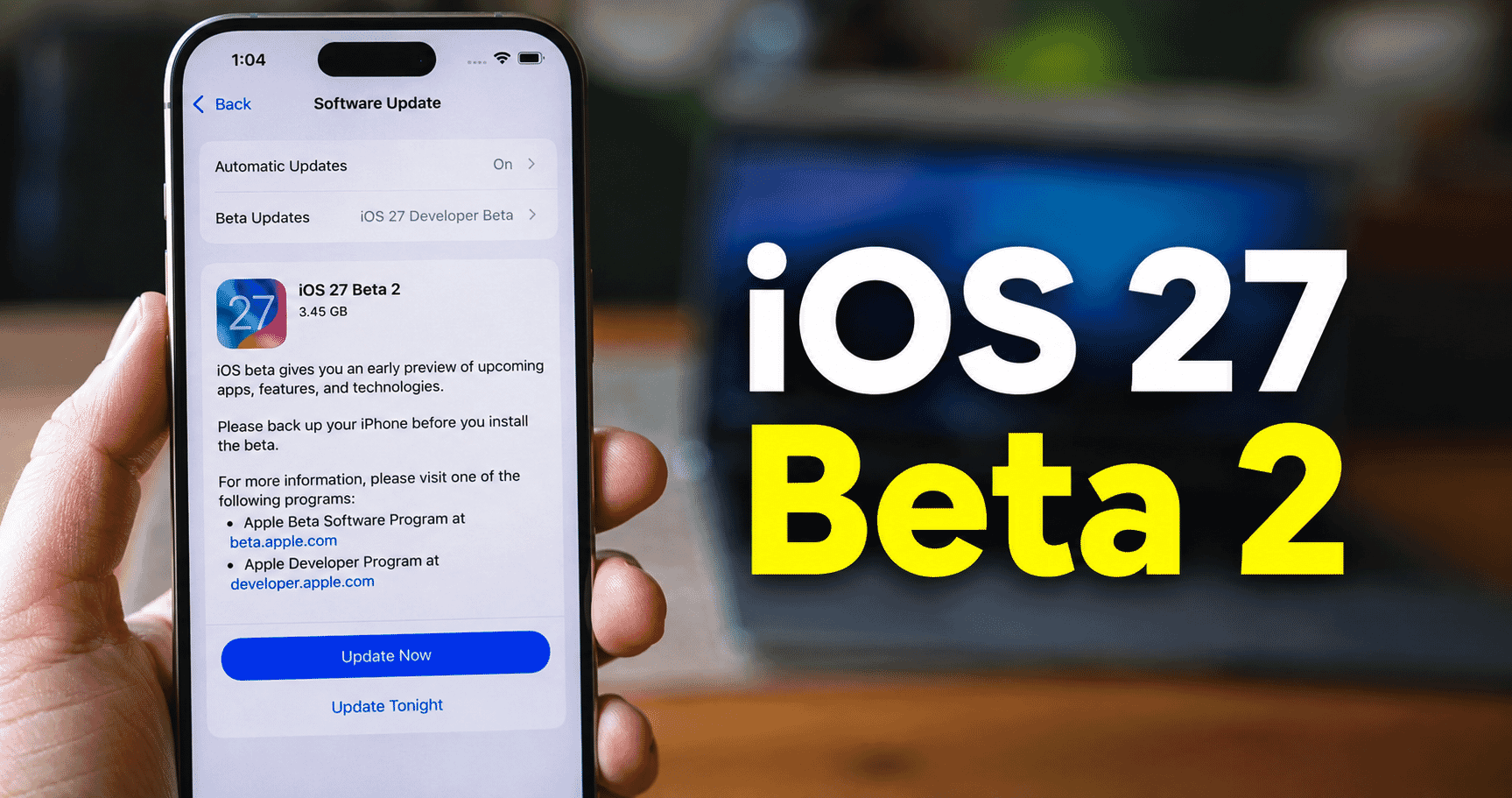 iOS 27 Beta 2 Features: Every New Change You Need to Know
 WhatsApp Users Can Now Spot a Block Using a Hidden Encryption Feature