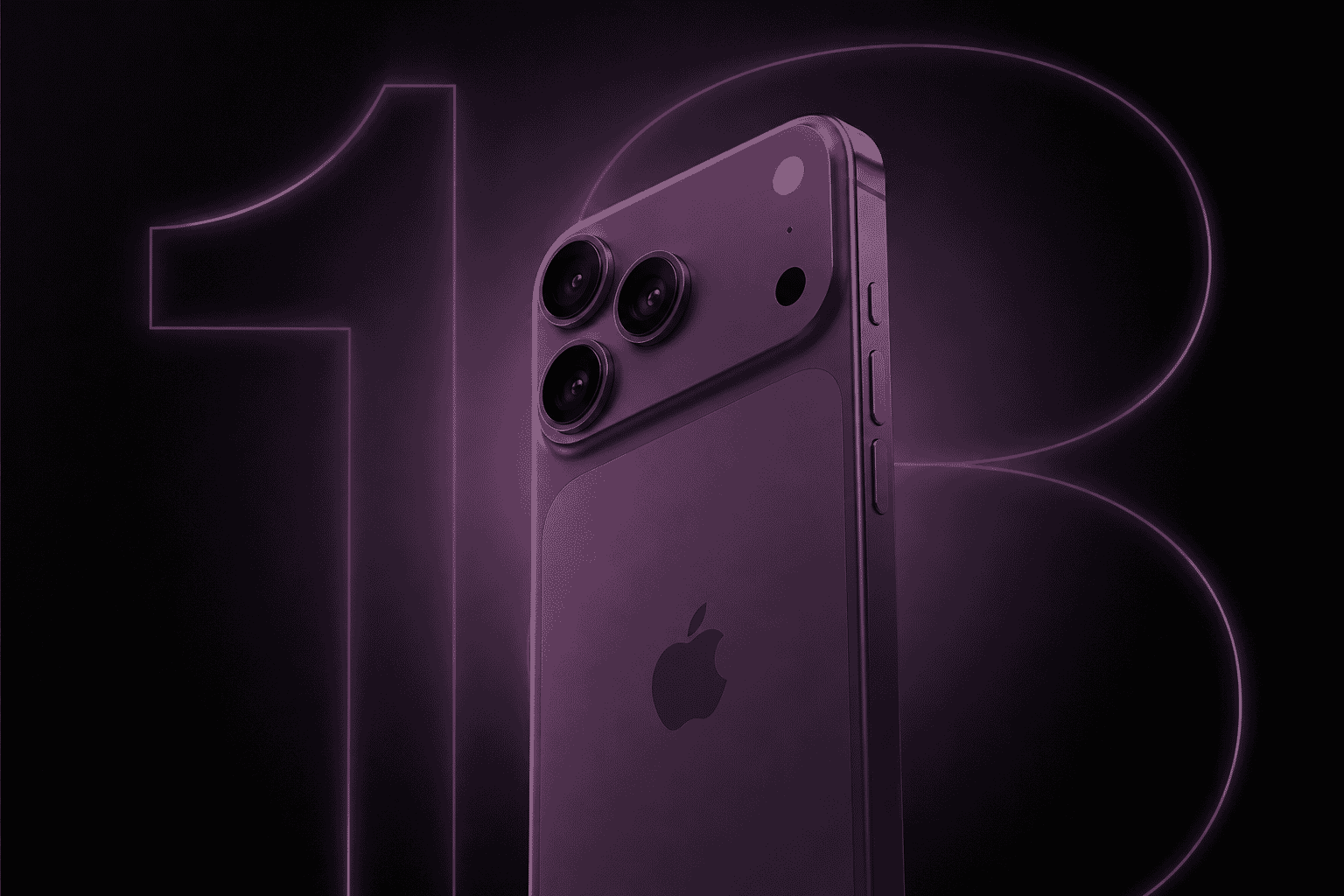
Apple is breaking from a decade of habit. Instead of one September lineup, the company will release the iPhone 18 Pro, iPhone 18 Pro Max and a first-ever foldable iPhone this September, then hold the standard iPhone 18 and iPhone 18e back until spring 2027. Here is why that split matters, and why this generation could be the one longtime holdouts finally upgrade for.
Why Apple Is Splitting the iPhone 18 Launch
For the first time in years, Apple will not ship four new iPhones together. The more expensive Pro and Fold models launch in fall 2026, while the more affordable iPhone 18 and iPhone 18e arrive in spring 2027.
That means anyone loyal to the standard model faces a longer wait. If you typically buy a standard iPhone model, you won't be able to get a new one this fall, because Apple is saving its less expensive iPhone models for the spring release instead.
The trade-off is strategic. Apple gets two high-profile launch moments in twelve months instead of one, stretching headlines and retail traffic across two seasons.
The Foldable iPhone Finally Arrives
The headline device this fall is not a Pro model at all. It is Apple's first foldable phone, expected to be marketed as the iPhone Fold or iPhone Ultra.
Pricing will sting. Industry trackers expect the foldable to land upwards of $2,000, putting it well above every iPhone Apple has sold to date.
That price tag puts Apple in direct competition with Samsung's long-running foldable line, years after rivals first proved the format. Apple typically arrives late to a category and then redefines pricing expectations around it, as it did with wearables and tablets.
A 2-Nanometer Chip Changes the Performance Math
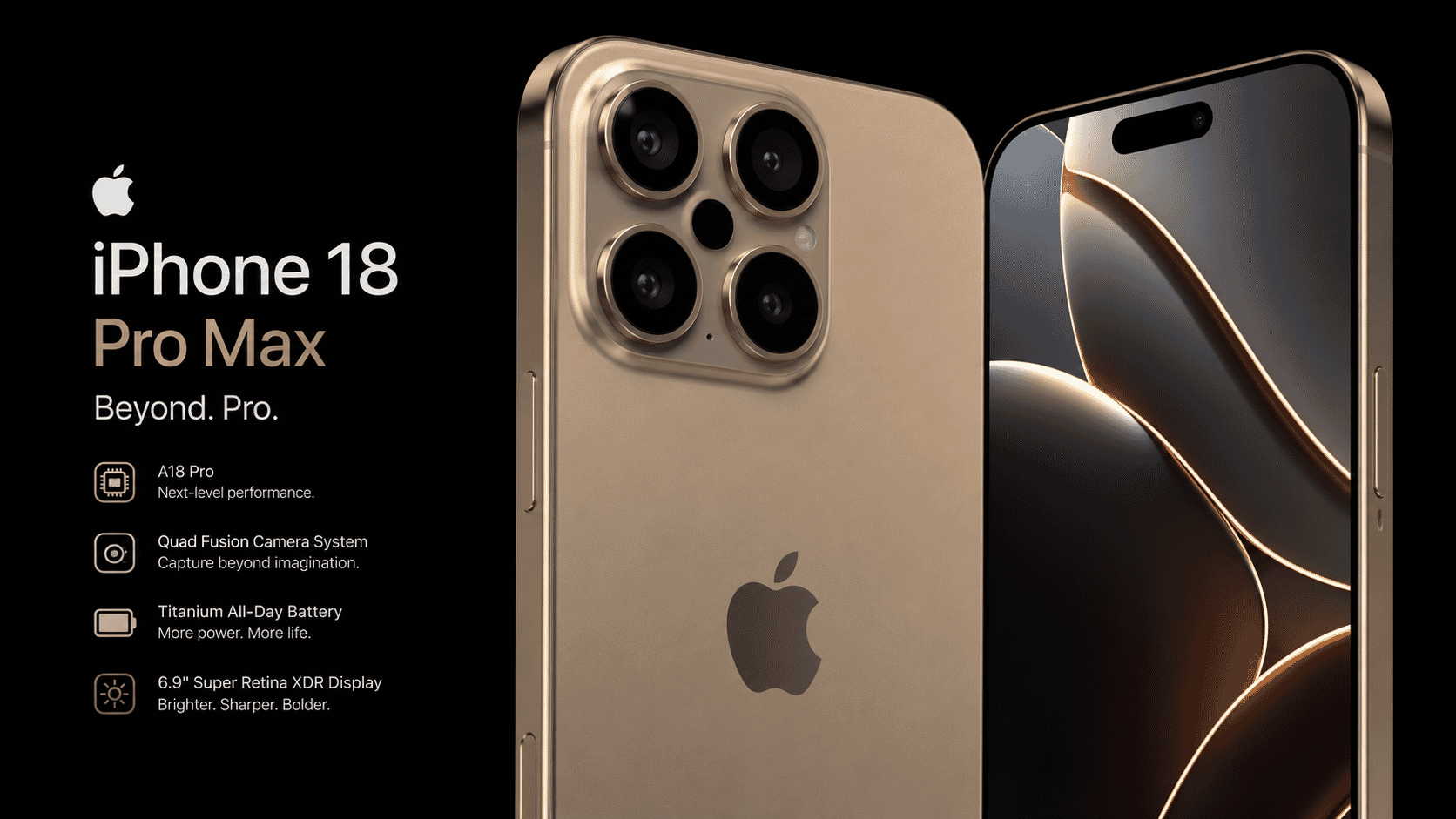
Inside the Pro models sits the A20 Pro, Apple's first chip built on a 2-nanometer process. The current generation runs on a 3-nanometer process, so the jump to 2-nanometer manufacturing represents a meaningful step down in transistor size.
 iOS 27 Beta 2 Features: Every New Change You Need to Know
Smaller transistors typically mean two things at once: more processing headroom and less power draw. The chips are expected to deliver performance and efficiency improvements, extending battery life without slowing the phone down.
The standard iPhone 18 and 18e are expected to share the underlying silicon. Both could adopt the same 2-nanometer A20 chip, while the foldable model is also expected to use it, and the Pro and Pro Max models could get an A20 Pro variant. That would mark unusually broad chip parity across Apple's lineup.
Battery Life Could Hit a New Apple Record
Apple has chased battery longevity aggressively this cycle. The iPhone 18 Pro Max is rumored to carry a battery exceeding 5,000 mAh, possibly reaching 5,200 mAh in some configurations.
Specific numbers are now circulating for both Pro models. One detailed breakdown puts the Pro's battery at a confirmed 4,288 mAh, with the Pro Max landing between roughly 5,100 and 5,200 mAh.
Combine that capacity with the A20 Pro's efficiency gains and a more advanced display panel, and Apple may be sitting on its longest-lasting iPhone ever. Engineers are pairing the chip with LTPO+ display technology, a combination that could translate into the strongest battery life ever seen on an iPhone.
Siri Gets Rebuilt With Help From Google Gemini
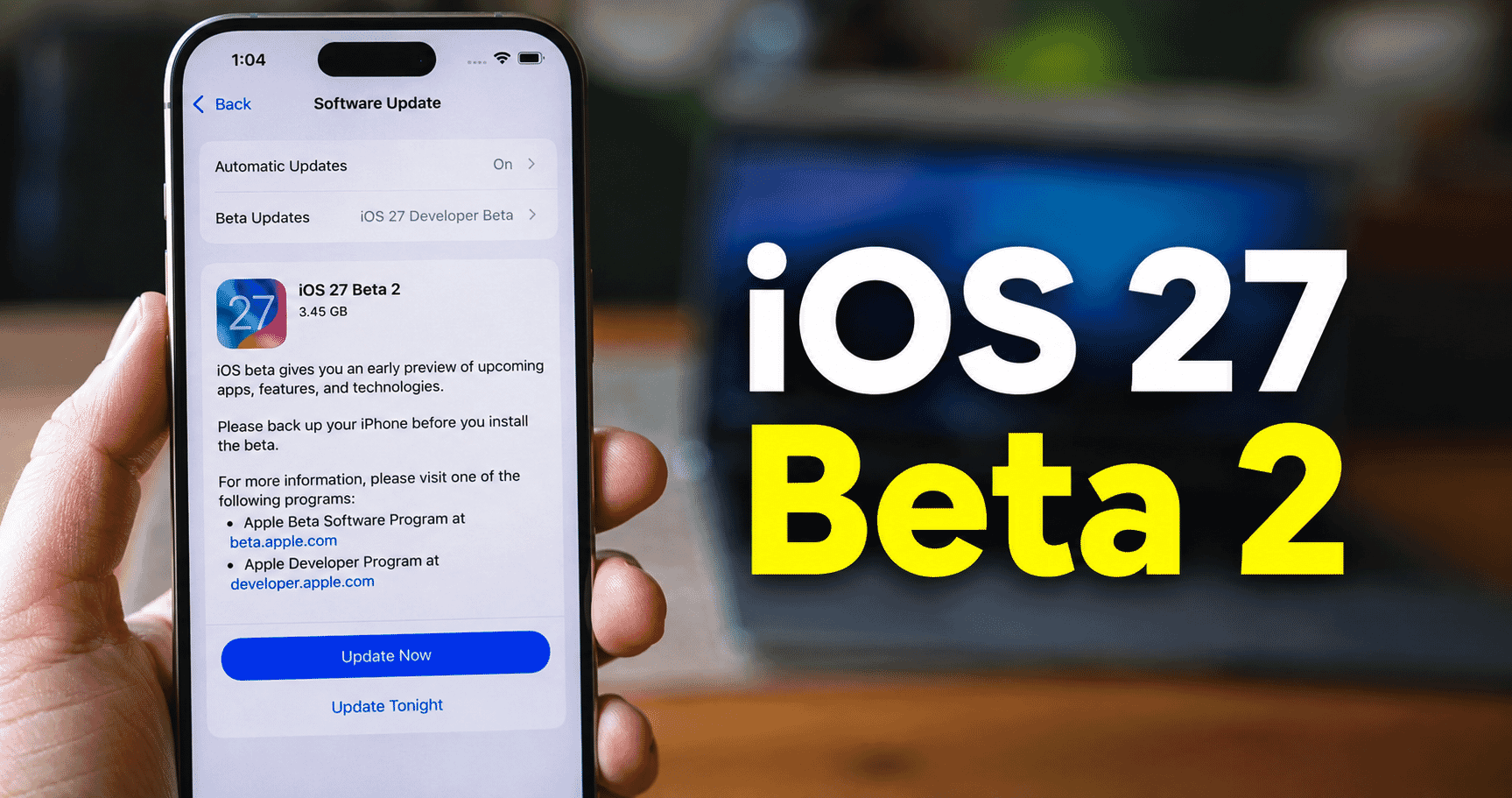
The software story is arguably bigger than the hardware. Apple confirmed at WWDC 2026 that iOS 27 brings a complete Siri overhaul, officially powered by Google Gemini, complete with a new app, a redesigned interface and a new Ask Siri button.
That is a striking admission from Apple, which has spent years building its own AI stack. Turning to a rival's model to fix Siri signals how far behind Apple's in-house assistant had fallen against ChatGPT and Gemini in daily usability.
The upgraded assistant is expected to do more than answer questions. Apple's upgraded Siri will be able to understand on-screen content, process natural language more deeply, and perform actions inside apps, positioning the iPhone 18 Pro as a key hardware platform for Apple Intelligence.
The Dynamic Island Finally Shrinks
Apple has used the same notch-turned-pill design since the iPhone 14 Pro. That changes with the iPhone 18 Pro line.
Reports point to a smaller Dynamic Island, made possible by Face ID components moving further under the display, with one outlet claiming the cutout could shrink by almost 50 percent. Recent leaks go further, suggesting Apple already solved the engineering problem. A newly leaked image shows tempered glass screen protectors for the iPhone 18 Pro and Pro Max that appear to confirm Apple has, in fact, managed to shrink the cutout.
Not every rumor about under-display Face ID survived, though. Full under-display Face ID has reportedly been confirmed off the table for this generation, meaning Apple shrank the visible cutout without eliminating it entirely, a more conservative engineering path than initially rumored.
Whether the standard iPhone 18 gets the same treatment is still unresolved. There is no confirmation yet about whether the base iPhone 18 model, due out in early 2027, will also feature the smaller Dynamic Island.
A New Color and Camera Upgrades Worth Noticing
Color has become a quiet differentiator for Apple's marketing each cycle. A "Dark Cherry" shade is repeatedly mentioned across leaks, alongside Light Blue, Dark Gray and Silver variants, with Apple reportedly aiming for a cleaner rear design and a more unified finish between glass and aluminum.
Camera hardware is moving forward too, though incrementally rather than dramatically. Camera upgrades expected this generation include variable aperture support and 24-megapixel selfie cameras.
Connectivity is also being modernized under the hood. The lineup is widely expected to include Apple's own C2 modem and an N2 connectivity chip succeeding the N1, adding support for Wi-Fi 7 and Bluetooth 6.
Memory Upgrades Across the Entire Lineup
RAM has historically been one of the clearest Pro-versus-standard dividing lines. That gap appears to be narrowing.
The standard iPhone 18 could be upgraded to 12GB of RAM in 2026, which would put every iPhone 18 model, including the foldable, at the same 12GB RAM tier. For a company that has long reserved its best memory configurations for Pro buyers, that would be a notable leveling of the playing field.
Why Prices Are Likely Going Up, According to Tim Cook
The most consequential quote of this news cycle did not come from a leaker. It came from Apple's own leadership.
Outgoing Apple CEO Tim Cook recently said in an interview that the company would be forced to increase prices due to the ongoing memory crisis affecting the broader tech industry. That is a rare on-record admission tying a future iPhone price hike to a named, verifiable supply chain pressure rather than vague market speculation.
Cook's comment lands at an awkward moment for the Pro line specifically. Price hikes are likely coming sooner than expected, and they could make the iPhone 18 Pro a harder sell if its design improvements do not feel substantial enough over the iPhone 17 Pro.
Why the iPhone 17's Success Sets a High Bar
Apple's current generation is not struggling, which raises the stakes for its successor. The iPhone 17 series has been a massive commercial success worldwide and topped sales charts this year, according to Counterpoint Research.
That success cuts both ways. A hit iPhone 17 gives Apple leverage heading into a pricier lineup, but it also means the iPhone 18 Pro has to clear a higher bar to justify itself as more than a modest refresh.
One widely circulated rumor claiming Apple delayed the iPhone 18 because of iPhone 17 demand has already been debunked. The iPhone 17 is doing incredibly well for Apple, but a leaker's claim that the iPhone 18 launch was moved because of that demand is simply inaccurate.
The Bigger Plan: Apple's Three-Year Design Roadmap
None of this is happening in isolation. Apple is reportedly executing a multi-year design arc that started with last year's overhaul.
Apple has a three-year plan for the iPhone that began with the redesigned iPhone 17 Pro models last year, continues with the iPhone 18 Pro's smaller Dynamic Island this year, and is expected to culminate in the iPhone 20 Pro alongside the iPhone Air and a foldable iPhone Ultra.
Apple's stated end goal is even more ambitious than this year's tweaks suggest. The company wants the iPhone 20 Pro to feature a borderless, bezel-free display with no cutouts at all, whether Dynamic Island, punch hole or otherwise. Seen through that lens, the iPhone 18 Pro is not the finished vision. It is the midpoint of a longer bet that the smartphone's face should eventually disappear entirely behind glass.
That context reframes everything else in this lineup. The foldable, the shrunken cutout, the Gemini-powered Siri and the looming price increase are not isolated headlines. They are checkpoints in a roadmap Apple set in motion years ago, one that will not fully reveal itself until the iPhone 20 arrives.
Read More
-
![Whatsapp Encryption Feature]() WhatsApp Users Can Now Spot a Block Using a Hidden Encryption Feature
WhatsApp Users Can Now Spot a Block Using a Hidden Encryption Feature -
![Samsung Galaxy device]() One UI 9: Full List of Samsung Devices Getting the Update Revealed
One UI 9: Full List of Samsung Devices Getting the Update Revealed -
![whatsapp text view once]() WhatsApp View-Once Mode Expands to Text Messages on iOS and Android, Blocking Screenshots and Forwards
WhatsApp View-Once Mode Expands to Text Messages on iOS and Android, Blocking Screenshots and Forwards -
![iPhone 18 Pro Max]() iPhone 18 Pro Max Confirmed Leaks Reveal Features No iPhone Has Ever Had
iPhone 18 Pro Max Confirmed Leaks Reveal Features No iPhone Has Ever Had
 WhatsApp Users Can Now Spot a Block Using a Hidden Encryption Feature
 One UI 9: Full List of Samsung Devices Getting the Update Revealed
 WhatsApp View-Once Mode Expands to Text Messages on iOS and Android, Blocking Screenshots and Forwards
 iPhone 18 Pro Max Confirmed Leaks Reveal Features No iPhone Has Ever Had