
What The CLARITY Act Actually Does
The bill splits every digital asset into three buckets: securities, commodities, or stablecoins. A digital commodity is defined as a digital asset whose value is substantially derived from the use and functioning of its underlying blockchain, explicitly excluding securities, derivatives, and stablecoins.
That single definition rewrites who regulates your trades. The bill hands the Commodity Futures Trading Commission exclusive jurisdiction over spot and cash market transactions in digital commodities, covering the centralized exchanges that dominate crypto trading today. Securities stay with the SEC. Stablecoins get shared oversight from both agencies.
This is not a theoretical fix. In March 2026, the SEC and CFTC jointly classified sixteen major tokens, including Bitcoin, Ethereum, XRP, and Solana, as digital commodities, but that classification was only an interpretation, not law. A change in leadership at either agency could reverse it overnight. CLARITY would lock that split into statute, giving traders a rulebook that survives the next election instead of a policy memo that doesn't.
Why This Bill Exists: The Regulation-By-Enforcement Problem
For years, the SEC decided which tokens were securities through lawsuits, not legislation. Exchanges never knew if a listing decision today would trigger an enforcement action tomorrow. That uncertainty pushed trading volume, developer talent, and venture capital offshore.
The CLARITY Act ends that guessing game by writing classification criteria into federal law. Registered entities must submit to comprehensive customer asset segregation rules and are barred from using customer funds for blockchain services like staking unless the customer explicitly directs it.
That single provision addresses the exact failure mode that sank FTX and Celsius, where customer deposits vanished into undisclosed trading and lending activity.
The House Already Said Yes. The Senate Is The Holdup
This bill has already survived one full chamber. The House passed the Digital Asset Market Clarity Act on July 17, 2025, by a 294-134 vote, with every Republican and 78 Democrats supporting it, making it the most bipartisan crypto legislation ever to clear one chamber of Congress.
The Senate is a different fight. The Senate Banking Committee advanced its version 15-9 on May 14, 2026, with all 13 Republicans joined by two Democrats, though those Democrats warned their committee votes didn't guarantee floor support without further changes. Getting past committee is the easy part. Getting to 60 votes on the floor is the actual test.
Do the math and the problem is obvious. Republicans hold 53 Senate seats, Josh Hawley and Rand Paul are expected to vote no on substantive grounds, and only Ruben Gallego of Arizona and Angela Alsobrooks of Maryland among Democrats have backed the bill, both with conditions attached. That leaves the bill several votes short of cloture unless more Democrats come on board.
Three Disputes Are Blocking A Floor Vote
Stablecoin yield is fight number one. Draft language released January 12, 2026, bars digital asset providers from paying interest or yield simply for holding stablecoin balances, while still permitting activity-linked rewards, a compromise carried into the May 12 bill text. Yield-farming platforms and stablecoin issuers are lobbying hard on exactly where that line sits.
Ethics provisions are fight number two, and they turned personal fast. An updated version of the bill bans presidents and other federal officials from issuing or sponsoring cryptocurrency, a direct response to sitting officials' crypto ventures. Democrats who back the concept still object to putting the Justice Department in charge of enforcing it.
Illicit finance rules are fight number three. Senator Cynthia Lummis has pushed back publicly on claims the bill goes soft on crime. She's pointed to more than 16 illicit finance safeguards written into the text, including applying Bank Secrecy Act and anti-money laundering rules to crypto, new sanctions targeting Iran, and authority for exchanges to freeze suspect funds.
Why This Matters More Than Past Crypto Bills
Compare this to the SEC's old "sufficiently decentralized" test, which never had a statutory definition and shifted with every enforcement case. CLARITY replaces that ambiguity with fixed criteria Congress actually voted on.
The bill also codifies a secondary market reclassification principle, so tokens traded on exchanges get treated as commodities regardless of how they were originally issued, closing a loophole that let regulators treat the same token differently depending on which market it traded on.
It also goes further than the stablecoin-only GENIUS Act passed earlier. That law fixed one corner of the market. CLARITY attempts the whole map, covering exchanges, brokers, dealers, custodians, and DeFi protocols in one statute.
The May 12 bill text added new provisions for a DeFi trading protocol framework and an insolvency safe harbor for digital commodity transactions, provisions that didn't exist in earlier drafts and directly affect how decentralized platforms would need to register or disclose risk.
What It Means For Crypto Traders Right Now
Regulatory certainty moves capital before it moves headlines. Traders who expected Senate passage before the July 4 recess bought digital assets on that expectation; when the vote didn't happen, the same investors cut risk exposure and took profits.
That pattern will likely repeat around the late-July window, so expect elevated volatility tied to headlines about cloture votes, not just token fundamentals.
Exchange access is the next thing to watch. If CLARITY becomes law, digital commodity exchanges, brokers, and dealers would need to provisionally register with the CFTC within 180 days of enactment.
Traders on unregistered or offshore platforms could face a shrinking list of U.S.-facing venues as firms scramble to comply or exit the market.
Token listings could expand meaningfully. With a statutory commodity definition in place, exchanges gain legal cover to list a broader range of tokens without fearing a retroactive securities enforcement action. That's the single biggest reason exchanges like Coinbase and Kraken have lobbied so aggressively for passage.
The Realistic Deadline And What Happens If It Slips
Brian Gardner, chief Washington policy strategist at Stifel, has said the bill probably needs to clear the Senate by the end of July, warning that missing the August recess would cause its prospects to deteriorate materially. Beacon Policy Advisors has been blunter still, suggesting a miss could end the bill's 2026 path entirely.
Even a Senate win isn't the finish line. The House would still need to approve whatever version the Senate passes, and the bill would then need a presidential signature, with reporting noting the president has previously declined to sign other popular legislation. Any of those steps can stall the timeline into 2027, pushing the regulatory clarity traders are pricing in even further out.
Open Questions Nobody Can Answer Yet
Several details remain genuinely unresolved, and any source claiming certainty here is guessing. It's not confirmed how the Senate Banking Committee's version will reconcile with the Senate Agriculture Committee's companion Digital Commodity Intermediaries Act, since the two committees have jurisdiction over different pieces of the market.
It's also unconfirmed whether Senate leadership will schedule a cloture vote before the August recess at all, given competing floor priorities including a FISA Section 702 reauthorization and the annual defense authorization bill. Finally, no one can say yet whether the president would sign a final version that reaches his desk, given his mixed record on other legislation this year.
Where This Leaves The Market
The CLARITY Act is not dead, but it is no longer a formality. Treat every headline about cloture motions and committee reconciliation as a market-moving event through early August, because that's exactly how traders have treated it so far.
Watch three things specifically: whether Thune schedules floor time before recess, whether any additional Democrats sign on, and whether the ethics provision gets rewritten to satisfy holdouts.
 iOS 27 Brings 8 Game-Changing Features Every iPhone Users Must Know
 iPhone 18: 10 Cool Reasons It Could Be Your Dream iPhone
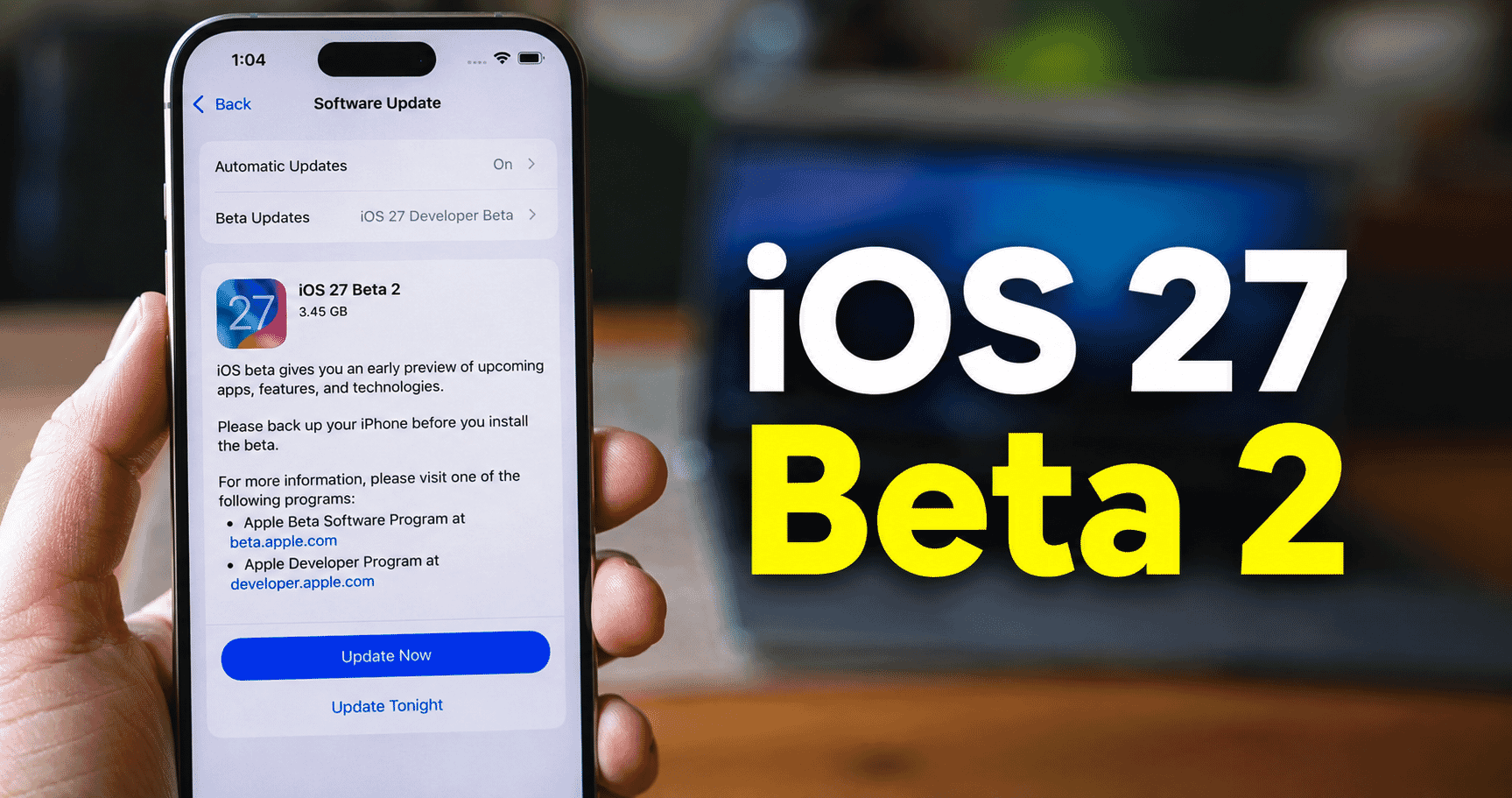 iOS 27 Beta 2 Features: Every New Change You Need to Know