This move establishes a coordinated framework across agencies without creating a new bureaucracy. It addresses fragmented oversight that exposed Nigerians to fraud, money laundering, and revenue losses in a market that saw $92.1 billion in formal virtual asset transactions from July 2024 to June 2025.
Why Tinubu Acted Now: Closing Gaps in a High-Stakes Market
Nigeria leads Sub-Saharan Africa in crypto activity, yet much of it operates offshore or informally. Regulators previously operated in silos, leaving loopholes that scammers exploited and making enforcement difficult.
The order tackles these issues head-on. It creates the Virtual Asset Council, chaired by the Central Bank of Nigeria (CBN), with the Nigeria Revenue Service (NRS) and Securities and Exchange Commission (SEC) as vice-chairs. Other members include the Nigerian Financial Intelligence Unit and the Office of the National Security Adviser.
A new Virtual Asset Office at the CBN serves as the operational hub for information sharing and a shared supervisory technology platform. This setup preserves each agency’s statutory roles while eliminating overlaps.
 Bitcoin Price Analysis July 2026: BTC Claws Back Toward $65,000 as the Fed Verdict Looms
For everyday Nigerians, clearer rules mean better protection against fraudulent operators who have cost families their savings. Compliant platforms could offer safer on-ramps, custody, and payment services using stablecoins and other tools that many already rely on for remittances, hedging inflation, and cross-border trade.
Industry players gain a predictable environment to innovate, test products in a regulatory sandbox planned by the CBN, and potentially bring more activity onshore instead of losing fees and liquidity to foreign platforms.
How the Framework Divides Responsibilities
The order draws a clear line between asset types. The SEC continues regulating virtual assets classified as securities. The CBN oversees payments, settlements, custody, and non-security virtual assets such as currency-pegged stablecoins and payment tokens.
Where jurisdiction is unclear, the Council decides. Registration requirements depend on the specific activity. NRS will roll out targeted tax policies to encourage compliance.
This distinction builds on the Investments and Securities Act 2025, which formally recognized digital assets as securities and empowered the SEC.
How This Compares to Nigeria's Earlier Crypto Crackdowns
Unlike the U.S. approach, which has seen ongoing debates between the SEC and CFTC, or emerging frameworks in places like Pakistan that incorporate Sharia considerations, Nigeria opts for coordination among existing bodies rather than a single new authority. This avoids heavy new bureaucracy while addressing local realities like FX constraints and high youth adoption.
Impacts on Users, Businesses, and the Broader Economy
End-users benefit from stronger consumer protections, KYC/AML standards, and reduced scam risks. Businesses, especially VASPs, face mandatory registration but gain legitimacy and access to banking rails under clearer guidelines.
The $92.1 billion transaction volume (formal market only) highlights massive potential. PwC data shows Nigeria far outpaces regional peers, driven by a young, tech-savvy population using crypto for practical needs amid inflation and dollar shortages.
What It Means for Exchanges and Crypto Startups
For registered virtual asset service providers, the pitch is less friction. A more coordinated regulatory environment could reduce uncertainty for startups that previously had to navigate multiple regulators with overlapping mandates.
But coordination is not the same as easy. The SEC has framed capital requirements as basic financial hygiene, arguing operators handling other people's money should be able to prove they can absorb shocks. Industry critics counter that smaller Nigerian startups without international backing may struggle to raise the required ₦2 billion and could get squeezed out in favor of bigger, foreign-backed platforms.
That criticism deserves its own headline, honestly. If the practical effect of "coordination" is that only well-capitalized, often foreign-backed exchanges can clear the bar, Nigeria risks consolidating its crypto industry into fewer hands right as it claims to be protecting ordinary users. Seven companies, including Bitbarter Technologies, Luno Fintech Nigeria, GetEquity, Koinkoin Global Network, Wrapped CBDC, Trovotech and Blockvault Custodian, have already been admitted into the SEC's regulatory sandbox program, giving an early sense of who is positioned to clear the new bar and who is not.
Open Questions
A few things remain genuinely unconfirmed, and any coverage claiming certainty here is getting ahead of the facts.
Jurisdiction in practice. It is not yet clear how disputes between the CBN and SEC over hybrid assets, like tokenized securities or stablecoins used as payment rails, will actually get resolved when the council disagrees internally.
The pending Senate bill. Whether the Virtual Asset Service Providers Regulation Bill, 2026, gets folded into this executive framework, overridden by it, or passed as a separate parallel law is undecided. Senator Tahir Monguno has warned that without clearer rules, the market could become harder to monitor if activity moves underground, echoing the exact 2021 pattern this order is trying to avoid.
Existing ARIP licensees. How the seven-plus companies already inside the SEC's sandbox get treated once the CBN-chaired council starts issuing its own guidance has not been detailed publicly.
Capital requirement fallout. Whether the ₦2 billion threshold gets revisited to protect smaller local startups, or stays as is and consolidates the market toward larger players, is a live policy fight, not a settled outcome.
What Happens Next
Watch three dates. The Senate Committee on Capital Market's report is expected within weeks. The January 2026 crypto tax regime is already live and testing enforcement without full licensing clarity. And the Virtual Asset Council's first policy outputs, likely joint SEC-CBN guidance on classification, will be the real test of whether this order changes daily reality or just adds a new acronym to Nigeria's regulatory alphabet soup.
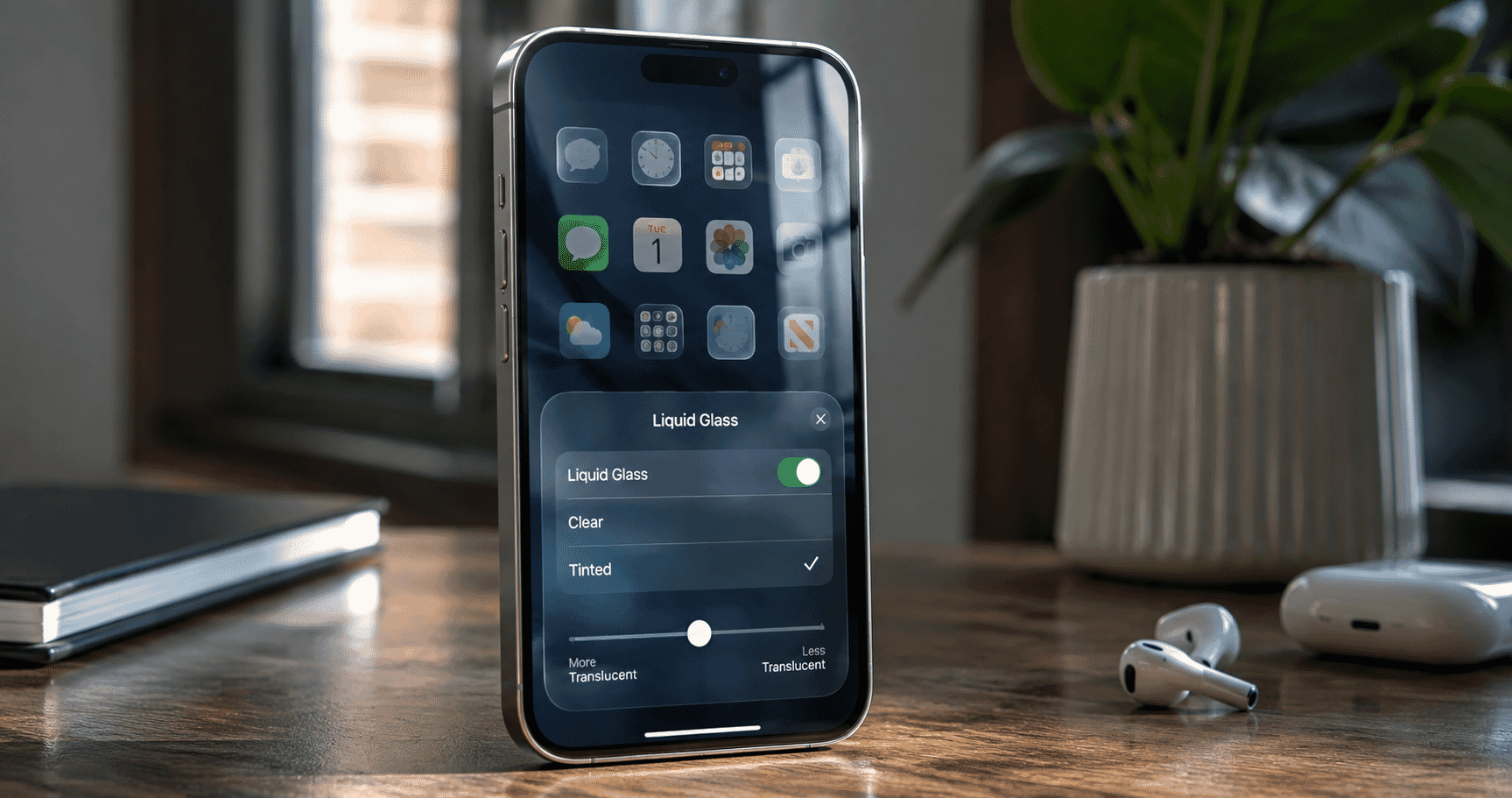 iOS 27 Brings 8 Game-Changing Features Every iPhone Users Must Know
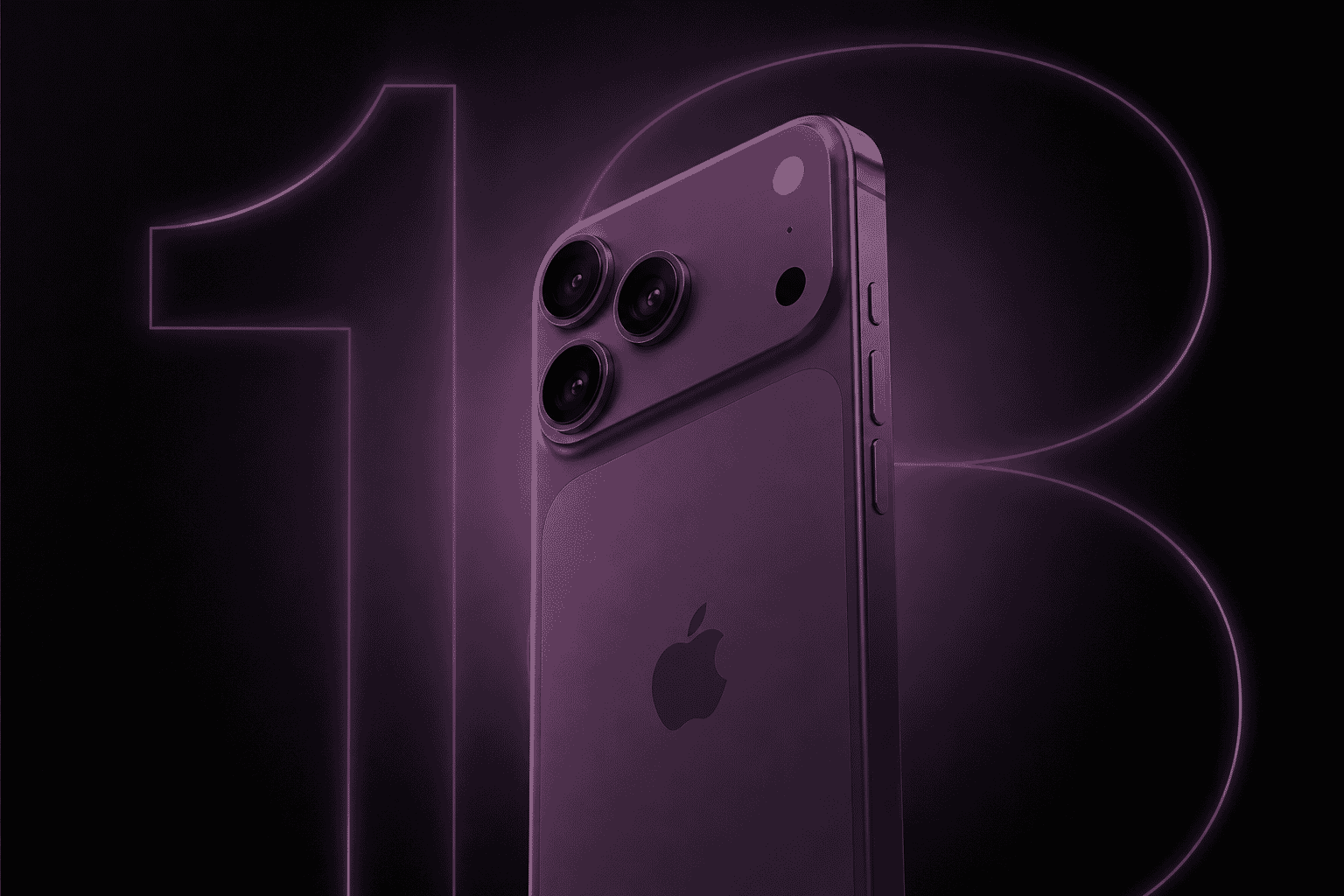 iPhone 18: 10 Cool Reasons It Could Be Your Dream iPhone
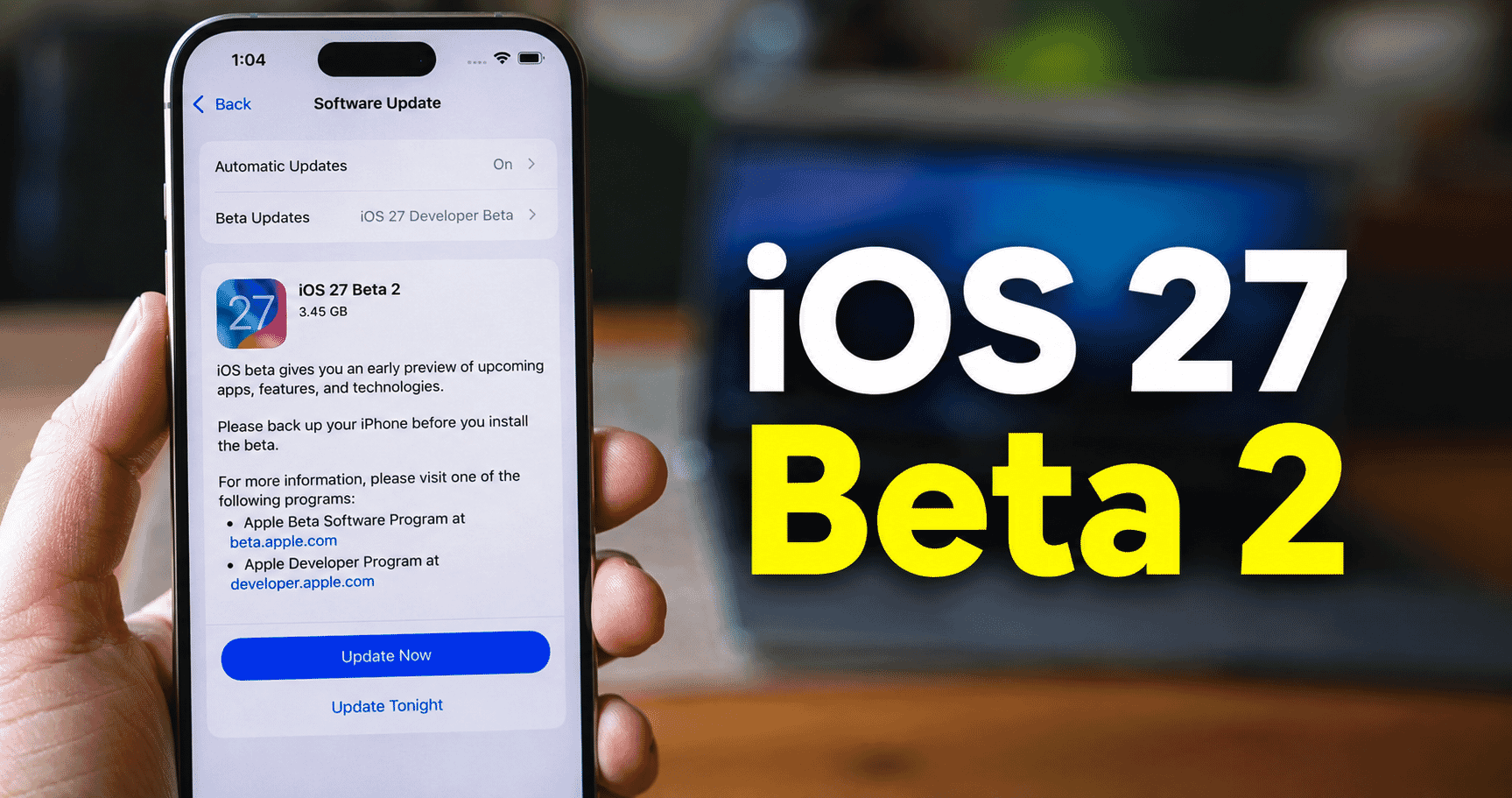 iOS 27 Beta 2 Features: Every New Change You Need to Know
 WhatsApp Users Can Now Spot a Block Using a Hidden Encryption Feature