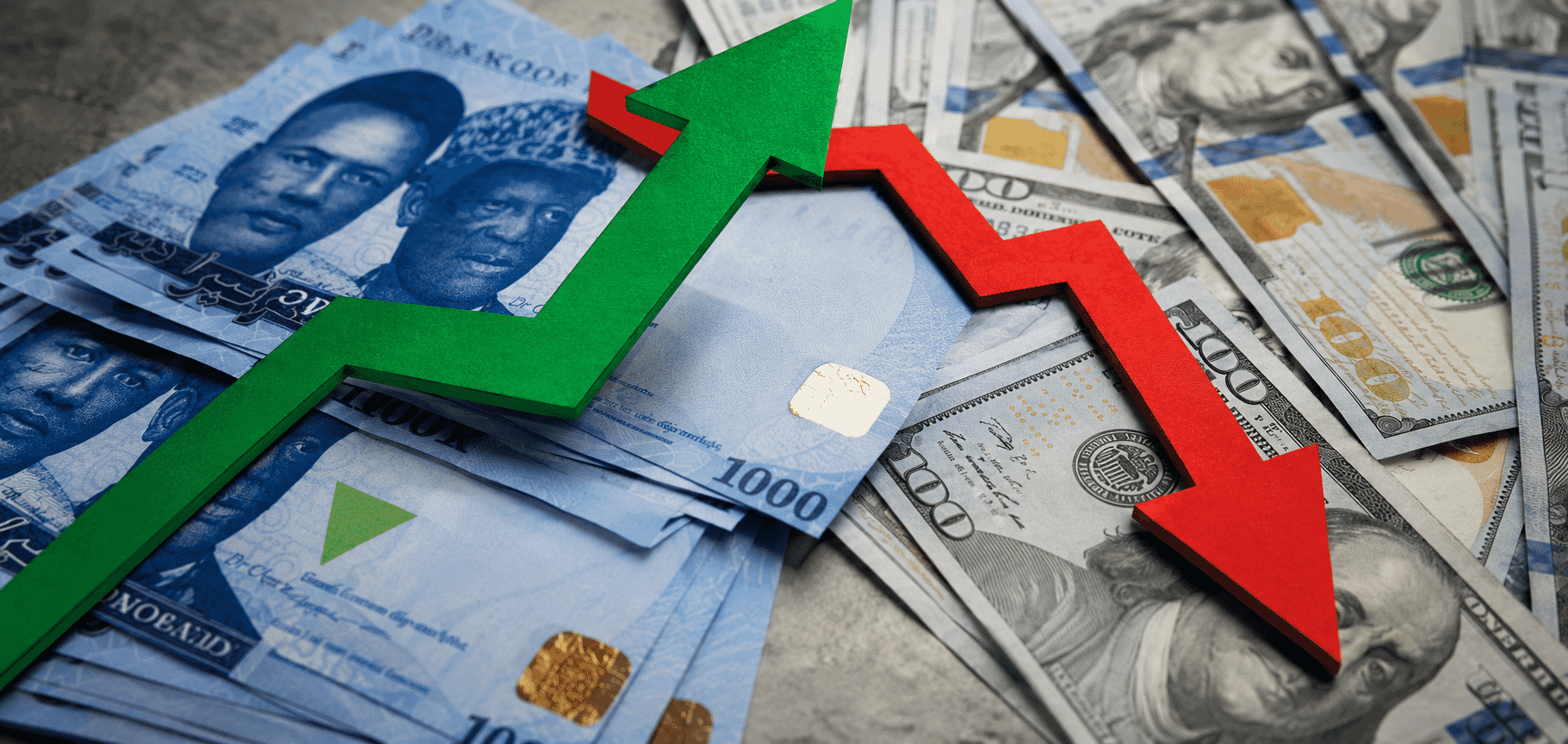
Official NFEM Rate Holds Steady Amid Liquidity Boost
The official Naira to Dollar exchange rate for July 23, 2026 closed near ₦1,371.36 on the NFEM. That follows a stronger close of ₦1,369.63 on July 22, when the naira gained ₦5.68 or 0.41 percent from the prior session’s ₦1,375.31.
Turnover jumped. Total deals reached $416.42 million on July 22, up 29 percent from $322.66 million the day before. Deal count rose to 198 from 110. Inflows from foreign portfolio investors, exporters and non-bank corporates supplied the extra dollars.
This is the market-determined benchmark used by authorised dealers, banks and large corporates. It is not a fixed CBN rate. Volume-weighted averages from actual trades set the daily figure.
Parallel Market Naira to Dollar Rate Still Commands Premium
In the parallel market the dollar sold for as high as ₦1,410 on July 23. Buyers paid around ₦1,400 to ₦1,405 depending on location and volume.
The gap with the official rate remains moderate, roughly ₦35 to ₦40. That is narrower than the wide spreads seen in earlier years of heavy restriction. Many individuals and smaller firms still turn to the parallel market because official access can lag or require documentation.
Rates vary slightly by city. Lagos and Abuja quotes often lead the national conversation, yet Kano and Port Harcourt dealers report similar levels on the same day.
Why the Naira to Dollar Exchange Rate Improved This Week
Liquidity is the clearest driver. Higher turnover shows more willing sellers of dollars met demand without sharp price spikes. External reserves crossed $52 billion in mid-July, the highest level in years and above the CBN’s full-year 2026 projection.
Governor Olayemi Cardoso told lawmakers and the Monetary Policy Committee that reserves reached about $52.5 billion to $52.73 billion in recent readings. The buffer covers nine to eleven months of imports, well above the three-month international standard. Crude-oil related taxes and third-party receipts supported the rise.
Diaspora remittances through official channels have also climbed from roughly $200 million to over $600 million monthly. The CBN targets $1 billion monthly by year-end. Reforms that deepened the willing-buyer, willing-seller market and reduced speculative pressure helped keep the naira steadier.
Compare this with mid-2025 or early 2026 periods of tighter supply. Then the official-parallel gap often exceeded ₦100 and daily turnover frequently stayed below $300 million. Today’s tighter spread signals better confidence, though it is not yet full unification.
How Today's Rates Impact Importers, Students and Everyday Nigerians
Importers of machinery, pharmaceuticals or raw materials who clear through banks pay closer to the official ₦1,371.36 rate. That lowers landed costs compared with a ₦1,500 or higher environment. Small traders and individuals without formal access still face the ₦1,410 parallel rate. For a $1,000 transfer the difference is about ₦39,000.
Students paying overseas tuition or parents sending money for living costs feel the parallel rate most. A $5,000 school fee costs roughly ₦7.05 million at ₦1,410 versus about ₦6.86 million at the official rate. The gap is real money for middle-class families.
Manufacturers watch the rate for input pricing. The recent return of Dangote Refinery to naira-denominated petrol sales, even with a ₦140 per litre ex-depot increase to ₦1,215, shows how FX availability still shapes domestic costs. A more stable naira helps planning, yet residual parallel demand keeps pressure on consumer prices.
Historical Context and Comparison to Recent Weeks
One month ago official rates hovered nearer ₦1,370 to ₦1,380 with occasional spikes above ₦1,380. Parallel quotes sat higher, often ₦1,415 or more. The past two weeks show gradual appreciation and rising turnover.
Reserves climbed steadily from about $51.45 billion at end-June to above $52 billion by July 20. That trajectory matches the firmer naira. Earlier episodes of reserve recovery, such as brief climbs in prior years, often reversed when oil receipts or portfolio flows slowed. The current level has not been seen since 2009.
The market is deeper than the old multiple-window system. Yet it remains sensitive to global oil prices, geopolitics and the pace of domestic production reforms.
Open Questions on Sustained Stability and Wider Implications
Will the narrowed official-parallel gap hold if foreign portfolio inflows slow? That remains unconfirmed. Sustained oil export growth and further remittance gains would help, but both depend on factors outside pure monetary policy.
Can the CBN maintain daily turnover above $400 million without drawing down reserves? Recent data show positive inflows, yet the next few weeks of trading will provide the real test.
For industry the question is access. Large firms clear at official rates more easily. Smaller manufacturers and traders still rely on the parallel market, so the premium continues to raise their costs relative to bigger competitors.
Longer term, a stable Naira to Dollar exchange rate supports investment decisions, reduces imported inflation and improves the attractiveness of naira assets. The opposite, renewed volatility, would quickly reverse those gains. Policymakers have built stronger buffers. Execution over the coming months will decide whether the July 23, 2026 levels become a floor or a temporary pause.
Read More
-
![CBN]() CBN Keeps Interest Rate at 26.5% as MPC Holds Firm Against Inflation Pressures
CBN Keeps Interest Rate at 26.5% as MPC Holds Firm Against Inflation Pressures -
Naira to Dollar Exchange Rate Today Holds Near ₦1,380 as Black Market Gap Widens
-
![SEC]() SEC Launches Nationwide Campaign to Help Nigerians Recover Unclaimed Dividends
SEC Launches Nationwide Campaign to Help Nigerians Recover Unclaimed Dividends -
![CBN]() CBN Issues New BDC Forex Guidelines, Launches Digital FX Tracker
CBN Issues New BDC Forex Guidelines, Launches Digital FX Tracker
 CBN Keeps Interest Rate at 26.5% as MPC Holds Firm Against Inflation Pressures
 SEC Launches Nationwide Campaign to Help Nigerians Recover Unclaimed Dividends