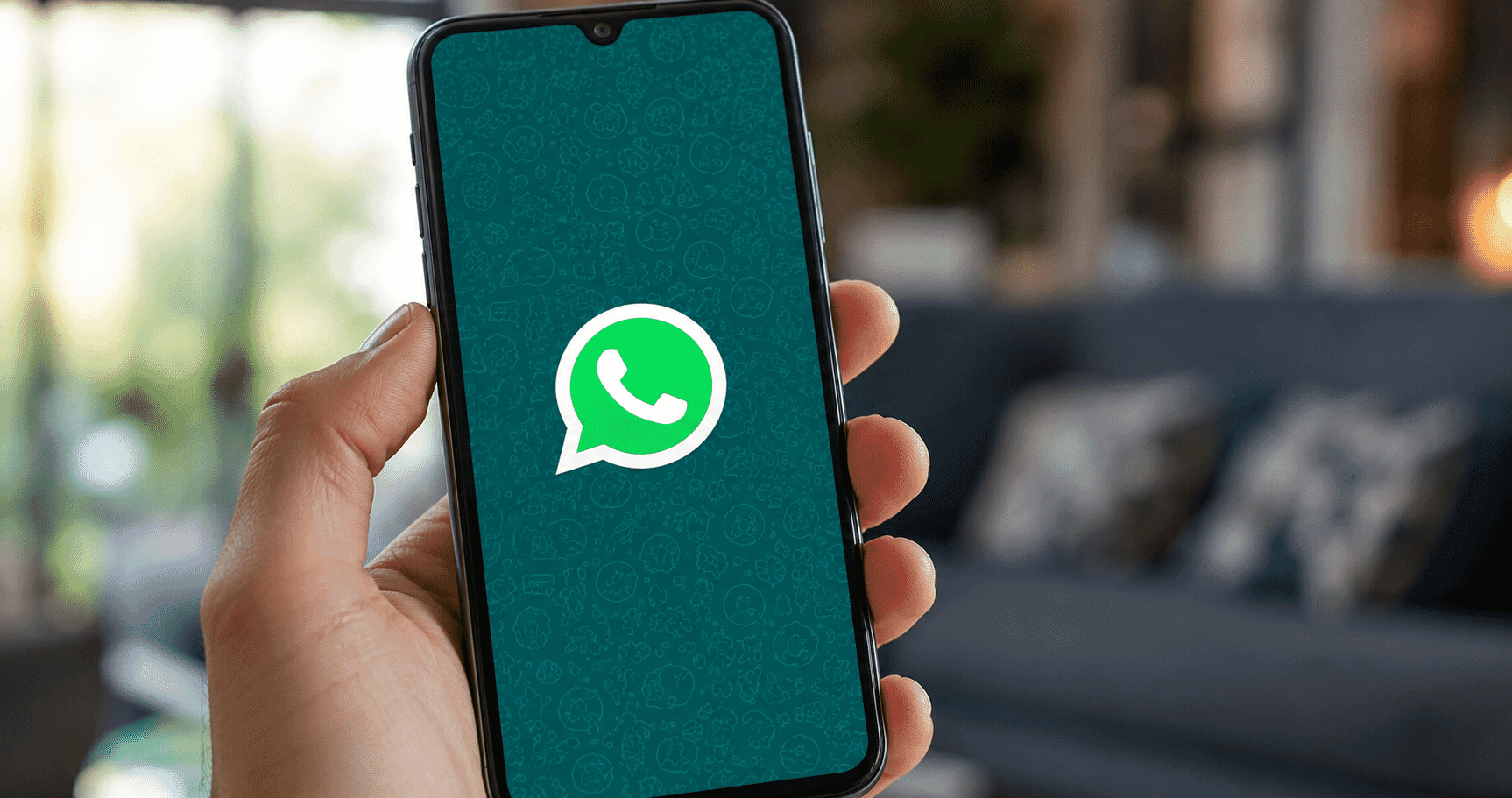
The discovery traces back to a single beta build. WABetaInfo, the most consistently reliable outlet for tracking unreleased WhatsApp code, found the feature inside the WhatsApp beta for Android 2.26.27.3, currently available through the Google Play Store.
According to that report, WhatsApp is building a dedicated section where users can see upcoming birthdays from their contacts, and the app sends an in-app notification the day a contact's birthday actually arrives.
That section functions as a lightweight dashboard rather than a full calendar app. Multiple outlets covering the leak, including iGeeksBlog and Pakistan's PhoneWorld, independently confirmed the same beta version number and core mechanic, which lends the report credibility beyond a single source.
 iPhone 18: 10 Cool Reasons It Could Be Your Dream iPhone
Crucially, the feature is not live for anyone yet. WhatsApp has not enabled it for beta testers, and there is no official timeline for its release, meaning even the most dedicated beta community cannot currently toggle it on. WABetaInfo has stated it expects the company to keep refining the mechanic before wider beta distribution follows.
How The Feature Is Expected To Actually Work
The mechanics hinge entirely on data WhatsApp already holds. The feature builds on an earlier change where some users were asked to provide their date of birth for age verification and regulatory compliance, after several US states passed laws requiring online platforms to confirm user ages. That birth-year prompt first appeared in an older beta build, version 2.24.12.25, purely as a legal safeguard.
Until now, that birthday field sat unused for anything social. A birthday reminder will only show up if the contact has shared their date of birth with WhatsApp, so the feature depends entirely on how many people have actually filled that field in. If a contact never entered a birthdate, no reminder appears for them, full stop.
Geography complicates that dependency further. WhatsApp does not currently ask every user, in every region, to enter a birth year, which means the reminder system's usefulness will scale up gradually as more people supply the data over time. In practice, that creates an uneven rollout where users in age-verification-heavy markets, like several US states, will likely see a denser and more useful birthday list than users elsewhere.
Comparing WhatsApp's Approach To Facebook And Other Platforms
Facebook popularized this exact mechanic more than a decade ago, and the comparison is unavoidable. Reporting from The Eastleigh Voice notes the feature closely resembles Facebook's long-standing birthday reminder system, which has for years alerted users when friends are celebrating birthdays. The difference lies in what happens after the alert fires.
On Facebook, a birthday notification typically routes a user toward a public wall post or comment thread. WhatsApp's version skips that detour entirely. Unlike Facebook, WhatsApp's reminders are expected to be integrated directly into users' chat experience, letting someone receive a reminder and immediately send a message, photo, sticker, or voice note without switching apps.
That distinction matters more than it sounds. Facebook's birthday feature always assumed a semi-public social graph where wall posts functioned as visible social currency. WhatsApp has no walls and no public timeline, so a reminder there converts directly into a private, one-to-one gesture instead of a performative one.
It is closer in spirit to how Telegram and iMessage surface synced contact birthdays through native calendar integrations, except WhatsApp's version does not require exporting anything to a phone's calendar app at all.
Why WhatsApp Is Doing This Now
The timing is not accidental. Age-verification legislation has spread across US states over the past two years, forcing platforms including WhatsApp to collect birth-year data they previously had no reason to request. WhatsApp introduced that birth-year control purely to comply with the law, and at the time, the birthday data had no purpose beyond that compliance requirement.
Turning regulatory overhead into a user-facing feature is a familiar move for large platforms sitting on mandatory data collection. WABetaInfo frames it plainly: the requirement to comply with law is now the foundation of something more personal, as WhatsApp turns that same information into something users can actually benefit from.
There is also a clear engagement incentive behind the mechanic. Since most people already use WhatsApp to send birthday wishes anyway, a reminder inside the app just makes practical sense, and it gives people a reason to open WhatsApp specifically on a friend's birthday, which is exactly the kind of low-effort, high-frequency touchpoint that keeps a messaging app central to daily habits.
Eastleigh Voice's reporting places the feature inside a broader pattern, noting that over the past year Meta has introduced or tested usernames, enhanced Wear OS support, AI-powered features, and improvements to group chats, all part of an effort to make WhatsApp more than just a messaging app.
The Privacy Gap Nobody Has Answered Yet
This is where the story gets more complicated than a simple feature announcement. WhatsApp built its entire brand identity around end-to-end encryption and minimal metadata exposure, and birthday sharing sits in obvious tension with that positioning.
As of this beta build, there is no opt-out mechanism visible. At this stage of development, WhatsApp has not introduced any privacy controls that let users decide whether to share their birthday with their contacts, and there is no option yet to keep the date visible only to WhatsApp for regulatory purposes while hiding it from contacts. That is a meaningful gap for a company whose users specifically chose the platform for its privacy guarantees.
WABetaInfo itself flags this as unfinished rather than final. Because the feature is still in very early development, WhatsApp could still add a dedicated privacy setting before an official launch, which would give users more control over who gets to see when their birthday is.
Until that happens, anyone who already entered a birth year for age-verification purposes has no confirmed way to keep it from surfacing to their entire contact list once the feature ships broadly.
That ambiguity deserves scrutiny beyond what current coverage has given it. A birth-year field collected under legal compulsion, for a narrow regulatory purpose, is being repurposed for a consumer feature without the user ever re-consenting to that new use.
Whether that satisfies the original intent of the age-verification laws that prompted the data collection in the first place is an open legal question nobody in the current reporting has addressed, and it is the kind of question regulators in privacy-strict jurisdictions, such as the EU, are likely to ask before any global rollout.
Where This Leaves Users Right Now
For anyone hoping to use this today, the honest answer is that it does not exist yet outside a small slice of Android beta code. Infohubfacts independently traces back to the same WABetaInfo discovery, and no report the feature being accessible to testers.
In the meantime, the gap has already spawned a small ecosystem of workarounds. Third-party services and browser extensions, such as Eazybe and reminder platforms like YouGot, currently let users route manual birthday alerts through WhatsApp by treating it purely as a delivery channel rather than a native calendar
One such service describes the appeal bluntly: because people already check WhatsApp constantly, a reminder that arrives as a WhatsApp message gets acted on far more reliably than a standard phone notification that gets swiped away. That workaround market is a useful signal in itself. It shows real, sustained demand for exactly the feature WhatsApp is now building natively, and it suggests Meta is closing a gap users have been patching together with third-party tools for years.
What To Watch Next
Three things will determine whether this feature actually matters once it ships. First, whether WhatsApp adds a genuine opt-out or visibility control before public release, since that alone will shape whether privacy advocates treat this as a minor convenience or a meaningful data-exposure risk.
Second, how quickly WhatsApp expands the birth-year prompt beyond its current limited regional footprint, since the entire feature is functionally useless in markets where WhatsApp still is not asking for that data. Third, whether an iOS version follows the Android beta at all, since WABetaInfo's report and every outlet covering it so far describe Android-only testing with no confirmed iOS timeline.
None of this is confirmed by Meta directly. WhatsApp's parent company has not issued an official statement, blog post, or changelog entry acknowledging the feature, and every detail available right now traces back to reverse-engineered beta code rather than a company announcement.
That distinction matters for anyone reporting on or reacting to this story: it is a real, verified beta discovery, but it is not yet a confirmed product.
Real-World Implications and User Reactions
Social media buzz highlights excitement mixed with caution. Recent X discussions praise the potential to reduce forgotten birthdays, with users noting how often they miss wishes despite good intentions. One post captured a common sentiment: reminders integrated into daily-used apps like WhatsApp make sense for busy lives.
Critics on platforms like X and Reddit point to notification fatigue and privacy. In regions with high WhatsApp usage for family and community groups, this could strengthen bonds but also amplify expectations around celebrations.
From a developer perspective, repurposing regulatory data demonstrates efficient product thinking. It turns a compliance burden into user value, potentially increasing daily engagement without heavy new infrastructure.
Read More
 iOS 27 Beta 2 Features: Every New Change You Need to Know
 WhatsApp Users Can Now Spot a Block Using a Hidden Encryption Feature
 One UI 9: Full List of Samsung Devices Getting the Update Revealed
 WhatsApp View-Once Mode Expands to Text Messages on iOS and Android, Blocking Screenshots and Forwards