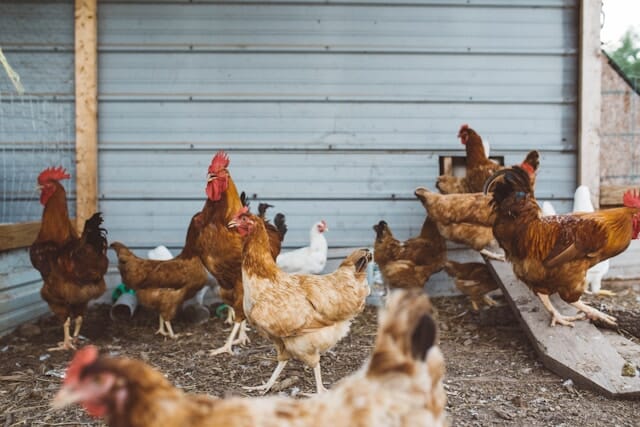
Nigerian poultry farmers feel a deep sting right now. The Federal Government just unveiled a $900 million partnership with China to transform the poultry sector. Many hardworking families who raise chickens and sell eggs every day now fear this deal will push them out. They have poured their lives into feeding the nation, yet they worry the massive project leaves them behind.
The plan sounds bold on paper. Officials aim to build six large-scale integrated poultry farms, one in each geopolitical zone. Each farm will house one million laying hens and 300,000 broilers. Together they promise up to six million eggs daily. Every site will include its own hatchery, abattoir, power plant, and a 10,000-hectare estate growing maize and soya for feed.
Joseph Tegbe, who handles international relations for the Nigeria-China strategic partnership, explained the vision clearly. He stressed backward integration so Nigeria avoids importing feedstock. The first two farms will receive full Nigerian government funding.
The next four will see Chinese investors cover 85 percent of costs, with the government providing the rest under a 10-year term and three-year moratorium. Eventually, private Nigerian operators will take over.
 Three APC Youth Leaders Killed in Road Crash on Way to Nasarawa Party Congress
The $900 Million FG-China Poultry Partnership Explained
This initiative targets Nigeria’s protein deficit head-on. Policymakers want stronger food security and modern technology transfer to lift the entire sector. The $4.2 billion poultry industry already stands as one of Nigeria’s biggest agricultural players after services. Chicken serves as a vital protein source for millions.
Yet the scale feels overwhelming to those already struggling on the ground. Each farm costs around $150 million. The government promotes the project as a way to modernize with better infrastructure and industrial production. Supporters highlight how it could ease pressure on small producers by creating more supply.
Why Nigerian Poultry Farmers Oppose the FG China $900M Deal
Poultry Association of Nigeria (PAN) leaders speak with heavy hearts. They warn the deal could harm the local industry if leaders do not handle it carefully. Foluso Adams, Lagos PAN vice president and chairman of Aiyedoto Poultry Farmers Settlement, puts it plainly.
He says the government should develop local poultry production first so farmers stay employed. Empowering Nigerians would open export doors across West Africa and beyond. Instead, he fears foreign giants will turn the sector into a “toy business” that sidelines local investors.
Godwin Egbebe, PAN national publicity secretary, echoes the pain. He states the proposed partnership will impact the local poultry industry negatively. Before moving forward, he urges officials to consider Nigerians’ health and safety. He points out that weak consumer purchasing power, not lack of eggs remains the real problem. Many families simply cannot afford poultry products even when supply exists.
Farmers feel the threat of displacement. Large, heavily financed operations could flood the market and make competition impossible for smaller producers. PAN calls for the government to strengthen local capacity through feed production support, easier credit, and real consultation first. Without these steps, they fear job losses and closed family businesses.
The Daily Struggles Smallholders Face Today
Smallholder farmers form the backbone that feeds Nigeria. Yet rising feed costs driven by maize and soy prices already squeeze them hard. Day old chick prices have climbed sharply. Long production cycles and poor storage add more pressure. Many government programs never reach the grassroots level where real change happens.
Industry data shows poultry farmers suffered losses exceeding ₦3 trillion in 2023. More than 50 percent of farms reportedly shut down amid economic pressures. Inflation, currency weakness, and fake inputs make everything worse. These are the people who wake up before dawn to care for birds and deliver eggs to markets. Now they watch a giant foreign-backed project move ahead while their own pleas go unheard.
What Food Security Really Means for Everyday Nigerians
The government wants to close the protein gap and cut reliance on any illegal imports. A stronger supply could eventually lower egg prices and improve nutrition nationwide. Technology from the partnership might bring better biosecurity and disease control. If done right, the farms could even supply quality feed to existing small producers and create indirect jobs.
Still, farmers ask a simple question: Why not invest that same energy in us first? They argue true food security grows when local voices shape the plan. They want policies that reach smallholders—farmer-friendly loans, quality inputs, and storage solutions. Without inclusion, the deal risks widening the gap between big projects and the families who actually produce food daily.
A Path Forward That Puts Nigerian Farmers First
Stakeholders urge deeper engagement before final steps. PAN wants strict regulatory oversight and genuine industry input. Leaders call for subsidies on key inputs, expanded finance access, and support for local value chains. They remind everyone that empowering indigenous farmers creates jobs, boosts exports, and builds lasting resilience.
The heart-breaking reality hits home because these farmers are not against progress. They simply want a seat at the table. Their message rings clear: invest in us, protect our livelihoods, and let local producers help drive national food security. Nigerian families depend on them every day at the dinner table.
How This Deal Could Reshape Nigeria’s Poultry Landscape
If the six farms deliver on promises, Nigeria could see a dramatic jump in egg and meat output. Backward integration on those 10,000-hectare estates might ease the 70 percent feed cost burden that crushes many operators today. Modern hatcheries and abattoirs could raise standards and reduce losses. Over time, privatization might hand control to Nigerian entrepreneurs and spark wider growth.
Yet without safeguards, the opposite could happen. Small farms might close faster as big players dominate supply. Employment could shift from thousands of family-run operations to fewer, centralized sites. Health and safety questions linger if imported standards clash with local realities. Farmers fear the sector they built through sweat could become dependent on foreign scale.
Calls for Inclusive Development Grow Louder
PAN officials stress the need to strengthen local productivity before introducing external competition. They want the Federal Government to align foreign capital with domestic growth. Simple steps like better credit access and input quality checks could make all the difference. Farmers emphasize that real partnership starts by listening to those who have fed Nigeria for generations.
The conversation now turns to action. Will leaders hear the farmers’ urgent warnings? Or will the $900 million deal move forward without enough local safeguards? Nigerian poultry farmers keep working hard, hoping their voices reach the right ears. Their future and the nation’s food security—hangs in the balance.
Read More
- Everything You Need to Know About Anioma and Its Proposed Capital
- UNIZIK SUG President Brutally Beaten and Nearly Shot by Soludo’s criminal Vigilante Group
- CBN Mandates IMTOs to Settle Diaspora Inflows in Naira
- Zenith Bank Appoints Kennedy Onuwa Okwudili as Executive Director – Here’s Everything You Need to Know