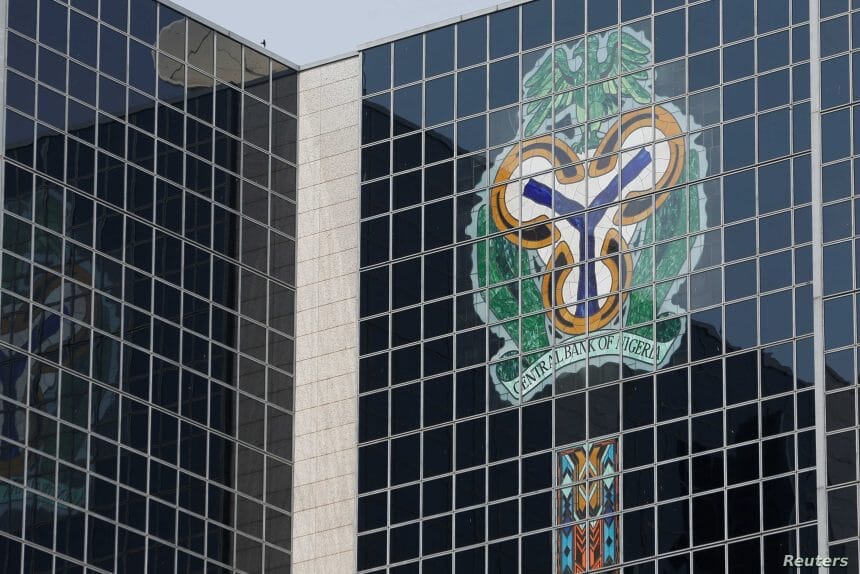
The Central Bank of Nigeria steps up with decisive force. This bold directive cuts off reckless borrowers and rebuilds trust fast.
CBN sent a clear letter on March 12, 2026. It orders banks to block large-ticket defaulters from fresh credit. The move targets those whose failures could shake the whole system. You sense the urgency. Regulators refuse to watch problems grow.
 Bank of Industry Launches Non-Interest Banking Window After Landmark CBN Approval
CBN's Bold Move Against Non-Performing Loans
The directive hits hard and immediate. Banks cannot grant additional loans or direct credit to these borrowers. They also block contingent liabilities like letters of credit, performance bonds, and advance payment guarantees.
Signed by Director of Banking Supervision Olubukola Akinwunmi, the circular leaves no room for delay. Banks must demand extra realisable collateral right away to secure existing exposures. Non-compliance brings swift sanctions under the Banks and Other Financial Institutions Act.
This action echoes a similar rule from June 2024. Yet the latest version goes further. It covers systemic-risk borrowers tracked in the Credit Risk Management System or licensed credit bureaus. CBN monitors every bank closely.
Rising Bad Loans in the Banking Sector
Bad loans now threaten real stability. Industry non-performing loan ratio climbed to an estimated 7 percent last year. That figure tops the safe 5 percent prudential limit. The spike followed the end of COVID-era forbearance that let banks restructure loans without full classification.
Once relief expired, those facilities turned sour. CBN data shows the crystallisation hit hard. First HoldCo alone set aside a massive N748 billion in provisions for 2025 to clean its books. Chairman Femi Otedola called it necessary compliance with tougher standards.
Earlier warnings painted a stark picture. Unchecked bad loans erode profitability, cut credit creation, and weaken banks’ risk buffers. Nigerians worry about their savings. Yet this directive brings hope. Regulators act before risks spiral.
New Framework for Credit Discipline
CBN builds a smart three-step shield: identify, restrict, and secure. First, it uses central data systems to spot large obligors whose exposures exceed single-obligor limits or hurt capital adequacy ratios. Second, it cuts off new funding to stop abuse. Third, it demands extra collateral and enforces penalties.
This framework beats past leniency. During the pandemic, easy restructuring masked problems. Now accountability rules. Borrowers face real consequences. Banks focus lending on reliable clients only.
The approach also supports broader recapitalisation. Cleaner balance sheets help banks absorb shocks and lend sustainably. You feel the shift toward responsibility that benefits everyone in Nigeria’s economy.
Practical Takeaways for Banks and Borrowers
Borrowers must act now. Repay promptly or lose access to vital services. Large companies need tighter cash flow plans and stronger proposals. Ethical repayment opens doors again.
Banks gain sharp tools. They clean portfolios and reduce future losses. Tighter lending may slow short-term growth, yet it builds higher-quality assets and stronger capital. Investors watch upcoming reports for improving NPL ratios.
Everyday Nigerians gain peace. Your deposits sit safer in disciplined institutions. Businesses seeking loans see fairer access for responsible players. The economy wins long-term as credit flows to productive uses instead of risky defaults.
Analysts note short-term credit squeeze for some defaulters. But the payoff shines brighter. Stronger banks fuel recovery and investor confidence. This move reassures millions who trust the system with life savings.
CBN shows courage amid real pressures. It prioritises stability over easy fixes. The banking sector stands ready to emerge tougher and more reliable.
CBN shows courage amid real pressures. It prioritises stability over easy fixes. The banking sector stands ready to emerge tougher and more reliable.