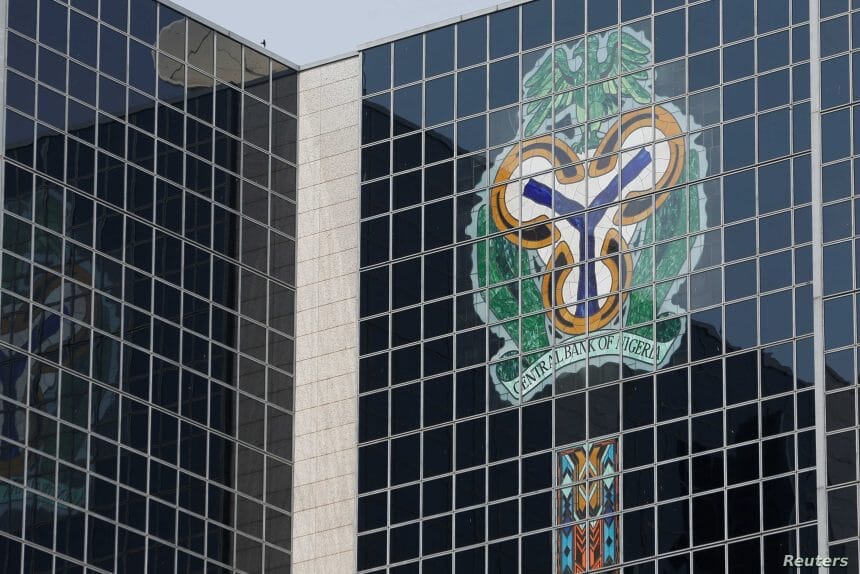
The Central Bank of Nigeria just dropped a game-changing rule that touches every family receiving money from abroad. Effective May 1, 2026, all International Money Transfer Operators must settle diaspora inflows strictly in naira. Families across Nigeria will feel this shift immediately. No more direct dollar handovers at pickup points.
This directive comes straight from a CBN circular dated March 24, 2026. Dr Musa Nakorji, Director of Trade and Exchange, signed it. The bank published it to tighten oversight and channel every kobo through formal banks. Nigerians who depend on remittances now see their inflows funneled into the official system.
You probably wonder why the CBN acted now. Remittance inflows matter more than ever for Nigeria’s economy. Recent CBN data shows IMTO receipts dropped 11.78 percent in the first half of 2025 compared to 2024, falling from $2.34 billion to $2.07 billion. Authorities want to reverse that trend by capturing every dollar in the formal market.
CBN IMTO Naira Settlement Requirements
The rule is clear and direct. Every IMTO must open and maintain naira settlement accounts with authorised dealer banks. All transactions including inflows, beneficiary disbursements, and related settlements must flow exclusively through these designated accounts.
IMTOs can use existing accounts or open fresh ones. They may even run multiple accounts across different banks to match their business needs. But every account carries a strict rule: it can only receive credits from remittance flows and foreign exchange conversions done by licensed operators inside Nigeria’s foreign exchange market.
Operators must label these accounts clearly and send the full list to the CBN’s Trade and Exchange Department. They update the list whenever changes occur. This simple step gives regulators real-time visibility.
How the Directive Ends Dollar Payouts for Remittances
Recipients will receive every transfer in naira only. The long-standing practice of collecting US dollars at Western Union, MoneyGram, or other IMTO counters ends on May 1. Funds convert inside the banking system at prevailing official rates before they reach your account or cash pickup.
This change feels personal for millions. A mother in Lagos waiting for her son’s support from London now gets naira straight into her bank. No more choosing between official and black-market rates at the counter. The policy pushes every inflow into transparent channels.
Why Transparency and Traceability Drive This Policy
The CBN states its goals plainly: enhance diaspora remittances, strengthen transparency, improve traceability, and enable effective monitoring of every transaction. By routing everything through naira accounts, the bank plugs leakages and keeps inflows inside the formal financial system.
Authorised dealer banks gain new powers too. They can now transfer foreign currency from IMTO settlement accounts to other banks and approved players, including licensed Bureau De Change operators. This flexibility keeps the market moving while staying regulated.
IMTOs must also follow real-time pricing from the Bloomberg BMATCH system. They use these live rates as guidance when dealing with customers and banks. The CBN believes this step will sharpen price discovery, cut information gaps, and pull more players into the official foreign exchange market.
Timeline and What Happens Next for IMTOs and Recipients
May 1, 2026 marks the start. From that day forward, every inbound money transfer pays beneficiaries in naira—either by bank credit or cash. The CBN expects full compliance and warns it will monitor closely.
IMTOs already operate under 2024 licensing guidelines. This new rule builds directly on those foundations. Operators who already hold naira accounts simply redesignate them. Others open new ones quickly. The process looks straightforward but demands precise record-keeping for audits and anti-money laundering checks.
Impact on Nigeria’s Foreign Exchange Market and Economy
Nigeria gains real momentum here. Every remittance dollar now feeds the official market instead of slipping into parallel channels. Liquidity improves. Pressure on the naira eases. The CBN aims to deepen reserves and support broader economic stability.
Families benefit too. Transparent conversion means recipients know exactly what rate applies—no more guesswork or side deals. The policy encourages IMTOs to compete on service while staying inside regulated rails.
Analysts watching the transition note that success hinges on smooth execution. Banks must handle higher volumes efficiently. IMTOs must train staff quickly. Yet the direction feels clear: remittances finally work harder for Nigeria’s economy while still supporting the families who need them most.
Compliance Steps Every IMTO Must Follow
First, designate naira settlement accounts with authorised dealer banks. Second, route every single transaction through them no exceptions. Third, credit those accounts only with legitimate remittance proceeds and official FX conversions. Fourth, submit and update the account list with the CBN. Fifth, price every deal using Bloomberg BMATCH live data.
The CBN reminds operators to keep full transaction records ready for review. Anti-money laundering, counter-terrorism financing, and counter-proliferation rules remain non-negotiable. These steps protect the system while making remittances safer for everyone.
What This Means for You as a Remittance Recipient
If you receive money from family abroad, prepare for naira-only payouts after May 1. Check your preferred IMTO app or agent location for updated procedures. Many will link directly to your Nigerian bank account for instant credit.
The change removes the temptation of parallel-market rates but delivers funds faster through trusted channels. You avoid carrying cash dollars and gain the security of formal banking. For small businesses that rely on diaspora capital, the policy promises steadier access to funds inside the official economy.
Broader Push for Naira Stability
This directive forms part of the CBN’s ongoing drive to strengthen foreign exchange inflows. By ensuring diaspora money works inside Nigeria rather than outside it, the bank signals confidence in the naira’s future. Families sending support from the US, UK, or Europe now know their hard-earned cash directly fuels local growth.
The policy also reassures investors. Greater transparency in remittance flows builds trust in Nigeria’s financial architecture. As inflows recover from last year’s dip, the official market stands ready to absorb them fully.
The Bigger Picture for Nigeria's Foreign Exchange Market
This directive sits inside a much larger strategy. The CBN has been methodically tightening the formal FX framework since the Yemi Cardoso-led administration began prioritizing market transparency and liquidity.
The Bloomberg BMatch integration alone signals a conscious move toward aligning Nigeria's remittance pricing with global FX standards.
If fully implemented, the policy could push a meaningful portion of currently informal remittance flows back into the official market. That increases FX supply at the official window, reduces pressure on the naira, and gives the CBN better visibility into cross-border capital movements.
Whether it achieves that goal depends entirely on enforcement. The CBN says enhanced monitoring mechanisms will be deployed. The market is watching closely to see whether operators fall in line before the deadline or wait for regulatory pressure to force compliance.
For Nigerians in the diaspora, the underlying message is also clear: use official channels. The formal system is being rebuilt to serve you better, and the regulator is making informal alternatives increasingly difficult to access. The direction of travel is one way.