Nigeria's tax landscape is undergoing a significant transformation with the implementation of new fiscal policies starting January 1, 2026. President Bola Tinubu signed these reforms into law in June 2025, aiming to create a more efficient, transparent, and equitable system.
The changes address longstanding issues like multiple taxation, regressive burdens on the poor, and administrative complexities. By centralizing revenue collection under the Nigeria Revenue Service, the government seeks to harmonize efforts across federal, state, and local levels.
This structural reset is designed to foster economic growth, support small businesses, and strengthen the social contract between citizens and the state.
What the Federal Government Said About Bank Transfers
The Federal Government made it clear that ordinary Nigerians conducting legitimate transactions have nothing to worry about. Personal banking activities will continue without interference or additional scrutiny.
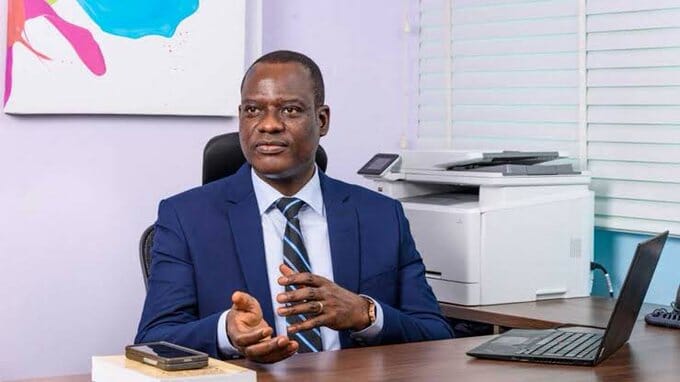
Taiwo Oyedele, Chairman of the Presidential Committee on Fiscal Policy and Tax Reforms, has been at the forefront of communicating these changes. In recent appearances, including on Channels Television, he dismissed fears of automatic bank account debits. He emphasized that the government has no plans to deduct funds directly from personal accounts for tax purposes.
Whether transferring one thousand naira or a billion, no debits will occur based on transaction volumes. This assurance directly counters viral misinformation that has spread across social media and news outlets.
Government officials emphasized that the focus remains on combating financial crimes and money laundering. The policy targets suspicious large-scale transactions, not everyday banking by regular citizens.
Oyedele further clarified that individuals do not need to provide narrations or explanations for their bank transfers. The focus shifts to self-reporting at the end of the year, where taxpayers declare their income and any applicable taxes.
If an individual qualifies for an exemption, they simply state it in their declaration.
This approach simplifies compliance and reduces the administrative burden on everyday Nigerians. Oyedele described the process as straightforward, with ongoing efforts to make it even more accessible through digital tools.
Why Personal Accounts Are Safe from Deductions
Your personal bank account will not be debited automatically by the government. This assurance covers salary accounts, savings accounts, and personal current accounts used by individuals.
The confusion arose from misinterpretations of banking regulations designed to track high-value transactions. These regulations apply primarily to businesses and entities moving large sums of money.
Individual account holders making transfers for rent, school fees, business expenses, or family support face no restrictions. Your money remains yours, and your banking freedom stays intact.
Who Needs to Provide Bank Transfer Explanations
Only specific categories of account holders may face additional scrutiny. These include businesses making frequent high-value transactions above regulatory thresholds.
Corporate accounts and merchant accounts already operate under Know Your Customer (KYC) requirements. These businesses maintain transaction records as part of standard banking compliance.
Financial institutions may flag transactions that appear unusual compared to an account's normal activity pattern. This applies regardless of whether the account belongs to an individual or business.
However, regular salary earners, students, traders, and everyday Nigerians will not need to explain routine transfers. The system differentiates between suspicious activity and normal banking behavior.
What Nigerian Bank Customers Should Know
Continue using your bank accounts normally for all legitimate purposes. Transfer money to family members, pay for services, receive salaries, and conduct business without fear.
Maintain accurate records of your major transactions for your own financial management. While you won't need to explain them to authorities, good record-keeping benefits you personally.
Ensure your bank account information stays current with your correct phone number and address. This helps banks reach you if they need to verify any unusual activity on your account.
Report any unauthorized debits or suspicious activity to your bank immediately. Customer protection mechanisms remain in place to safeguard your funds.
Misconceptions on Tax ID and Bank Account Freezing Debunked
A major point of confusion has been the requirement for a Tax Identification Number (TIN) when opening or operating bank accounts. Effective from 2026, this applies primarily to income-generating or business accounts to aid data harmonization and ease administration.
Personal savings accounts are not targeted, and there will be no freezing of accounts for non-compliance with TIN requirements. This provision has existed since 2020 but is being reinforced for better tracking of taxable entities.
Experts urge Nigerians to verify claims by referring to official laws rather than unverified social media posts.
Another misconception involves potential auto-debits or penalties. Oyedele expressed surprise at how such rumors originated, reiterating that the laws promote voluntary reporting over punitive measures.
For small businesses and informal entrepreneurs, like roadside vendors or sole proprietors with annual turnover below 12 million naira, exemptions are automatic if they can demonstrate minimal profit capacity. Businesses can even obtain exemption stickers to avoid harassment from tax officials.
Implications for Low-Income Earners and Small Businesses
The reforms are crafted to be progressive, meaning they target higher earners and larger entities while shielding the vulnerable. Low-income individuals earning ₦800,000 or less per year face no personal income tax.
Pensions, gifts, remittances, and earnings from diaspora Nigerians are also exempt. Minimum wage workers benefit from full exemptions, ensuring the system does not disproportionately affect those with limited means.
Small businesses stand to gain significantly. Those with turnover under ₦100 million are exempt from company income tax, VAT, and the new development levy. This includes informal hustlers, vulcanizers, and corn roasters, who often operate on thin margins.
The laws aim to eliminate regressive elements, where the poor previously bore heavier relative burdens. By focusing enforcement on high-value accounts, such as those holding 100 million naira or more, the government prioritizes efficiency without alienating the majority of bank holders, 98% of whom have balances under 500,000 naira.
Tax Harmonization Across States and Local Governments
Beyond federal changes, a draft tax harmonization law for subnational entities is gaining traction. States like Akwa Ibom, Zamfara, Anambra, and Kano have already enacted similar measures to prevent overlapping levies. Lagos is expected to follow suit.
This initiative reduces the chaos of multiple taxes, creating a unified framework that benefits businesses operating across regions. Oyedele highlighted resistance from wealthy individuals who manipulate public opinion against reforms, often using fear tactics like account debit narratives to protect their interests.
Broader Economic Goals and Public Response
These tax laws are part of a larger strategy to build a robust fiscal foundation for Nigeria. By reducing corporate tax rates to 25% and maintaining VAT at 7.5% with exemptions for essentials, the government encourages investment and consumer spending. The emphasis on transparency and self-declaration fosters trust, potentially increasing compliance rates over time.
Public response has been mixed, with labor unions and opposition groups criticizing the timing amid economic challenges. However, supporters argue that the protections for small-scale operations and low earners make the system fairer than before. Content creators and high-earning freelancers, who might face scrutiny on undeclared income, have been vocal in debates. Oyedele noted that resistance often comes from those benefiting from the status quo, underscoring the need for evidence-based discussions.
Potential Challenges and Future Outlook
While the assurances provide relief, implementation will be key. Monitoring by civil society and media can help ensure promises are kept. Questions remain about digital infrastructure for self-reporting, especially in rural areas. The government has committed to further simplifications, including apps and helplines.
In summary, these tax reforms represent a step toward a modern, citizen-friendly system. By debunking myths and focusing on equity, the FG aims to build confidence. Nigerians are encouraged to stay informed through official channels and prepare for self-reporting to avoid any future issues.
Read More
- Airtel Africa Partners with SpaceX to Bring Starlink Satellite Connectivity to 14 African Countries
- Nigeria’s World Bank Debt Hits $9.65 Billion in 2025 – Latest Official Numbers
- FG Launches Pioneering Online Platform for Gas Trading and Exchange
- Federal Government of Nigeria to Ban Cash Payments for All Federal Revenue Collections Starting 2026