
Elon Musk officially became the world's first trillionaire on Friday, June 12, 2026, after SpaceX completed its record-breaking initial public offering on the Nasdaq. The rocket and satellite company priced shares at $135, opened at $150, and traded under ticker SPCX, minting Musk's fortune amid surging investor demand. This milestone underscores the rapid valuation growth of his aerospace venture.
SpaceX raised $75 billion in the largest IPO in history. The debut valued the company initially at around $1.77 trillion, with shares climbing further in early trading to push the market cap above $2 trillion.
SpaceX IPO Details and Market Debut
SpaceX sold approximately 555.6 million shares at $135 each. Demand exceeded supply by more than four times, with strong interest from long-only investors and sovereign wealth funds.
Shares opened at $150, representing an 11% gain, and continued rising midday. This performance placed SpaceX among the sixth-largest U.S. companies by market value shortly after listing.
President Gwynne Shotwell and CFO Bret Johnsen rang the Nasdaq opening bell in New York. Musk participated remotely from Starbase in South Texas.
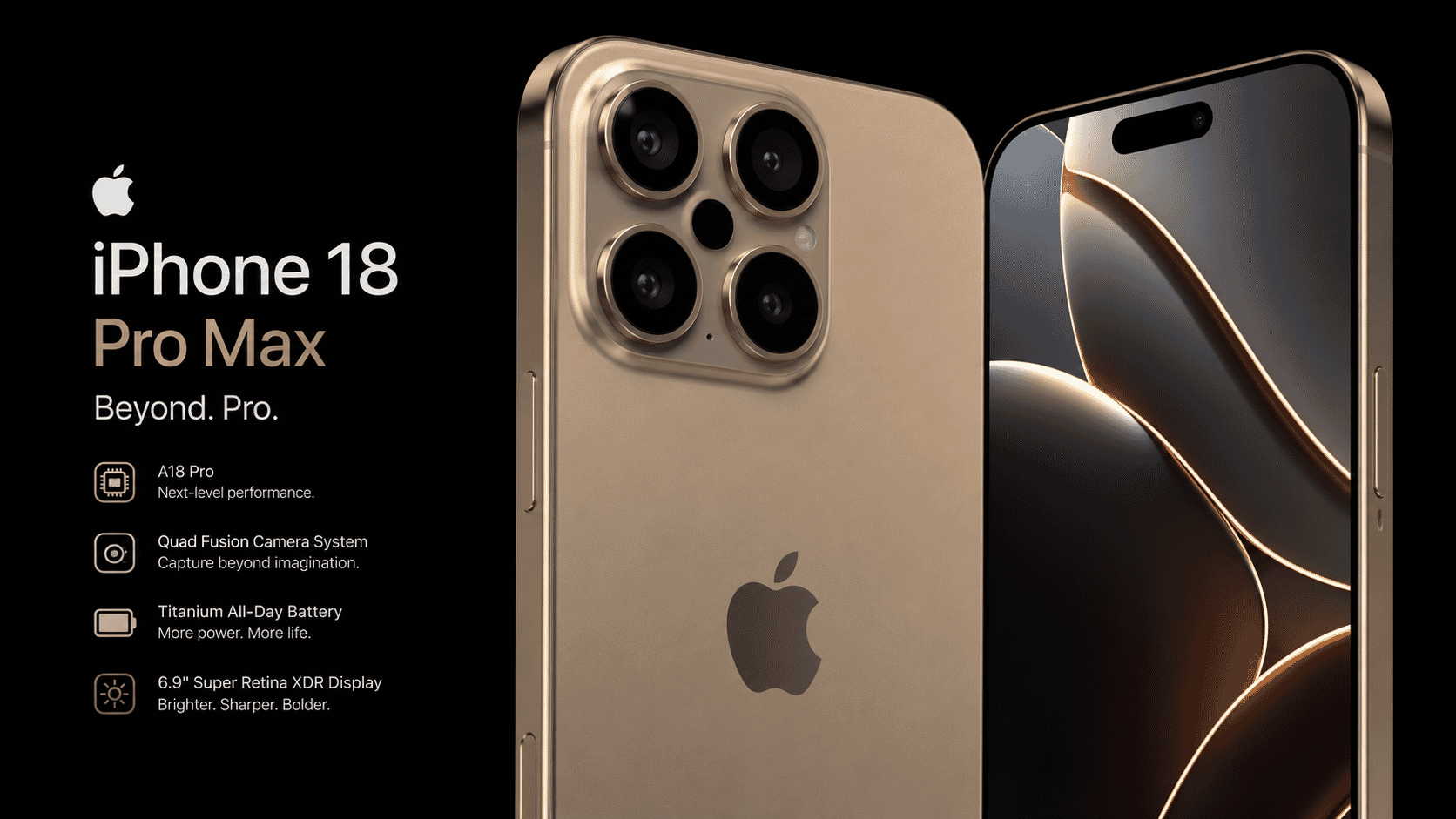 iPhone 18 Pro Max Confirmed Leaks Reveal Features No iPhone Has Ever Had
Impact on Elon Musk's Net Worth
Musk holds about 42% of SpaceX equity, granting him roughly 82% voting control through a dual-class structure. His SpaceX stake alone reached approximately $870 billion at IPO pricing levels.
Combined with his Tesla holdings, valued at roughly $278 billion to $287 billion based on recent share prices around $388, Musk's stakes in the two companies total over $1.1 trillion. This excludes additional assets in Neuralink, the Boring Company, and xAI.
Prior to the IPO, estimates placed Musk's net worth near $800 billion. The SpaceX debut crossed the trillion-dollar threshold, confirming his position as the first individual to achieve it.
SpaceX Financial Performance and Growth Drivers
Starlink, the satellite internet service, drives the majority of SpaceX revenue, serving millions of subscribers globally and accounting for up to 80% of income. The company reported $18.7 billion in 2025 revenue.
SpaceX posted significant losses, including nearly $5 billion in the most recent year, due to heavy investments in Starship development, AI initiatives via xAI, and capital expenditures on data centers.
Investors focused on long-term potential in reusable rockets, satellite broadband, and multiplanetary ambitions despite current cash burn and governance considerations.
Reactions and Immediate Aftermath
Musk credited team persistence in building the company from early challenges. Employee stock options created numerous new millionaires among SpaceX's roughly 4,400 staff.
The event drew attention to wealth concentration, with Musk's fortune rivaling the GDP of many nations. Protests occurred outside the Nasdaq MarketSite related to prior AI image generation concerns.
Analysts noted the pop in trading aligned with high expectations for the hyped debut.
This development marks a pivotal moment in private space industry commercialization and public market access for high-valuation tech firms. Continued performance of SPCX will influence perceptions of Musk's combined business portfolio.
Read More
![iOS 26.5 update]() Apple Latest update: iOS 26.5 Brings Five New Features to Your iPhone Device
Apple Latest update: iOS 26.5 Brings Five New Features to Your iPhone Device![Apple logo]() Apple Is Set to Transform Apple Intelligence From Single Assistance Into a Multi-Model Platform in iOS 27
Apple Is Set to Transform Apple Intelligence From Single Assistance Into a Multi-Model Platform in iOS 27![samsung Logo]() Samsung Galaxy A57 Buyers Now Get Free Spotify Premium for Up to 3 Months
Samsung Galaxy A57 Buyers Now Get Free Spotify Premium for Up to 3 Months![Whatsapp logo]() WhatsApp Is Ending Support for These Older Android Devices: Full List, Key Deadline, and What to Do Right Now
WhatsApp Is Ending Support for These Older Android Devices: Full List, Key Deadline, and What to Do Right Now
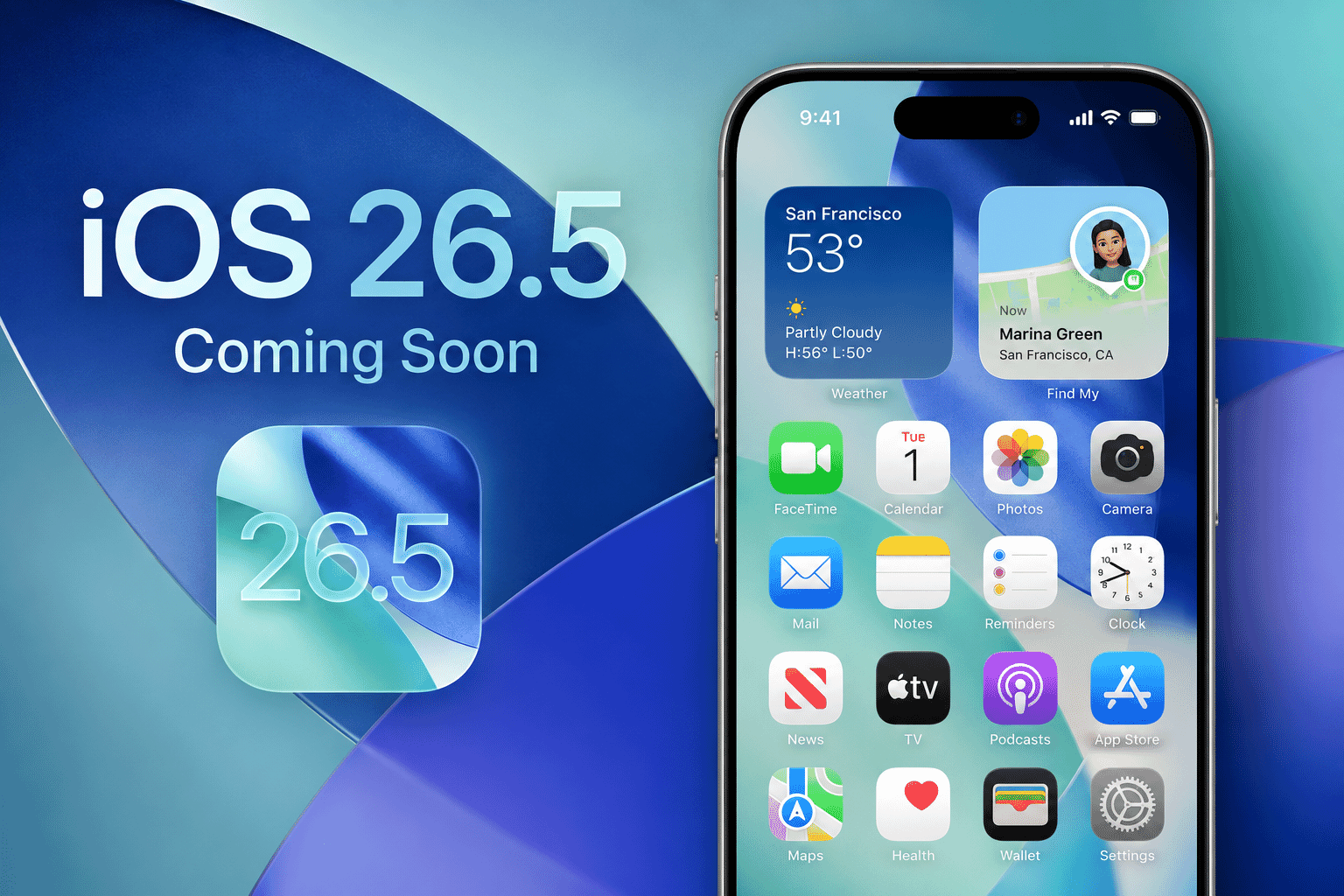 Apple Latest update: iOS 26.5 Brings Five New Features to Your iPhone Device
 Apple Is Set to Transform Apple Intelligence From Single Assistance Into a Multi-Model Platform in iOS 27
 Samsung Galaxy A57 Buyers Now Get Free Spotify Premium for Up to 3 Months
 WhatsApp Is Ending Support for These Older Android Devices: Full List, Key Deadline, and What to Do Right Now