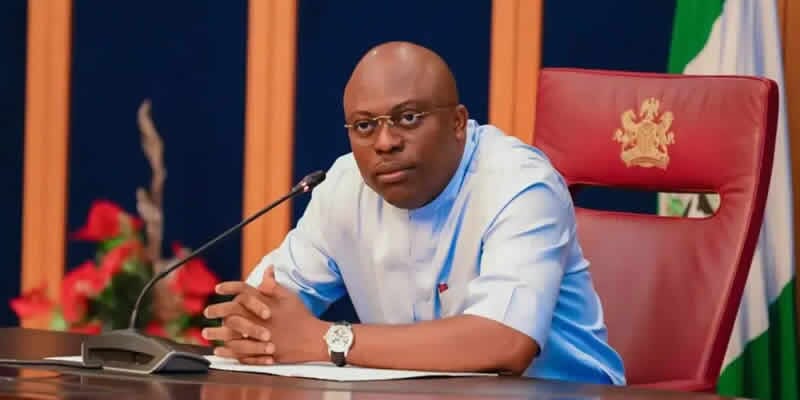
The political landscape in Rivers State is heating up. Governor Siminalayi Fubara faces a serious threat from the state House of Assembly. Lawmakers have initiated impeachment proceedings against him and his deputy, Prof. Ngozi Odu.
This move stems from deep-rooted tensions. Former Governor Nyesom Wike's loyalists dominate the Assembly. They accuse Fubara of sidelining them after his 2023 election victory.
Impeachment in Nigeria follows constitutional guidelines. Section 188 of the 1999 Constitution outlines the process. It requires a two-thirds majority to start and complete.
First, the Assembly serves a notice of allegations. This happened on January 8, 2026. All 26 pro-Wike lawmakers signed it.
Rivers Assembly Sets Up Panel to Investigate Governor Fubara
On January 16, 2026, the Assembly escalated matters. During plenary, Speaker Martin Amaewhule led a unanimous vote.
Lawmakers resolved to probe the allegations. They directed the Chief Judge, Justice Simeon Amadi, to form a seven-member panel.
This panel's role is crucial. It investigates claims and reports back to the Assembly.
The Assembly confirmed the Chief Judge received the notices. This was announced on January 17, 2026.
Despite this, the process hit a snag. A Rivers State High Court issued an interim injunction.
Key Allegations in Fubara Impeachment Investigation
What exactly are the charges? The Assembly cites several issues.
Extra-budgetary spending tops the list. Fubara allegedly spent over ₦800 billion without approval. He is accused of withholding statutory funds. This affects the Assembly Service Commission.
Demolition of the Assembly complex is another grievance. Lawmakers claim it was unlawful.
Defiance of Supreme Court rulings on legislative autonomy is highlighted. This violates financial independence.
Other claims involve hostility toward the legislature. Fubara's aides allegedly attacked the Assembly publicly.
Deputy Governor Ngozi Odu in Impeachment Crosshairs
The deputy is not spared. Prof. Ngozi Odu faces similar gross misconduct allegations. The Assembly bundled her with Fubara. They argue both showed no remorse.
Initially, four lawmakers sought dialogue. They included Sylvanus Nwankwo and Emilia Amadi.
But they reversed course. Citing Fubara's lack of interest in peace, they rejoined the impeachment push.
This U-turn added drama. It strengthened the pro-impeachment faction.
Odu's role in the administration is under scrutiny. Lawmakers see her as complicit in the alleged breaches.
Court Halts Rivers Assembly Panel for Fubara Investigation
Legal battles are raging. On January 16, 2026, Justice F.A. Fiberesima ruled in Oyigbo. The court restrained the Chief Judge from acting. No panel can form pending further hearing.
The court restrained the Chief Judge from acting. No panel can form pending further hearing. Fubara and Odu filed suits. They called the moves unconstitutional.
The injunction lasts seven days. Hearing resumes on January 23, 2026. Lawmakers vow to continue. They cite Section 188(5) for their resolve.
Timeline of Fubara Impeachment Attempts in Rivers State
This is the third impeachment attempt against Governor Fubara since he assumed office. The first attempt occurred in October 2023, shortly after tensions erupted between Fubara and Wike.
President Bola Tinubu intervened in December 2023, brokering a peace deal that temporarily halted impeachment proceedings. However, that agreement collapsed within months.
The second impeachment attempt began in March 2025. President Tinubu responded by declaring a state of emergency in Rivers State on March 18, 2025, suspending all elected officials including Fubara for six months.
Fubara returned to office in September 2025 after another presidential intervention and peace agreement. That second peace deal has now also broken down, triggering this third impeachment attempt.
Wike-Fubara Political Crisis: Root Causes of Rivers Turmoil
The power struggle between Fubara and Wike began shortly after Fubara's inauguration in May 2023. Wike, who handpicked Fubara as his successor, expected continued influence over Rivers State politics.
Tensions escalated when Fubara attempted to assert independence from his political godfather. The conflict centers on control of the state's political structures, including the Assembly and local government councils.
In December 2023, 27 lawmakers loyal to Wike defected from the Peoples Democratic Party to the All Progressives Congress. This deepened the crisis and created competing Assembly factions.
The Assembly complex was damaged by fire in October 2023 under suspicious circumstances, forcing lawmakers to relocate. Budget disputes, commissioner appointments, and local government elections have all become battlegrounds in this political war.
Four Lawmakers Reverse Position on Fubara Impeachment
In a dramatic reversal, four lawmakers who initially called for political reconciliation withdrew their appeal on January 16, 2026. They announced full support for impeachment proceedings.
Minority Leader Sylvanus Nwankwo explained that while they had sought a political solution, Governor Fubara and his deputy instead launched media attacks against the Assembly rather than pursuing reconciliation.
Peter Abbey, one of the lawmakers who changed positions, emphasized this is a constitutional matter, not an ethnic issue. Deputy Minority Leader Barile Nwakoh accused Fubara of remaining defiant in his alleged constitutional violations.
The unified stance of 25 lawmakers demonstrates the strength of opposition to Fubara within the Assembly.
What Happens Next in the Rivers State Impeachment Process?
The Chief Judge now faces pressure to constitute the investigative panel despite the court order restraining him. Legal experts predict intense court battles over jurisdiction and constitutional interpretation.
If the panel is formed, it will have three months to investigate the allegations. The governor can defend himself through legal representation or personal appearance.
The Assembly adjourned until January 27, 2026, for its next sitting. Political observers expect additional legal filings and possible federal government intervention as the crisis intensifies.
Governor Fubara has urged Rivers residents to remain calm, expressing confidence that God will see the state through this turbulent period. His supporters describe the impeachment move as politically motivated rather than constitutionally justified.
Presidential Intervention in Rivers Assembly Crisis
President Tinubu has twice intervened in the Fubara-Wike dispute, brokering peace agreements in December 2023 and June 2025. Both agreements eventually collapsed.
Political analysts question whether the President will intervene a third time. Former Ekiti Governor Ayo Fayose suggested Tinubu is unlikely to sacrifice Wike, whom he considers more politically valuable than Fubara.
Wike played a crucial role in Tinubu's 2023 presidential campaign by supporting him despite being a member of the opposition PDP. This political debt complicates any potential presidential mediation.
The crisis has significant implications for the 2027 elections, with Wike vowing never to support Fubara's re-election bid.
Read More