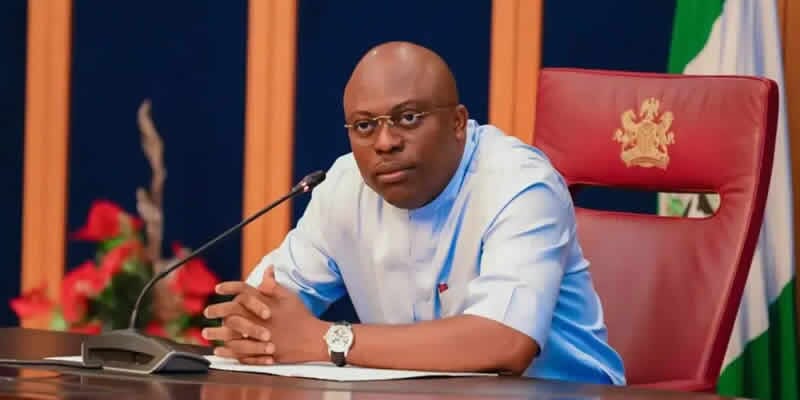
In the heart of Nigeria's political landscape, Rivers State stands as a hotspot for intense power struggles. Governor Siminalayi Fubara faces fresh impeachment threats from the state assembly. Yet, a prominent civic group has stepped forward to defend him. The Good Governance Advocacy Centre (GGAC) conducted a thorough review. Their findings absolve Fubara and his deputy, Ngozi Odu, of any wrongdoing.
This development comes amid escalating tensions in Rivers politics. The impeachment notice, served recently, lists eight allegations against the governor. GGAC's 72-hour forensic analysis dismissed each one. They labeled the entire process as politically motivated, lacking constitutional merit.

Rivers State's political crisis traces back to rifts within the ruling Peoples Democratic Party (PDP). Former Governor Nyesom Wike, now a federal minister, is often cited as a key figure in the discord. His influence over assembly members fuels speculation of godfatherism. Diaspora professionals echo this view, warning against legislative overreach.
Fubara's administration began with promises of continuity. However, clashes emerged over budget control and project approvals. Lawmakers accuse him of maladministration and constitutional breaches. GGAC counters that these claims are speculative and unsupported by evidence.
The civic group's report highlights procedural flaws in the impeachment. They note the notice fails to meet required thresholds. For instance, allegations of budget padding lack verifiable proof. GGAC stresses that executive discretion covers many disputed actions.
Public reaction has been swift. Elders in Rivers State, through the Rivers Elders and Leadership Forum, condemn the move. They describe it as an insult to democracy, driven by personal vendettas rather than public interest.
Hon. Ikenga Ugochinyere, a federal lawmaker, joins the chorus. He calls the renewed threat unconstitutional. Ugochinyere points to resolved past issues, urging restraint to preserve peace.
The All Progressives Congress (APC) factions are divided. One group backs Fubara, viewing the impeachment as sabotage against President Bola Tinubu's peace accord. They warn it undermines stability in the oil-rich state.
Fubara himself appeals for calm. In his first address post-notice, he expresses faith in divine intervention. He urges residents to prioritize peace amid the turmoil.
Two lawmakers have withdrawn from the plot. This signals cracks in the assembly's unity. Analysts see it as evidence of waning support for the impeachment.
The crisis risks broader implications. Rivers State contributes significantly to Nigeria's economy through oil. Instability could disrupt governance and investments. Civic groups call for federal intervention to avert chaos.
GGAC's involvement demonstrates civil society's role in accountability. As an independent body, they bring expertise in governance audits. Their report draws on legal and forensic analysis, enhancing its authoritativeness.
Experts in Nigerian politics note patterns. Impeachments often mask power grabs. In Ekiti State, a 2006 case was later nullified as politically motivated.
Fubara's supporters argue he has delivered on infrastructure. Roads, healthcare, and education projects continue despite distractions. They view the plot as an attempt to derail progress.
Opposition voices persist. Some groups back the assembly, claiming Fubara disregards agreements. Yet, GGAC's clearance shifts the narrative toward political motivation.
Legal scholars emphasize due process. Impeachment requires two-thirds assembly support and clear gross misconduct evidence. Current efforts fall short, per GGAC.
The assembly alleges plots to stall proceedings via court orders. This adds layers to the drama, with accusations of judicial interference. Diaspora Nigerians weigh in. They back Fubara, criticizing godfather control. Their statement highlights Wike's alleged influence over state affairs post-tenure.
A coalition of counselor candidates condemns the move. They threaten action against lawmakers, demanding focus on grassroots governance. President Tinubu's prior mediation is key. His accord aimed at reconciliation. Reviving impeachment defies that spirit, per APC mandate group.
Fubara's deputy, Ngozi Odu, shares the spotlight. Allegations against her are equally dismissed. GGAC finds no basis for her inclusion in proceedings.
The plot's biblical analogies abound. Commentators invoke "voice of Jacob, hand of Esau" to describe hidden influences. Independent reports reinforce GGAC's stance. They accuse lawmakers of using impeachment for personal gain.
Rivers residents express fatigue. Protests loom if tensions escalate. Civic leaders urge dialogue over division. National implications are clear. Successful godfather overreach could inspire similar tactics elsewhere. It challenges Nigeria's democratic maturity.
Fubara's resilience shines. His calm demeanor inspires confidence. Supporters rally, viewing him as a victim of entrenched interests. GGAC's methodology impresses. Their 72-hour review involved document scrutiny and stakeholder consultations. This rigor builds trust in their conclusions.
Political analysts predict outcomes. If impeachment fails, it could strengthen Fubara's position. Success might trigger legal battles and unrest. The assembly's next moves are watched closely. Withdrawals suggest momentum loss. More defections could halt the process.
Federal oversight is urged. The National Assembly and presidency hold sway in averting crisis.
In summary, GGAC's clearance exposes the impeachment as politically driven. It calls for renewed commitment to governance over gamesmanship. Rivers State's future hangs in balance. Stability demands all parties prioritize public welfare.
This episode underscores Nigeria's political evolution. From godfather dominance to accountable leadership, change is afoot.
Fubara emerges as a symbol of resistance. His story resonates beyond Rivers, inspiring anti-godfather sentiments nationwide.
Civic groups like GGAC prove vital. Their interventions safeguard democracy against abuse. As events unfold, eyes remain on Port Harcourt. Peace must prevail for progress to endure.
Read More
-
li>Paystack Acquires Ladder Microfinance Bank to Enter Nigeria’s Banking Sector
- Nigeria and UAE Sign Historic Tariff Free Trade Agreement Covering Goods and Services
- Here Are 21 Banks That Have Met the New CBN Recapitalization Requirement
- How to Start Investing in Nigerian Stocks in 2026: Your Complete Step-by-Step Guide