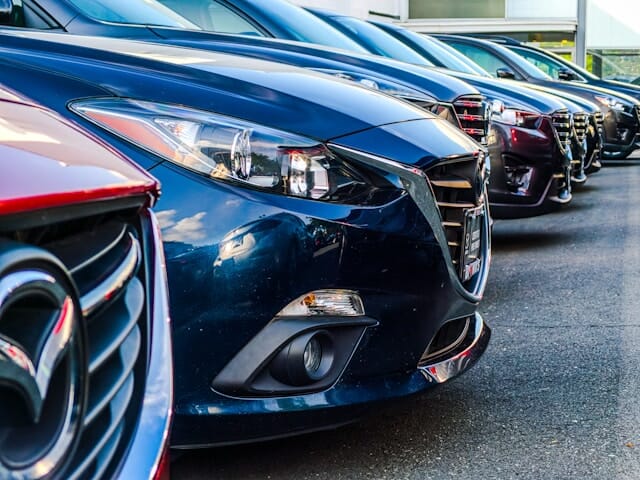
Nigeria's Federal Government has officially introduced a green tax surcharge on vehicles with large engines, and if you drive or plan to import an SUV, truck, or any heavy-engine car, this new policy directly affects your wallet. Africa's most populous nation has introduced a 4% surtax on top of standard import duties for vehicles with engine sizes of 4,000 cubic centimeters and above, and 2% on those between 2,000 and 3,999 cc.
What Exactly Is Nigeria's New Green Tax on Big Engine Vehicles?
The green tax is a surcharge specifically designed to make large, polluting vehicles more expensive to import. The 2026 Fiscal Policy Measures introduce excise duties on non-alcoholic beverages, alcoholic beverages, cigarettes and tobacco products, as well as a Green Tax Surcharge, all under the framework for implementing the ECOWAS Common External Tariff (CET) 2022--2027.
Think of it this way: the government is attaching a financial cost to pollution. The bigger your engine, the more you pay. The levy is designed to price in the cost of pollution, encourage electric vehicle adoption, and boost tax revenue.
This is a bold and deliberate move. Nigeria is telling the market: cleaner vehicles will cost you less, and heavy-emission machines will cost you more.
When Does the Green Tax on Large Vehicles Take Effect?
You need to mark this date in your calendar. The Federal Government has announced that the new excise duty framework and green tax regime will take effect from July 1, 2026.
That gives importers, car dealers, and buyers a defined window to plan ahead. Importers who processed Form 'M' before April 1 have been granted a 90-day window to clear goods using the previous rates. So if you moved early, you have some breathing room.
But for anyone planning a purchase or import after July 1, the new rates apply in full. No exceptions, no grace period.
Which Vehicles Are Affected -- and Which Ones Escape the Tax?
The 4% surtax applies to vehicles with engine sizes of 4,000 cubic centimeters and above, while a 2% surcharge covers those between 2,000 and 3,999 cc, according to an April 1 memo confirmed by Finance Minister Wale Edun.
So which vehicles fall into these brackets? Think large SUVs, pickup trucks, luxury saloons, and heavy commercial vehicles. If your vehicle carries a big engine, it carries a bigger tax bill.
But here is the relief side of the story. The policy outlines exemptions from the green tax surcharge covering vehicles with engine capacity below 2000cc, mass transit buses, electric vehicles, and locally manufactured automobiles across specified categories.
That means smaller sedans, commuter buses, EVs, and locally assembled vehicles all escape the surcharge entirely. The policy rewards efficiency and local production.
Who Signed This Policy and Why Does It Matter?
The authority behind this policy is clear. Details are contained in a circular dated April 1, 2026, and signed by the Minister of Finance and Coordinating Minister of the Economy, Wale Edun, indicating that the latest policy framework replaces the 2023 FPM.
This is not a lower-level directive. It carries the full weight of the Federal Government's economic leadership. The policy measures, which supersede the 2023 Fiscal Policy Measures, shall be published in the Official Federal Government Gazette, according to Minister Edun.
The Bigger Picture: Import Duty Cuts Come With the Green Tax
The green tax is not arriving alone. It comes packaged with significant tariff reductions across the board. Under the new regime, import duty on fully built passenger vehicles, including four-wheel drives, has been reduced to 40 percent from 70 percent.
Read that again. The standard import duty on cars drops nearly in half. This is a sharp fall from the previous 70 percent rate set in 2015.
So while large-engine vehicles attract the new surcharge, the overall import duty reduction could partially offset the added cost for some buyers. The net impact will vary depending on engine size and vehicle type.
The combined reforms are expected to ease cost pressures, encourage cleaner technologies, and strengthen Nigeria's fiscal position while promoting long-term economic growth, according to officials.
What Economists Are Saying About These Reforms
The reaction from experts has been measured and thoughtful. Professor of Capital Markets Uche Uwaleke described the policy as a "deliberate balancing act" aimed at addressing short-term economic pressures while positioning the economy for long-term growth.
He noted that the reforms create trade-offs worth watching. Lower tariffs on fully built vehicles may make cars more affordable, but they could also weaken incentives for local assembly and manufacturing, unless complementary policies like exemptions for locally produced auto components are strong enough to offset that effect.
In other words, the government is playing a balancing game: make imports cheaper to fight inflation, but use the green tax to shape which vehicles flood the market. The strategy only works if both levers pull in the same direction.
How the Green Tax Fits Into Nigeria's Broader Climate and Trade Goals
From January 2027, Nigeria will begin annual reductions of import adjustment tax rates, aiming for full elimination by 2036 in line with commitments under the African Continental Free Trade Area (AfCFTA). This signals a strategic shift toward trade liberalisation and regional economic integration.
The green tax sits within that trajectory. As trade barriers fall, the environmental surcharge ensures that the influx of vehicles leans toward cleaner, smaller-engine models rather than heavy polluters.
The exemption of electric vehicles and locally manufactured auto components signals a policy shift toward cleaner transportation and domestic production.
What This Means for Car Buyers and Importers Right Now
If you plan to import or buy a vehicle with an engine above 2,000cc, the math changes from July 1, 2026. You will pay either 2% or 4% extra on top of the already-revised import duties.
For buyers of smaller vehicles, electric cars, or locally assembled models, the policy actually works in your favour. No surcharge, plus lower overall import duties, means potentially more affordable options.
For importers who initiated transactions before April 1, the 90-day grace period gives you time to clear goods at the old rates without penalty.
Everyone else needs to factor in the new costs before signing any deals.
The Bottom Line on Nigeria's Green Tax for Big Engine Vehicles
Nigeria's Federal Government has sent an unmistakable signal with the 2026 Fiscal Policy Measures. It rewards smaller, cleaner vehicles and penalises heavy-engine polluters. The green tax surcharge of 2% to 4% takes effect July 1, 2026, it is signed into law by Finance Minister Wale Edun, and it applies across a clear engine-size framework with specific, named exemptions.
This is one of the most significant automotive policy shifts Nigeria has made in years, and it lands alongside a dramatic cut in baseline vehicle import duties. Whether you are a buyer, dealer, importer, or investor in the Nigerian auto space, understanding these changes now gives you a real advantage before July arrives.
Read More
CAC Hit by Cybersecurity Breach: Millions of Business Records Exposed and What Every Company Must Do Right Now
![Taiwo Oyedele]() Taiwo Oyedele Finally Admits Errors in Nigeria's New Tax Laws — Promise Correction Underway
Taiwo Oyedele Finally Admits Errors in Nigeria's New Tax Laws — Promise Correction Underway![CBN]() 10 CBN BVN Rules Taking Effect May 1 That Could Lock You Out of Your Account
10 CBN BVN Rules Taking Effect May 1 That Could Lock You Out of Your Account![CBN]() Why CBN Took Over Union Bank – The Full Details
Why CBN Took Over Union Bank – The Full Details
 Taiwo Oyedele Finally Admits Errors in Nigeria's New Tax Laws — Promise Correction Underway
 10 CBN BVN Rules Taking Effect May 1 That Could Lock You Out of Your Account