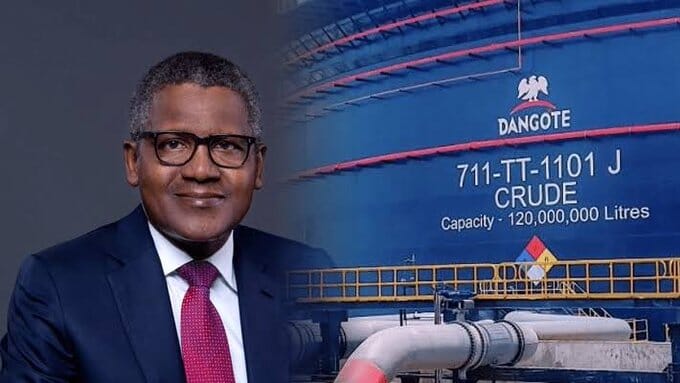
Dangote Refinery has issued a critical alert to Nigerian fuel marketers and consumers. The company states that heavy dependence on coastal logistics for petrol distribution could inflate costs significantly. This move risks driving pump prices close to N1,000 per litre if extra expenses pass to end users. Officials emphasize the need for smarter evacuation methods to maintain recent price stability.
The refinery, Africa's largest, produces up to 75 million litres of petrol daily. It recently lowered prices at its filling stations nationwide, offering relief amid economic pressures. However, the warning highlights hidden costs in supply chains that threaten this progress. Marketers face choices that directly impact consumer wallets.
Understanding the Dangote Refinery Petrol Price Warning
Dangote Petroleum Refinery released a statement outlining evacuation options for premium motor spirit (PMS). Gantry loading emerges as the most efficient method. This approach allows direct truck loading at the facility, bypassing sea-based transport. It eliminates port charges, maritime levies, and vessel costs that burden the supply chain.
In contrast, coastal logistics involves shipping fuel along Nigeria's waterways, particularly in Lagos. The refinery calculates this adds approximately N75 per litre to petrol expenses. If marketers opt for this route and transfer costs to buyers, prices could approach N1,000 per litre. This figure alarms many, given current averages hover around N850 to N900 in major cities.
The alert comes at a pivotal time. Nigeria's fuel market has shifted since the refinery began operations. Imported petrol landing costs dropped to N922.65 per litre, making local production competitive. Yet, inefficient distribution undermines these gains. Dangote urges stakeholders to prioritize cost-effective strategies for national benefit.
Impact of Coastal Logistics on Petrol Prices
Coastal delivery introduces multiple fees that accumulate quickly. These include demurrage, lightering, and regulatory charges from maritime authorities. For Lagos deliveries, the added burden is particularly acute due to port congestion and infrastructure limits. The refinery notes these expenses do not benefit consumers and erode economic well-being.
Higher petrol prices affect everyday life. Transportation costs rise, inflating goods and services. Families in urban areas like Lagos and Port Harcourt face steeper commuting expenses. Businesses, from small traders to large firms, absorb hits to profit margins. The warning underscores broader implications for inflation and consumer welfare.
Recent data shows petrol consumption patterns shifting. With Dangote's output, Nigeria reduces import dependency, saving foreign exchange. However, logistics inefficiencies could reverse this advantage. Analysts predict sustained high prices if coastal methods dominate, potentially stoking public discontent.
Alternatives to Coastal Logistics for Petrol Distribution
Dangote advocates gantry loading as the optimal solution. Trucks load directly at the refinery's gates, streamlining the process. This method cuts out intermediary costs and speeds up delivery. Marketers gain flexibility to distribute nationwide without sea transport premiums.
Pipeline infrastructure offers another viable option. Though underutilized in Nigeria, expanding pipelines could revolutionize fuel movement. Investments in this area promise long-term savings and efficiency. The refinery's statement implicitly calls for government support to enhance such systems.
Road transport via trucks remains practical for inland areas. Combining gantry loading with optimized trucking minimizes losses. Dangote encourages marketers to evaluate these based on location and volume. The goal is to keep petrol affordable while supporting local refining.
Economic Implications for Nigeria's Fuel Market
Nigeria's energy sector stands at a crossroads. Dangote Refinery's entry boosts domestic capacity, aiming for self-sufficiency. Yet, the logistics warning reveals systemic challenges. High evacuation costs could deter marketers from local sourcing, favoring imports despite lower landing fees.
Inflationary pressures mount if prices hit N1,000. The Central Bank of Nigeria monitors fuel costs closely, as they influence monetary policy. Consumers in regions like Rivers State already grapple with variable prices. A nationwide spike risks social unrest, echoing past subsidy removal protests.
On a positive note, efficient logistics could stabilize the market. Dangote's price reductions demonstrate potential for lower costs. If adopted widely, gantry methods might hold prices below N900, benefiting millions.
Preventing Petrol Price Surge
Stakeholders must act swiftly. Government agencies like the Nigerian National Petroleum Company Limited should facilitate infrastructure upgrades. Policies incentivizing efficient evacuation could include tax breaks for gantry users.
Marketers bear responsibility too. Choosing cost-effective methods preserves consumer trust and market stability. Dangote Refinery commits to high-volume production, ensuring supply meets demand.
Consumers play a role by staying informed. Monitoring price trends and supporting local initiatives fosters accountability. As Nigeria advances toward energy independence, addressing logistics gaps is crucial.
In summary, Dangote Refinery's warning serves as a wake-up call. Coastal logistics threatens to push petrol to N1,000 per litre, but alternatives exist. By prioritizing efficiency, Nigeria can secure affordable fuel for all. Stay updated on developments to navigate these changes effectively.