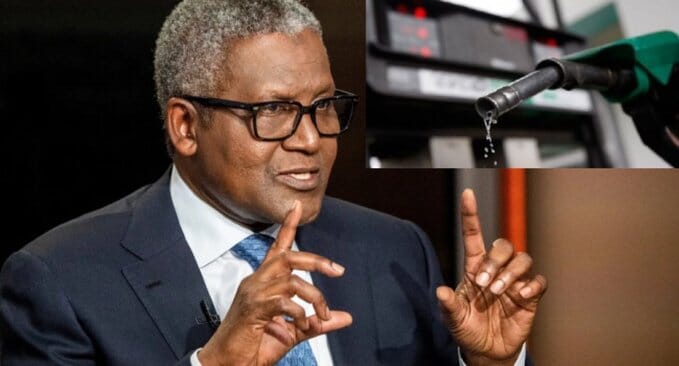
Dangote Group takes a bold step forward. Three key subsidiaries sign expanded gas supply contracts with Nigerian National Petroleum Company units. This move secures vital energy resources for ambitious growth plans. Dangote Petroleum Refinery, Dangote Fertiliser Plant, and Dangote Cement Plc lead the charge.
They partner with Nigerian Gas Marketing Limited and NNPC Gas Infrastructure Company. The agreements, inked at the Nigeria Gas Master Plan 2026 event in Abuja, promise increased natural gas volumes to fuel operations.
These deals build on prior arrangements. In November 2024, Dangote Refinery locked in a 10-year gas purchase agreement for 100 million standard cubic feet per day. That pact included 50 million as firm supply and 50 million as interruptible.
Now, the expansion escalates commitments to match rising demands from ongoing projects. Leaders from both sides hail the collaboration as a milestone for Nigeria's industrial landscape.
Key Details of Dangote Refinery Gas Deals with NNPC
Executives outline clear objectives. The upscaled contracts target energy needs for expansion across refinery, fertiliser, and cement sectors. Dangote aims to ramp up output significantly. For the refinery, this means more reliable fuel for processing crude into petroleum products. The fertiliser plant gains stability for urea production, while cement operations benefit from cleaner burning fuel.
David Bird, CEO of Dangote Petroleum Refinery, emphasizes proactive planning. He states the agreements lock in vast energy supplies ahead of capacity increases. This reduces risks from supply shortages in Nigeria's volatile gas market. NNPC executives echo this sentiment, noting alignment with national goals for gas utilization and reduced flaring.
The deals also promote compressed natural gas adoption. They support autogas initiatives, meeting growing demand for cleaner vehicle fuels. This positions Dangote as a key player in Nigeria's transition to sustainable energy sources.
Impact on Dangote Refinery Expansion Programmes
Expansion takes center stage. Dangote's Vision 2030 drives these efforts, focusing on higher production and efficiency. The refinery, Africa's largest, plans to boost refining capacity beyond current levels. Secure gas supply ensures uninterrupted operations during upgrades.
For the fertiliser plant, increased gas means scaling urea output to meet domestic and export demands. Cement production will see enhanced kiln efficiency, cutting costs and emissions. Overall, these moves promise job creation and economic ripple effects across Nigeria.
Analysts predict broader benefits. Reliable energy reduces dependence on imported fuels, stabilizing local prices. This could ease Nigeria's foreign exchange pressures and foster industrial self-sufficiency.
Benefits of NNPC Gas Agreement for Fuel Security
Fuel security emerges as a core win. Nigeria grapples with chronic shortages and import reliance. Dangote's deals secure domestic gas for refining, potentially increasing gasoline and diesel availability. This aligns with government pushes for local content in energy.
The agreements guarantee volumes needed for compressed natural gas growth. As Nigeria promotes autogas, Dangote's role strengthens. This reduces oil import bills and curbs environmental impact from flaring excess gas.
Industry experts applaud the partnership. It exemplifies public-private collaboration driving growth. By expanding gas infrastructure, NNPC supports Dangote's mega-projects while advancing national gas master plans.
Economic and Environmental Advantages from the Deal
Economic gains abound. Increased production at Dangote facilities could add billions to Nigeria's GDP. Job opportunities in construction, operations, and supply chains will multiply. Local communities near facilities stand to benefit from infrastructure improvements.
Environmentally, the shift to gas cuts carbon footprints. Cleaner fuel replaces dirtier alternatives in cement kilns and refinery processes. This supports Nigeria's commitments to global climate goals.
Challenges remain, however. Gas pipeline infrastructure needs upgrades to handle increased flows. Regulatory hurdles could slow implementation. Yet, both parties commit to overcoming these for mutual success.
Looking ahead, this deal sets a precedent. It paves the way for more integrated energy strategies in Africa. Dangote's expansion could position Nigeria as a refining hub, exporting to neighboring countries.
Investors watch closely. Stable energy supply enhances Dangote's appeal for funding further growth. NNPC gains from monetizing gas reserves more effectively.
In summary, these gas deals mark a transformative chapter. They secure fuel for expansion, boost efficiency, and drive sustainable development. Stakeholders anticipate rapid progress as projects unfold.