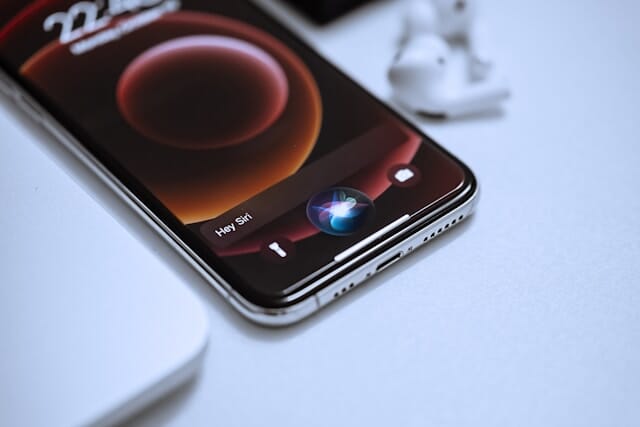
Apple is quietly testing exactly what millions of users have begged for: a voice assistant that understands and acts on multiple requests at once.
Imagine telling Siri, “Check the weather, create a calendar appointment, and send a message.” One prompt. Three actions. Done. No more repeating yourself. No more frustration. Reports confirm Apple is building this capability right now.
The nearly 15-year-old digital assistant is getting its biggest overhaul yet. According to people familiar with the work, engineers are baking multi-request support directly into iOS 27, iPadOS 27, and macOS 27. These updates roll out later this year, with previews expected at WWDC in June.
The Breakthrough Feature That Changes Everything
Current Siri forces you to speak one command, wait for a response, then speak again. That back-and-forth kills momentum. The new version breaks this limitation completely.
You can now combine steps in a single natural sentence. For example, ask Siri to get directions to a location and instantly send those directions to a friend. Or request the weather forecast while setting a reminder and drafting a quick text. Siri parses every part and executes them all.
This leap feels personal because it finally matches how real people talk. You do not plan your thoughts one step at a time. Neither should your assistant.
Why Siri Could Not Do This Before
This limitation has frustrated Apple users for over a decade, and it was not a minor oversight.
Siri has long been limited to a single command for most requests, and the personal assistant is not able to parse queries with multiple components. Siri can answer follow-up questions without being activated via wake word, but the requests still need to be separate.
While it already supports follow-up requests without repeating "Hey Siri," each task still has to be done separately, which feels outdated compared to tools like ChatGPT and Google's Gemini.
The gap between what users expect and what Siri delivers became impossible to ignore. Modern AI assistants parse natural language with multiple variables as a baseline feature. Siri simply could not.
Multi-command support would represent one of the more tangible improvements -- the kind of thing a user notices immediately. Not because it's flashy, but because it removes a friction point that has annoyed people for over a decade.
How the Smarter Siri Works in Real Life
Picture your busy morning. You say, “Check the weather, add a haircut appointment at 5 pm to my calendar, and text my wife that I will be home late.” Siri handles the weather check, books the slot, and sends the message without missing a beat.
Or you are driving and need help fast: “Get directions to the coffee shop and send them to my colleague.” Siri grabs the route and shares it in seconds.
These examples come straight from reports on Apple’s internal testing. The assistant now understands context across multiple actions instead of treating each request in isolation.
You will feel the difference immediately. Everyday tasks flow naturally instead of feeling clunky and robotic.
The Technology Powering the New Siri
This upgrade is not a small patch. Apple is rebuilding Siri's intelligence layer from the ground up.
Apple's new Siri will be powered by an entire new foundation model, which uses Google's Gemini technology at its core. It will allegedly include the features promised, but not delivered, as part of iOS 18 -- understanding of personal context, the ability to see and react to what is on screen, and the ability to take hundreds of different actions within apps.
The upgrade is expected to arrive as part of Apple's continued rollout of Apple Intelligence features, the on-device and cloud-based AI framework the company introduced at WWDC 2024. Apple Intelligence was pitched as the connective tissue that would finally make Siri contextually aware, personally relevant, and -- critically -- competent at tasks that users actually attempt in the real world.
This is also the same infrastructure that enables Siri to understand your screen and act across apps. Multi-request handling sits inside a much larger system.
Deeper Integration With Apple Intelligence Powers It All
This multi-request magic sits at the heart of Apple Intelligence, the AI framework Apple has refined since June 2024. The smarter Siri gains personal context about you, understands what is on your screen, and acts across apps more fluidly than ever.
It can pull information from the web to summarize details on the fly. Some reports hint at a feature possibly called World Knowledge Answers. Siri may also tap into Image Playground for quick image creation when your request calls for it.
Apple is turning Siri into a true chatbot experience while keeping its deep system integration. A standalone Siri app could even appear, giving you a dedicated space for longer conversations.
The result? An assistant that feels like it truly knows you and your devices.
Timeline: When You Can Expect the Smarter Siri
Apple plans to preview these features at WWDC 2026, which kicks off June 8. Full rollout lands with the public release of iOS 27, iPadOS 27, and macOS 27 in fall 2026.
Some capabilities may carry a “Preview” label at first, just like the initial Apple Intelligence tools. A spring 2027 update could bring even more polish if needed.
You do not have long to wait. The smarter Siri is closer than it has ever been.
Why This Update Matters More Than You Think
Siri has lagged behind newer AI assistants for years. Users grew tired of its single-command limits while competitors handled complex, multi-step prompts effortlessly.
Apple listened. By enabling multiple requests, the company closes that gap and restores the joy of using voice on Apple devices.
Think about accessibility. People with mobility challenges or busy hands gain huge freedom when one sentence handles several tasks. Parents juggling kids, professionals in meetings, drivers on the road—all benefit instantly.
Productivity skyrockets too. You waste less time repeating yourself and more time living your day.
Apple’s Quiet Push to Catch Up in the AI Race
The multi-request feature is not a standalone gimmick. It forms part of a broader effort to make Siri competitive with ChatGPT, Gemini, and Claude. Apple wants its assistant to feel modern without sacrificing privacy or on-device speed.
Reports show engineers focused on natural language parsing that handles multiple variables and actions at once. The goal is simple: make interactions feel effortless and human.
You asked for a smarter Siri. Apple is delivering.
What This Means for Your Apple Ecosystem
The smarter Siri works seamlessly across iPhone, iPad, and Mac. Your commands travel with you whether you are on the couch, at your desk, or on the go.
Because it ties into Apple Intelligence, the assistant respects your privacy by keeping as much processing on-device as possible. You get powerful AI without handing over your data.
Existing Siri users will notice the change right away. New users will wonder why voice assistants ever felt limited.
Looking Ahead: The Future of Voice on Apple Devices
This multi-request capability opens the door to even bigger leaps. Once Siri masters multiple steps reliably, Apple can layer on more advanced context, deeper app integration, and richer personal insights.
You stand at the edge of a more conversational, more capable Apple experience. The assistant you talk to every day is about to become the one you actually love using.
Apple kept this development under wraps until now, but the testing phase shows real momentum. The company is committed to making Siri smarter, faster, and far more useful.
You no longer need to settle for basic commands. The era of multi-request Siri is here.
Start preparing your favorite multi-step prompts. When iOS 27 lands, you will be ready to experience voice assistance the way it was always meant to feel—effortless, intuitive, and genuinely helpful.
Apple’s smarter Siri is not just an update. It is the voice assistant you have been waiting for.