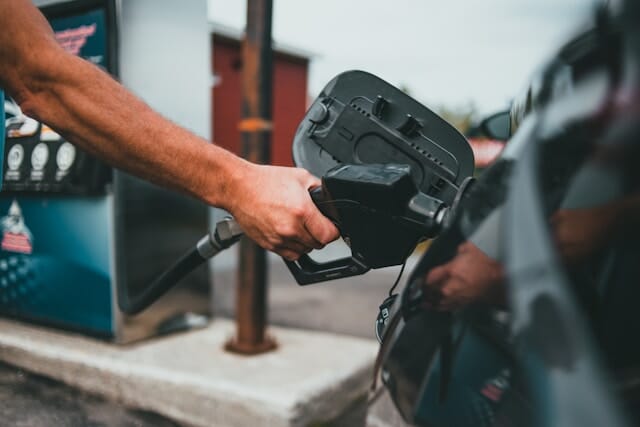
Nigeria's energy sector delivers welcome news as fuel prices trend downward. The Federal Government, through the Nigerian Midstream and Downstream Petroleum Regulatory Authority (NMDPRA), confirms that prices for petrol, diesel, and LPG will sustain their decline.
This assurance comes amid rising domestic production and market competition. Nigerians seek clarity on why prices drop, how much they save, and what the future holds. This article provides accurate insights to address these questions.
 Shell Announces $20bn Investment in Bonga South West Oil Project to Drive Nigeria’s Energy Growth
Why Fuel Prices in Nigeria Are Falling
Increased supply drives the price reductions. Dangote Refinery and other local producers boost output, flooding the market with affordable fuel. NMDPRA officials note that petrol prices have already fallen from about N1,000 to N800 per liter. Diesel and LPG follow similar patterns, with projections showing drops of 1.64% to 3.89% for petrol, 2.42% to 4.59% for diesel, and 0.73% to 2.16% for LPG.
Competition replaces subsidies as the key stabilizer. Authorities emphasize that more suppliers mean lower costs for consumers. This shift supports economic growth in agriculture and transportation, where fuel expenses heavily influence operations. Stakeholders urge patience as the market adjusts, promising long-term affordability.
Current Trends in Petrol Prices Nigeria
Petrol leads the decline, offering immediate relief to drivers and businesses. Recent data shows prices stabilizing below N800 per liter in many regions, down from peaks over N1,000. This drop results from enhanced refining capacity and imports.
Consumers report savings at pumps, with urban areas like Lagos and Abuja seeing the fastest changes. Rural regions follow suit as distribution improves. Experts predict further petrol price falls as production ramps up, potentially reaching N700 or lower by mid-2026. Monitor local stations for the best deals, as competition intensifies.
Diesel Prices Fall: Impacts on Transportation
Diesel prices mirror the downward trajectory, benefiting haulage and manufacturing sectors. Prices have decreased notably, easing burdens on transporters who faced high costs earlier. NMDPRA attributes this to surplus supply from domestic refineries.
Business owners celebrate the trend, as lower diesel costs reduce logistics expenses. This ripple effect lowers goods prices, combating inflation. For instance, farmers transport produce cheaper, stabilizing food markets. The government encourages investments in diesel-efficient technologies to maximize these gains.
LPG Prices Decrease: Boost for Households
LPG, or cooking gas, sees steady price reductions, aiding millions of households. Families switch to cleaner energy sources as costs fall, promoting health and environmental benefits. Current prices hover lower than last year's averages, with further declines expected.
The government pushes LPG adoption through awareness campaigns. Reduced prices make it accessible, reducing reliance on firewood and charcoal. This shift supports Nigeria's green energy goals while saving families money on daily cooking needs.
Government Assurance on Fuel Prices Nigeria 2026
The Federal Government stands firm on its promises. NMDPRA Chief Executive Farouk Ahmed states that sustained competition ensures adequate supply at fair prices. Officials map resources to enhance exploration and refining.
Policies focus on transparency and efficiency. Regulators monitor markets to prevent hoarding or price gouging. Nigerians gain from these measures, as the government prioritizes public welfare over short-term gains. This approach builds trust and encourages foreign investments in the sector.
Economic Benefits of Falling Fuel Prices
Lower fuel costs ignite economic activity. Transportation firms cut fares, making travel affordable. Agriculture thrives as farmers afford inputs and machinery fuel. Overall, inflation eases, boosting purchasing power for everyday Nigerians.
Small businesses expand operations with reduced overheads. Entrepreneurs in manufacturing and services report higher profits. The ripple effects extend to education and healthcare, where transport savings free up budgets. Economists forecast GDP growth tied to these fuel price dynamics.
Future Outlook for Petrol, Diesel, LPG Prices
Looking ahead, experts anticipate continued declines through 2026. Increased refinery outputs and global oil stability support this trend. The government plans infrastructure upgrades to streamline distribution.
Challenges like currency fluctuations may arise, but robust policies mitigate risks. Nigerians should stay informed via official channels for updates. This positive trajectory positions Nigeria as a regional energy leader.
In summary, the Federal Government's assurance on falling fuel prices delivers tangible benefits. Petrol, diesel, and LPG costs decrease due to supply surges and competition. Embrace these changes for savings and growth. Share this article and subscribe for more updates on Nigeria's energy sector.
Read More
- Six Internet Providers Approved by NCC to Expand Nigeria’s Satellite Broadband Market
- FCCPC Begins Crackdown on Unregistered Digital Loan Apps as Compliance Window Closes
- Nigeria’s Ex-Oil Minister Diezani Alison-Madueke Faces Major Bribery Trial in London
- FG Bans DisCos From Charging Customers for Prepaid Meter Installation, Threatens Sanctions