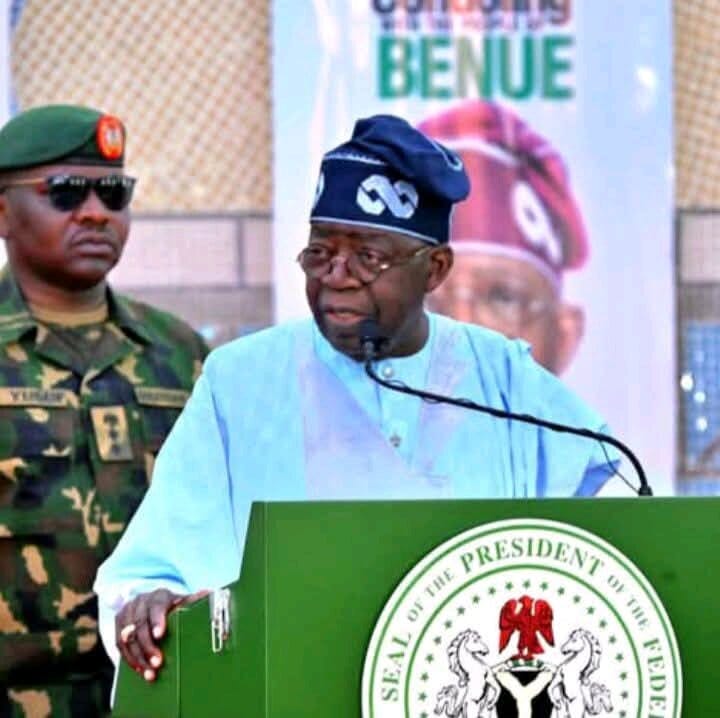
Nigeria's security apparatus recently thwarted a grave threat to democracy. Investigators revealed that coup plotters targeted President Bola Tinubu for assassination. They also planned to kill Vice President Kashim Shettima, Senate President Godswill Akpabio, and Speaker Tajudeen Abbas.
This exclusive report details how the State Security Service (SSS) coordinated a covert intelligence operation with the Army Headquarters to expose and dismantle the conspiracy. Sources close to the investigation confirm the plot aimed to install a military regime, relying on insiders within the Presidential Villa.
Military insiders disclosed that the scheme involved disgruntled officers frustrated by career stagnation. Promotion failures fueled their resentment. The plotters sought to exploit these grievances to recruit collaborators. Civilians, including a retired general and a former governor, allegedly provided funding. This report draws from verified accounts to provide an accurate, engaging narrative.
 FG Assures Nigerians Petrol, Diesel and LPG Prices Will Continue to Fall
Plot to Kill Tinubu: The Initial Tip-Off
An unnamed military officer sparked the breakthrough in late September 2025. This officer contacted then Chief of Army Staff Olufemi Oluyede. He feared implication in treason if he stayed silent. The tip-off described a network of serving officers plotting to destabilize the government. Independently, SSS Director-General Oluwatosin Ajayi gathered parallel intelligence. His team detected unusual communications among army personnel.
Ajayi briefed Oluyede directly. This collaboration launched a discreet joint probe. Intelligence analysts monitored suspects' movements and calls. They identified informants in the Presidential Villa tracking the targets' schedules. The plotters planned simultaneous strikes to create chaos. Assassins targeted the president during routine travels. Detentions, not killings, awaited senior military chiefs to neutralize opposition quickly.
This phase emphasized speed and secrecy. Operatives used advanced surveillance tools to map the conspiracy. The operation avoided alerting the plotters. By piecing together fragments, investigators confirmed the threat's severity. The plot extended beyond military ranks, involving civilian financiers like retired General Adamu and former Governor Timipre Sylva, who remain at large.
Intelligence Operation Coordinated by SSS: Key Strategies
The SSS led the charge with precision. They coordinated arrests across multiple states on September 30, 2025. This coincided with President Tinubu's trip to Imo State. Unaware of the danger, he proceeded with his schedule. Meanwhile, teams swooped in on principal architects. Sixteen officers faced detention initially.
Chief of Defence Intelligence Emmanuel Undiandeye managed suspect holding. He utilized the Defence Intelligence Agency's secure facility. Post-arrest interrogations yielded more leads. One soldier escaped briefly but SSS agents recaptured him in Bauchi. This swift action prevented leaks.
The operation employed link analysis to trace funding and recruitment. Investigators linked the coordinator, Colonel Mohammed Ma'aji, to the scheme's core. Ma'aji allegedly motivated recruits by highlighting promotion injustices. His role as financier and planner emerged from testimonies. The probe revealed plans to truncate former President Buhari's handover to Tinubu, showing long-term ambitions.
Tinubu received a formal briefing shortly after. He canceled the October 1 Independence Day parade for safety. He also authorized a special panel under Undiandeye. This led to further arrests, expanding the net to civilians. The military's initial statements downplayed the coup, calling it a routine discipline check. However, on January 26, 2026, they admitted the plot publicly. Indicted officers now await military trials.
Coup Plot Against Tinubu: Targets and Motivations
Plotters selected high-profile targets to dismantle leadership swiftly. Tinubu topped the list as the government's head. Shettima, Akpabio, and Abbas followed to paralyze executive and legislative branches. Insiders provided real-time data on their locations. This insider betrayal amplified the threat.
Motivations rooted in professional discontent. Many officers failed promotion exams repeatedly. They blamed systemic biases. Ma'aji exploited this anger, promising reforms under a new regime. Funding from Adamu and Sylva sustained operations. These backers sought political gains from instability.
The plot's scope alarmed officials. It risked reversing Nigeria's democratic progress. Sources note similar grievances echoed in past coups. This time, proactive intelligence averted disaster. The operation's success bolsters confidence in security agencies.
Foiled Assassination Plot: Aftermath and Reforms
Arrests triggered leadership changes. Tinubu retired Chief of Defence Staff General Christopher Musa, along with navy and air force chiefs. Oluyede ascended to CDS and earned a promotion to General. Musa later returned as Defence Minister. These moves aimed to restore discipline.
The investigation continues. Military panels will arraign suspects under the Armed Forces Act. Public acknowledgment on January 26 marked transparency. It detailed ethical breaches and coup intentions. PREMIUM TIMES first reported the story, prompting wider scrutiny.
This foiled plot underscores Nigeria's vulnerabilities. Economic pressures and military unrest fuel such risks. Reforms in promotions and welfare could prevent future threats. Citizens demand accountability to safeguard democracy.
Experts praise the SSS-Army synergy. It demonstrates effective counterintelligence. Future operations may adopt similar models. Tinubu's administration vows enhanced security measures.
Read More
- MultiChoice Cuts DStv and GOtv Subscription Prices and Introduces Shared Payments to Make Subscriptions More Affordable
- Wema Bank Launches Voice Banking Feature on ALAT Platform – Bank Smarter with Just Your Voice
- PayPal Returns to Nigeria Through Paga Partnership to Revolutionize International Naira Payments
- Six Internet Providers Approved by NCC to Expand Nigeria’s Satellite Broadband Market