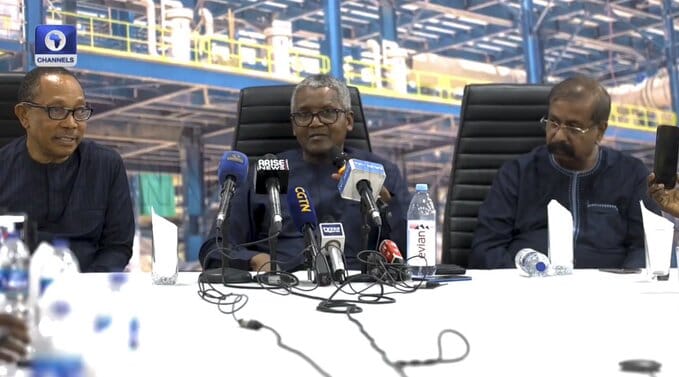
Aliko Dangote, Africa's richest man and chairman of Dangote Industries, recently made headlines by withdrawing a high-profile corruption petition. The case targets Farouk Ahmed, former chief executive of the Nigerian Midstream and Downstream Petroleum Regulatory Authority (NMDPRA).
This shift from the Independent Corrupt Practices Commission (ICPC) to the Economic and Financial Crimes Commission (EFCC) raises questions about strategy and potential biases.
The move highlights ongoing tensions in Nigeria's petroleum sector. Dangote's actions stem from allegations of financial misconduct by Ahmed. Understanding this case provides insight into anti-corruption efforts in Africa's largest economy.

Background of Dangote Farouk Ahmed Corruption Allegations
The saga began amid disputes over Dangote's refinery operations. Farouk Ahmed publicly criticized the quality of diesel from Dangote's facility, sparking a public feud. Dangote accused Ahmed of sabotaging local production to favor imports.
In December 2025, Dangote filed a petition with ICPC. He alleged Ahmed spent over $7 million on his children's education in Switzerland, far exceeding his official salary. This suggested corruption and abuse of office.
Ahmed denied the claims, calling them baseless. The petition demanded Ahmed's arrest and prosecution. It aimed to expose violations of public officer conduct codes.
Public interest surged as the case involved a billionaire industrialist and a top regulator. Media outlets covered the escalating drama extensively.
Dangote's Initial Petition to ICPC on Farouk Ahmed Corruption
Dangote's legal team, led by Dr. O.J. Onoja SAN, submitted the petition on December 16, 2025. It detailed Ahmed's alleged financial impropriety, including upfront payments for six years of schooling.
ICPC confirmed receipt and began investigations. They contacted the Swiss school for verification. Spokesperson John Odey emphasized the probe's focus on public interest.
The commission invoked sections 3(14) and 27(3) of its act to justify continuing despite any withdrawal. This showed ICPC's commitment to transparency.
Industry watchers praised Dangote for using formal channels. It signaled a push for accountability in regulatory bodies.
Reasons Dangote Withdrew Farouk Ahmed Corruption Case from ICPC
Fresh facts reveal the primary reason for withdrawal. Sources indicate concerns over Ahmed's spouse holding a key position in ICPC. This raised fears of potential interference in the investigation.
A credible industry source stated that after filing, Dangote learned of the marital link. No one confirmed how it might affect the probe, but interference worries prompted the shift.
Dangote's team sent a withdrawal notice on January 5, 2026. It stated another agency had taken over. Neither Dangote nor his lawyers commented publicly on the reasons.
Legal expert Dr. Lilian Ojimma explained petitioners can switch agencies. However, simultaneous filings in multiple bodies are prohibited.
ICPC spokesperson denied knowledge of any such spouse. He assured no interference would occur and the investigation continues.
Expert Analysis on Dangote Withdrawing ICPC Petition to EFCC
As an authority on Nigerian business and governance, this shift appears tactical. Dangote likely prioritized speed and neutrality.
Sources confirm the spouse concern as pivotal. ICPC's denial adds intrigue, but caution prevailed.
EFCC's involvement may yield quicker results. Their track record in financial crimes suits this.
The case tests President Bola Tinubu's anti-corruption stance. Fair resolution could deter future abuses.
Stakeholders watch closely. Outcomes may reshape regulatory oversight in energy.
Read More
- Finland Opens Application Portal for Nigerian Workers with ₦2.2 Million Minimum Monthly Wage
- How to Start Investing in Nigerian Stocks in 2026: Your Complete Step-by-Step Guide
- Top 5 Best Approved Stock Brokers for Investing in Nigerian Stocks in 2026
- Flutterwave Acquires Mono to Transform Open Banking Across Africa