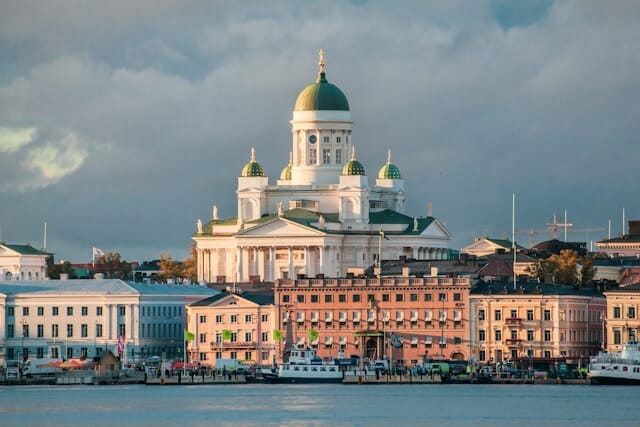
Nordic nations continue to dominate, but newcomers from Latin America shake up the list. This report, based on data from over 140 countries, measures life satisfaction on a scale of 0 to 10.
Factors include GDP per capita, social support, healthy life expectancy, freedom to make choices, generosity, and low corruption perceptions. The 2026 edition spotlights benevolence, showing how kindness enhances happiness for everyone involved.

1. Finland: The Happiness Champion (Score: 7.736)
Finland maintains its position at the summit of global happiness for an unprecedented eighth year. This Nordic nation of 5.6 million people proves that happiness isn't about wealth alone.
Finnish citizens demonstrate strong feelings of communal support and mutual trust, which helped them navigate challenges like the COVID-19 pandemic. Finns feel free to make their own choices and show minimal suspicion of government corruption.
The country's universal healthcare, excellent education system, and robust social safety nets create an environment where people feel secure and supported throughout their lives.
2. Denmark: The Consistent Runner-Up (Score: 7.521)
Denmark has held the second position for seven consecutive years and previously topped the list in 2012, 2013, and 2016. Danes excel in work-life balance, environmental quality, and healthcare access.
Denmark prides itself on having one of the smallest wealth gaps in the world, and the report shows that societies sharing burdens and benefits equally tend to be happier.
The Danish concept of "hygge" (cozy contentment) reflects a cultural emphasis on enjoying simple pleasures and quality time with loved ones.
3. Iceland: The Resilient Island (Score: 7.515)
Iceland has occupied the third position since 2022, offering enchanting landscapes, low taxes, and free healthcare and education. This volcanic island nation combines natural beauty with progressive social policies.
Iceland boasts the highest feeling of social support among the top seven happiest countries. The tight-knit community creates strong bonds that help residents weather both literal and metaphorical storms.
Iceland's commitment to gender equality and environmental sustainability contributes to its citizens' overall life satisfaction.
4. Sweden: Where Older Citizens Thrive (Score: 7.345)
Sweden rounds out the Nordic quartet in the top five. The country ranks fourth for happiness among older adults, though it places only 18th for younger people under 30.
Sweden's comprehensive welfare system, generous parental leave policies, and emphasis on equality create a society where people feel valued throughout their lives. The Swedish principle of "lagom" (not too much, not too little) promotes balance and moderation.
Free university education and strong labor protections give Swedes confidence in their futures and their children's prospects.
5. Netherlands: The Generous Leader (Score: 7.306)
The Netherlands scored higher in generosity than any other top-seven country and also had the highest GDP. Dutch society balances prosperity with compassion.
The Netherlands leads in cycling infrastructure, promoting healthy lifestyles and environmental consciousness. Dutch directness in communication creates clarity in relationships, while the famous "gezelligheid" (coziness and conviviality) fosters warm social connections.
Progressive social policies and world-class healthcare make the Netherlands a model of modern happiness.
6. Costa Rica: Latin America's Breakthrough (Score: 7.274)
Costa Rica jumped from 12th to 6th place, marking the highest ranking ever for a Latin American nation and positioning it as the strongest-performing non-European country in this year's report.
This Central American nation demonstrates that happiness doesn't require massive wealth. Costa Ricans embrace "pura vida" (pure life), a philosophy celebrating simple pleasures, strong family bonds, and appreciation for nature.
Costa Rica outperforms wealthier nations in life satisfaction despite lower income levels, buying wellbeing more efficiently. The country abolished its military in 1948, redirecting resources to education and healthcare.
7. Norway: The Balanced Society (Score: 7.262)
Norwegian citizens feel well cared for by their government through universal healthcare and free college tuition. Norway exemplifies how natural resource wealth can benefit entire populations.
Norwegians enjoy a healthy work-life balance, working an average of 27 hours per week compared to 36 hours in the United States. The country maintains a low crime rate and strong sense of community.
Norway's sovereign wealth fund ensures future generations will benefit from today's oil revenues, creating intergenerational trust.
8. Israel: Resilience Through Challenges (Score: 7.234)
Israel dropped from 5th to 8th place this year, yet continues ranking among the world's happiest nations despite the ongoing Gaza war that began in 2023.
Israel showed emotional resilience following the October 7th attack, with a score of 7.234. Strong family connections, vibrant culture, and a sense of shared purpose contribute to Israeli happiness.
The country demonstrates how happiness can persist even during difficult times when communities support each other.
9. Luxembourg: The Small Powerhouse (Score: 7.122)
Luxembourg combines the benefits of a strong economy with a high quality of life. This tiny European nation offers multilingual education, excellent infrastructure, and a diverse international community.
High wages and low unemployment create economic security, while the compact size fosters a strong sense of community. Luxembourg invests heavily in culture, education, and green spaces.
10. Mexico: The Surprising Contender (Score: 6.979)
Mexico entered the top 10 for the first time, jumping 15 spots. This achievement highlights the importance of family bonds, community celebration, and cultural richness in creating happiness.
Mexican culture emphasizes family gatherings, festivals, and strong social networks that provide emotional support. Despite economic challenges, Mexicans report high life satisfaction through close relationships and cultural traditions.
The country shows that happiness stems from more than economic indicators alone.
What Makes These Countries So Happy?
Strong Social Support Systems: Citizens know they can rely on their communities during difficult times. People's perceptions of others' generosity tend to be pessimistic, but acts of kindness like returning lost wallets happen more often than expected, significantly boosting happiness.
Trust in Institutions: Low corruption and effective governance create stable environments where people feel their voices matter.
Work-Life Balance:Time for family, leisure, and personal pursuits improves quality of life more than longer working hours.
Universal Healthcare and Education: Access to essential services without financial stress reduces anxiety and creates opportunities.
Income Equality: Societies with smaller wealth gaps report higher happiness as people feel valued regardless of their economic position.
Countries That Missed the Top 10
Several wealthy nations fall short of the top rankings. The United Kingdom and United States barely make the top 25, while France dropped to 33rd place, losing 6 ranks from the previous edition.
Australia dropped from 10th to 11th place, narrowly missing the global top 10 despite high life expectancy and robust social systems.
Political polarization, declining social trust, and increased loneliness explain some wealthy nations' lower rankings. Around 25% of Americans reported eating all their meals alone the previous day in 2023, a 53% increase since 2003.
How Happiness is Measured in 2026
The World Happiness Report evaluates nations across multiple dimensions. Researchers analyze three-year data averages to smooth out temporary fluctuations from specific events.
Beyond the six main factors, the 2025 edition emphasizes social trust and benevolence, analyzing behaviors like sharing meals, helping strangers, and returning lost wallets to assess how caring and community engagement contribute to happiness.
Emotional wellbeing measurements capture daily experiences like laughter, worry, and sadness to provide a fuller picture of quality of life.
Read More
- Why You Should Never Drink Water Immediately After Eating
- How World Leaders Communicate When They Don't Speak the Same Language
- Why Are People Left-Handed? Unraveling the Mystery of the 10%
- 10 Ways Being Left-Handed Impacts Your Health: Surprising Insights
- If Someone Is Born Deaf, What Language Do They Think In?