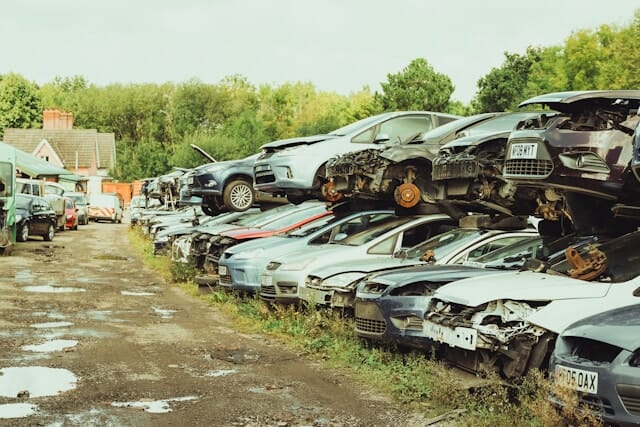
The Vehicle Recycling Fee is an environmental charge that funds the proper disposal and recycling of end-of-life vehicles. This fee ensures cars are dismantled safely, hazardous materials are handled correctly, and valuable materials are recovered for reuse.
Most car buyers pay this fee once when purchasing a new or used vehicle. The money goes directly into programs that prevent automotive waste from polluting landfills and waterways.
How the Vehicle Recycling Fee Works and Why It Exists
Vehicle recycling fees exist because cars contain toxic materials like mercury, lead, and fluids that can contaminate soil and groundwater. Without proper disposal systems, these hazards pose serious environmental and health risks.
The fee creates a financial framework for certified recyclers to safely extract hazardous components, drain fluids, and recover metals, plastics, and glass. This system turns environmental responsibility into economic sustainability.
Different regions implement this fee differently. Some collect it at vehicle registration, others during the initial purchase, and some jurisdictions don't charge it at all.
Who Pays the Vehicle Recycling Fee and When
Vehicle buyers typically pay this fee at the point of sale or during registration renewal. The exact timing depends on your location and local regulations.
New car buyers often see this charge itemized on their purchase agreement alongside sales tax and registration fees. Used car transactions may also include this fee, though policies vary by state or province.
Benefits of Nigeria's Vehicle Recycling Fee for Owners and Economy
One of the standout advantages is job creation: thousands of opportunities in dismantling, logistics, refurbishing, and resale. This could revitalize local economies, especially in urban areas with high vehicle density.
Environmentally, it reduces pollution and supports Nigeria's green transition, including EV and CNG adoption. Economically, the government projects over N150 billion in annual revenue, which can be reinvested into infrastructure and training.
For car owners, it means access to higher-quality used parts and potentially lower long-term costs through a formalized market. Plus, it fosters innovation, like an upcoming Auto Industry Bill to solidify these reforms into law.
When Does the Vehicle Recycling Fee Start in 2026?
Set to kick off in 2026, the fee will be integrated into the vehicle registration process for both new and used cars. This timeline coincides with other reforms, such as mandatory pre-export certification for imported used vehicles. Exporters abroad will bear the certification costs, aiming to prevent the dumping of unroadworthy cars in Nigeria.
Why 2026? It's positioned as a pivotal year for automotive modernization. The government is using the lead time to train regulators on emerging technologies like electric vehicles (EVs) and compressed natural gas (CNG) conversions. By then, formal certifications for maintenance will be in place, ensuring the industry is ready. If you're planning a vehicle purchase soon, factor this in to avoid surprises.
Purpose of the Mandatory Vehicle Recycling Fee Explained
At its core, the fee aims to formalize Nigeria's vehicle recycling industry, curbing environmental degradation from improper disposal. Currently, many old cars are left to rust, leaking toxins into soil and water. This policy changes that by funding structured dismantling and recycling, promoting sustainability.
It also addresses economic inefficiencies. Nigeria's informal "Belgian parts" market where second-hand auto components are sold will be formalized, creating transparency and safety. Broader goals include reducing import dependence, encouraging local vehicle design, and supporting component manufacturing. In essence, it's about turning waste into wealth while protecting public health.
Expected Impact and Revenue from the Vehicle Recycling Fee
Projections indicate the fee could generate more than N150 billion yearly, providing a substantial boost to national coffers. This revenue stems from formalizing a market that's currently untapped and informal.
Impacts extend to import controls: with stricter certifications, the flood of low-quality vehicles may slow, encouraging local assembly. However, initial resistance is expected, as seen in public discourse labeling it an extra tax. To counter this, the government is launching awareness campaigns.
In terms of broader effects, it could position Nigeria as a leader in African automotive sustainability. By 2026, expect shifts in buying habits, with more emphasis on durable, eco-friendly options.
Addressing Controversies Around the Vehicle Recycling Fee
While proponents hail it as progressive, critics argue it's burdensome amid economic pressures. Balancing views, evidence from similar programs globally shows net positives in environmental and economic terms. Nigeria's approach includes stakeholder consultations to refine details.
For a balanced perspective, consider that without this, abandoned vehicles continue to strain resources. The fee's modest nature aims to minimize impact while maximizing benefits.
Preparing for the Vehicle Recycling Fee: Tips for Nigerians
Stay informed through NADDC channels and official announcements. If importing, verify exporter compliance with certifications. Consider eco-upgrades like CNG conversions, which align with the policy's goals.
Ultimately, this fee isn't just a cost it's an investment in a cleaner, more prosperous Nigeria. As reforms unfold, engaging with them could yield personal and communal rewards.
Read More
- Airtel Africa Partners with SpaceX to Bring Starlink Satellite Connectivity to 14 African Countries
- Dangote Accuses NMDPRA CEO of Corruption in Explosive Claims
- FG Launches Pioneering Online Platform for Gas Trading and Exchange
- Federal Government of Nigeria to Ban Cash Payments for All Federal Revenue Collections Starting 2026