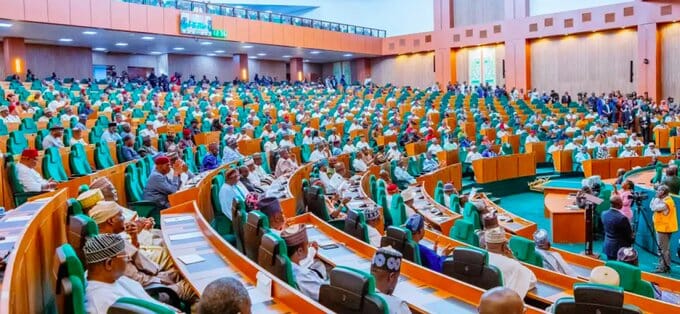
The Nigerian House of Representatives has passed the Electoral Act Amendment Bill 2025 through third reading, marking a significant milestone in electoral reform ahead of the 2027 general elections. The bill passed on Thursday with lawmakers committing to harmonize it with the Senate version by the second week of January 2026.

REPS Amend Electoral Act Overview
The House of Representatives, often referred to as REPS, has taken decisive steps to revise the Electoral Act. On December 18, 2025, lawmakers approved several clauses in the Electoral Act (Amendment) Bill 2025. This bill seeks to consolidate INEC's authority and introduce stricter measures. The goal is to prevent the irregularities that marred previous polls.
These reforms are timely, with the 2027 elections on the horizon. Lawmakers consulted stakeholders, including civil society groups and electoral experts, to shape the bill. The amendments address both administrative and legal shortcomings. They reflect a commitment to democratic improvement in Africa's most populous nation.
Gaps Exposed in Recent Elections
The 2023 elections highlighted significant vulnerabilities in Nigeria's electoral system. According to a detailed assessment by the Policy and Legal Advocacy Centre, logistical failures were rampant. These included delays in deploying election materials due to fuel shortages and transporter issues.
Voter registration processes faced conflicting timelines, leading to confusion. Sections 9(6) and 19(1) of the 2022 Act created operational hurdles. This resulted in errors that potentially disenfranchised voters. Public display of the voters' register was often inadequate, allowing for manipulation.
Political party regulations proved inadequate. Primaries generated 1,893 pre-election court cases. Disputes over candidate nominations overwhelmed the judiciary. Ambiguities in withdrawal and substitution rules enabled "placeholder" candidates, undermining transparency.
Technology deployment was a mixed bag. The Bimodal Voter Accreditation System (BVAS) improved accreditation. However, the INEC Result Viewing (IReV) portal failed on election day. This prevented timely uploads, sparking allegations of foul play. Inconsistencies in terms like "transfer" versus "transmit" fueled litigation.
Inclusion efforts fell short for marginalized groups. Provisions for persons with disabilities, such as assistive devices, were inconsistently applied. Internally displaced persons faced limited voting options. Women's and youth participation remained low, with voter turnout dropping to 26.7 percent.
Security challenges were stark. Over 101 violent incidents occurred, resulting in 74 fatalities. Enforcement of electoral offences was weak, with few prosecutions despite raised penalties. Post-election disputes burdened tribunals, with tight filing windows hindering evidence gathering.
REPS Tighten Electoral Procedures Through Amendments
To address these gaps, the REPS have introduced targeted amendments. Clauses 10 and 12 reinforce INEC's powers over election organization, supervision, and logistics. This ensures greater independence and reduces external interference.
Voter registration procedures are tightened under Clauses 18 and 22. These changes aim to prevent manipulation and expand inclusion. The voters' register will be compiled, maintained, and displayed more rigorously. This protects against errors and disenfranchisement.
Political party processes receive scrutiny. Clauses 23 and 29 clarify timelines for candidate nominations and list submissions. This enhances INEC's oversight and reduces pre-election disputes. Clauses 31, 32, and 34 address primaries, candidate particulars, and qualifications. They aim to curb irregularities and false declarations.
Addressing Gaps in Election Technology
A major focus is on technology. Clause 47(2) entrenches BVAS as the primary accreditation tool. If BVAS fails without a replacement, elections in affected units must be cancelled. A new poll is required within 24 hours if it impacts the overall result.
Clause 60(3) mandates real-time electronic transmission of results to the IReV portal. This occurs after signing and stamping form EC8A. It resolves previous ambiguities, making transmission mandatory rather than discretionary. This directly tackles the 2023 IReV glitches that eroded trust.
Clauses 50 and 54 support broader technology deployment. They provide legal backing for electronic systems in voting and accreditation. Clause 62 covers results collation, transmission, and custody to minimize disputes.
Stiffer Penalties for Electoral Offences
Electoral offences now carry harsher consequences. Returning officers declaring false results face a five-year jail term. Announcing results without proper recording attracts 10 years imprisonment. Resident Electoral Commissioners failing to release certified copies risk two years in jail.
Clauses 64 and 65 outline these penalties, including measures against vote-buying. However, lawmakers rejected a clause criminalizing vote-buying during primaries. This decision sparked debate on the bill's comprehensiveness.
Pre-election disputes are streamlined. They must be handled by the Federal High Court in the relevant state. This curbs forum shopping. Candidates providing false eligibility information face disqualification, along with their party.
Other Key Reforms and Deferred Issues
Campaign expense limits have been raised. Presidential candidates can now spend up to N10 billion, while gubernatorial limits are N3 billion. This adjustment reflects economic realities but raises concerns about equity.
Some contentious clauses were deferred. Details remain unclear, but they likely involve sensitive areas like early voting. The House Committee on Electoral Matters noted challenges with such proposals, citing implementation hurdles.
Dispute resolution timelines are addressed in Clauses 71, 73, and 74. These aim to expedite post-election legal processes. The amendments also align definitions in Clauses 3, 5, and 6 to reduce ambiguities.
Beyond these amendments, experts recommend further steps. Establish an Electoral Offences Commission for dedicated prosecutions. Conduct comprehensive INEC audits to fix logistics and technology. Promote internal party dispute resolution to ease court burdens.
Enhance inclusivity through consistent aids for PWDs and expanded IDP voting. Simplify petition appeals and differentiate timelines by constituency. Engage civil society in voter education to boost turnout.
These reforms represent progress, but sustained effort is needed. Nigeria's democracy depends on adaptive laws that prioritize fairness.
Read More
- Dangote Releases Full Breakdown of NMDPRA CEO's $5M Education Spending in Switzerland
- FG Launches Pioneering Online Platform for Gas Trading and Exchange
- Federal Government of Nigeria to Ban Cash Payments for All Federal Revenue Collections Starting 2026
- Nigeria’s World Bank Debt Hits $9.65 Billion in 2025 – Latest Official Numbers